Mexican President Claudia Sheinbaum has issued a stark appeal to the United Nations to step in and "prevent any bloodshed" in Venezuela, following a dramatic escalation of pressure from the United States under President Donald Trump.
US Military Build-up and Blockade Order
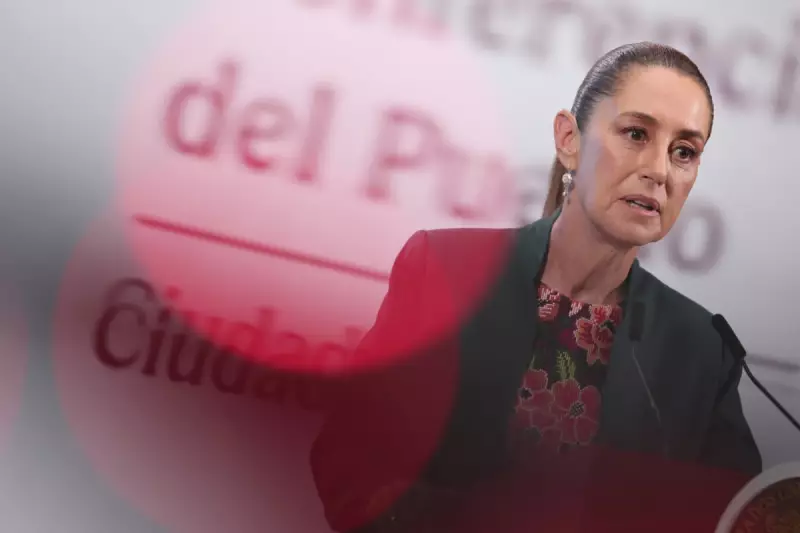
The urgent call came on 28 August 2025, just after Washington announced a new blockade targeting "sanctioned oil tankers" entering or leaving Venezuelan waters. Sheinbaum, speaking at her daily morning briefing at the Palacio Nacional in Mexico City, criticised the UN for its "conspicuous absence" and demanded it assume its role in seeking peaceful conflict resolution.
This move is part of a broader US military deployment in the Caribbean, which Washington claims is aimed at combating drug trafficking. However, the government in Caracas, led by Nicolás Maduro, views it as a campaign to oust him and seize control of Venezuela's vast oil reserves. Venezuela possesses the world's largest proven oil reserves, and despite a crippled industry, oil exports remain its primary revenue source.
International Reactions and Regional Tensions
Sheinbaum firmly rejected foreign interference, stating Mexico's constitutional position is to advocate for dialogue over intervention. "We call for dialogue and peace to be used in any international dispute, and not intervention," she asserted, offering Mexico as a potential neutral venue for talks between the US and Venezuela.
The crisis has drawn sharp international lines. China, which buys approximately 80% of Venezuela's crude oil exports, voiced strong support. Foreign Minister Wang Yi told his Venezuelan counterpart that Beijing opposes "unilateral bullying" and supports nations in safeguarding their sovereignty.
In contrast, Chile's hard-right president-elect, José Antonio Kast, declared on Tuesday his backing for efforts to end Maduro's "dictatorship", bolstering Trump's regional support. The US military presence is also growing, with personnel recently deployed to Ecuador's Pacific port city of Manta for a joint operation.
Escalating Military Actions and Human Cost
The situation is already violent. Last week, US forces seized a tanker in the Caribbean Sea carrying Venezuelan oil destined for Cuba and China. Furthermore, a controversial US campaign targeting alleged drug-smuggling vessels has intensified. Since early September, these operations in the Caribbean and eastern Pacific have resulted in the destruction of at least 26 small vessels and the deaths of at least 95 people, including eight killed in strikes on Monday alone.
With the US considering strikes on Venezuelan territory and a military blockade now in effect, Sheinbaum's warning underscores a rapidly deteriorating situation. "The entire world must ensure that there is no intervention and that there is a peaceful solution," the Mexican leader concluded, framing the crisis as a critical test for international diplomacy.