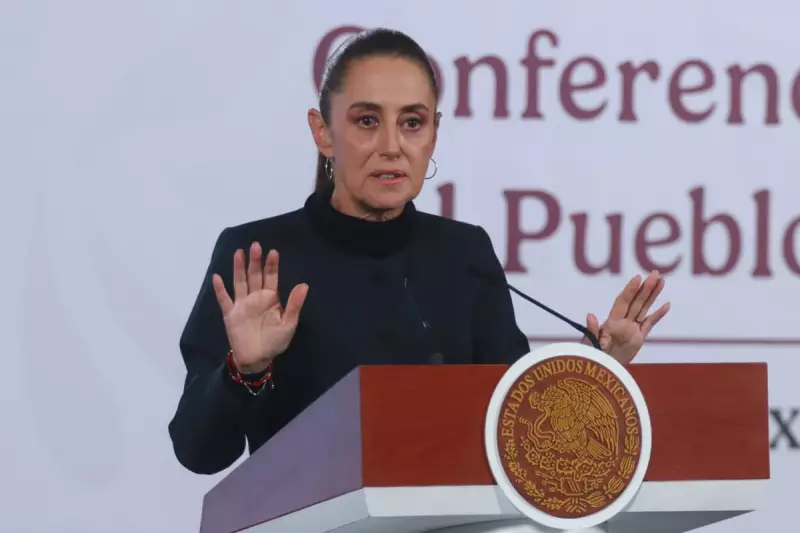
Mexican President Claudia Sheinbaum has confirmed the cancellation of a crucial oil shipment to Cuba, a move that comes amid escalating tensions with the United States and severe energy shortages on the island nation. Speaking at a press conference in Mexico City on Tuesday, Sheinbaum firmly stated that the decision was a "sovereign" one, made independently and not in response to external pressure from Washington.
Fuel Crisis in Cuba Intensifies as Supply is Cut
Cuba is currently grappling with increasingly severe blackouts due to acute fuel shortages, a situation exacerbated by recent geopolitical shifts. Mexico had emerged as the island's primary oil supplier following the United States' blockade of shipments from Venezuela last month. This cancellation threatens to deepen Cuba's energy crisis, potentially affecting millions of residents who rely on stable power for daily life and essential services.
Trump's Threats and US Pressure on Regional Allies
The decision follows a stark warning from former US President Donald Trump, who declared in a Truth Social post on 11 January that "THERE WILL BE NO MORE OIL OR MONEY GOING TO CUBA – ZERO!". This statement came after the US captured and renditioned Nicolás Maduro from Venezuela earlier this year, signalling a renewed focus on Cuba as Venezuela's longstanding ally. The Trump administration has been vocal about its opposition to oil shipments to Cuba, viewing them as support for regimes it opposes.

Reports indicate that the Mexican government had been privately reviewing whether to continue oil shipments to Cuba, fearing potential reprisals from the United States. This internal deliberation highlights the delicate balancing act Sheinbaum's administration faces in navigating international relations while maintaining domestic political stability.
Sheinbaum's Diplomatic Tightrope Walk
President Sheinbaum's response to questions about the cancellation was notably evasive regarding whether this represents a one-off incident or the beginning of a more sustained suspension of oil deliveries. She reiterated Mexico's longstanding stance against the US blockade on Cuba, stating, "Cuba has been under a blockade for too many years now. And this blockade has caused supply problems on the island. Mexico has always shown solidarity and Mexico will continue to show solidarity."
This issue is particularly fraught for Sheinbaum, who must demonstrate to the Trump administration that Mexico is a cooperative partner on trade and security matters, especially as the two nations begin renegotiating the trillion-dollar USMCA North American free trade agreement. Simultaneously, she cannot afford to alienate the left wing of her Morena party, which traditionally supports solidarity with Cuba.
Analyst Perspectives on Political Strategy
Political analyst Alexander González Ormerod offered insight into Sheinbaum's approach, noting, "Whenever Sheinbaum gives mealy-mouthed answers, it's not for lack of preparation. It's because it's probably an answer made by committee on the best way to avoid upsetting all the different constituencies within the Morena and the US-Mexico coalition." He added, "When the answer's easy, she's decisive. When it's not, she's evasive."
This analysis underscores the complex diplomatic landscape Sheinbaum navigates, where every statement must carefully balance domestic political expectations with international diplomatic pressures. The cancellation of the oil shipment represents more than just an economic decision; it is a significant political manoeuvre in a region where alliances are constantly being tested and redefined.
The situation remains fluid, with implications for energy security in Cuba, Mexico's foreign policy direction, and the broader geopolitical dynamics between North American nations. As negotiations continue and pressures mount, Sheinbaum's administration will likely face further difficult decisions regarding its international commitments and domestic political cohesion.