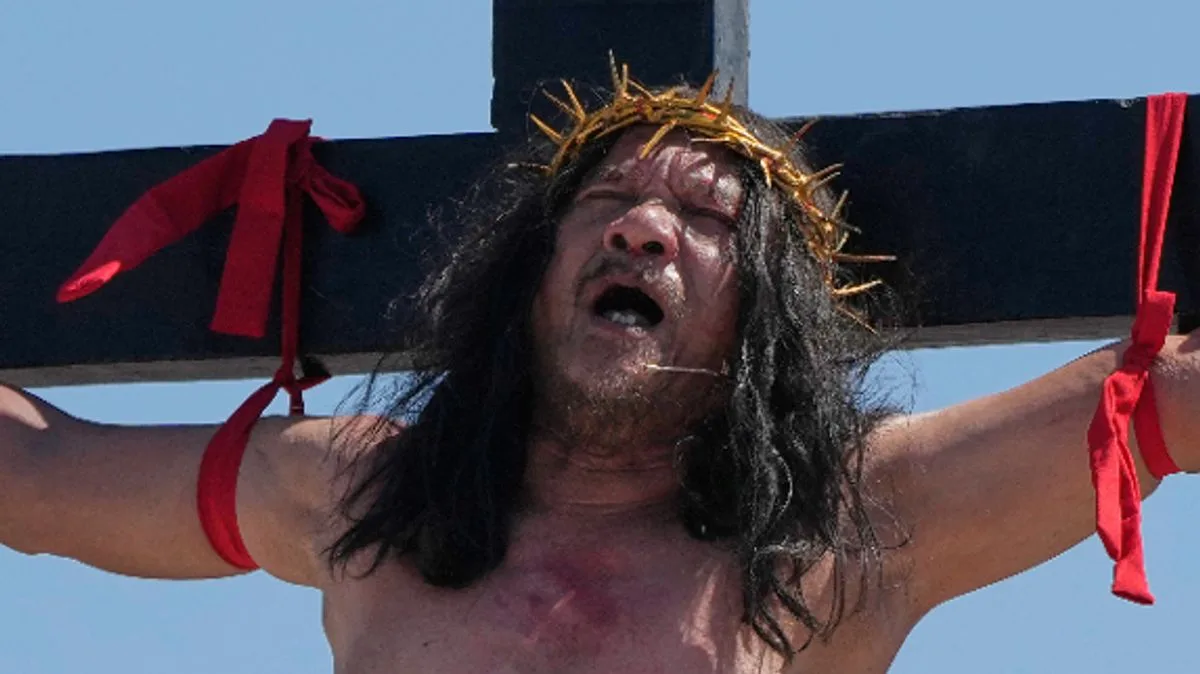
Filipino Man Ends 37-Year Crucifixion Ritual on Good Friday, Declines Whipping
Man Ends 37-Year Crucifixion Ritual, Declines Whipping

In a dramatic conclusion to a decades-long personal tradition, a Filipino man has undergone crucifixion for the final time on Good Friday, marking the end of 37 consecutive years of participation in a brutal reenactment of Jesus Christ's suffering. Ruben Enaje, a 65-year-old carpenter from San Pedro Cutud in Pampanga province, north of Manila, decided this year would be his last "sacrifice," and notably requested that village actors dressed as Roman soldiers refrain from whipping, kicking, or slapping him during the ceremony.

A Grueling Final Act

Ahead of the crucifixion, Enaje and two other devotees carried wooden crosses on their backs for half a mile in scorching heat. This year, he bore a slightly lighter cross weighing 20 kilograms, to which he was nailed for approximately ten minutes. In a departure from previous rituals, only his palms were pierced with alcohol-soaked steel nails, sparing his feet. This modification came after his wife expressed concerns about his weakened lungs, pleading with him to halt the annual spectacle.

Motivations and Celebrity Status

Enaje began the crucifixion ritual in 1986, following a miraculous survival from a fall at a construction site when he was 25. He viewed the act as a thanksgiving to God for his "second life." Over the years, the event transformed him into a village celebrity, drawing devotees to three rural communities in Pampanga to witness the grim ceremony. He admitted struggling to decline requests from villagers to pray for sick family members during the spectacle, though he had previously wavered due to his age.

Wide Pickt banner — collaborative shopping lists app for Telegram, phone mockup with grocery list

This year, Enaje voiced hopes for world peace, telling Inquirer.Net, "Only three countries are in conflict, yet they affect the whole world." He has previously raised similar issues, including the war in Ukraine, emphasizing prayers for peace to protect innocent people, especially the young and old.

Historical Context and Ritual Details

The crucifixion reenactment, part of the Senakulo tradition, has roots in the Philippines dating back to the 1940s or 1950s, post-World War II. During the ritual, participants often wear thorny crowns and carry heavy crosses over a kilometer in summer heat. Village actors hammer 4-inch stainless steel nails through their palms and feet, then hoist them on wooden crosses for about ten minutes as crowds pray and take photographs.

Enaje's commitment extended beyond his initial vow; he continued the ritual after loved ones recovered from serious illnesses and as his carpentry and sign-painting job contracts increased. Reflecting on his journey, he told Review of Religions, "It all started in 1985, when I fell from the third floor of a building and miraculously escaped death. I made a vow to God that I will make a sacrifice to pay for my second life."

As Enaje steps away from this intense tradition, his final crucifixion marks the end of an era for both him and the communities that have witnessed his devotion for nearly four decades.

Pickt after-article banner — collaborative shopping lists app with family illustration




