In an unprecedented legal and diplomatic move, ousted Venezuelan President Nicolas Maduro has made his first appearance in a United States court. The 63-year-old leader and his wife, Cilia Flores, 69, were brought before a judge at Manhattan Federal Court on Monday afternoon, facing serious narco-terrorism and weapons charges that could result in the death penalty.
From Caracas Capture to a New York Courtroom
The court proceeding, a brief but mandatory legal formality, followed a dramatic sequence of events that began with Maduro's capture. US Delta Force soldiers detained Maduro and his wife at their compound in Caracas in the early hours of Saturday, January 3rd, in what has been described as a shock military operation authorised by Washington.
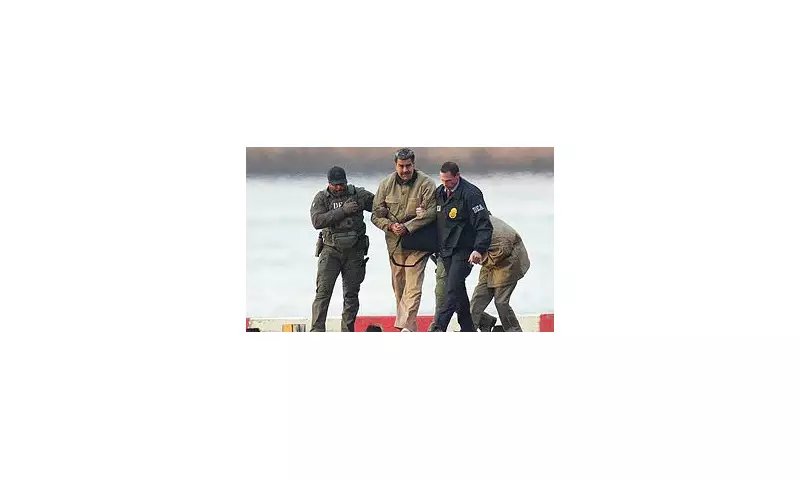
Prior to the hearing, the couple were filmed in a surreal scene, awkwardly shuffling across a helipad in New York. They had been transported from the Metropolitan Detention Center in Brooklyn to a nearby helipad, before being flown a short distance across the East River to Lower Manhattan. Maduro was reportedly dressed in standard prison attire for the transfer.

A High-Stakes Legal Battle Begins
Maduro's defence is being led by Barry J. Pollack, a Washington D.C.-based attorney renowned for his work in securing the freedom of WikiLeaks founder Julian Assange. Pollack's legal team is expected to mount a fierce challenge to the legality of the arrest, arguing that as a sovereign head of state, Maduro possesses immunity from prosecution under international law.
Insiders suggest the Trump administration's decision to act was precipitated, in part, by Maduro's perceived mockery of US threats. In the weeks leading to his capture, the Venezuelan leader was seen publicly singing and dancing to his own song, 'No War, Yes Peace', which was interpreted by some in the White House as a sign of nonchalance and a belief that the US was bluffing.
Political Fallout and a New Leader in Caracas
The political vacuum in Venezuela was swiftly filled. Just hours after Maduro's detention, the country's Supreme Court confirmed hardline socialist Vice President Delcy Rodriguez, 56, as his interim successor. Rodriguez, who has been a key figure in maintaining Maduro's power for years, immediately issued threats against former US President Donald Trump.
Interestingly, Trump has previously indicated a preference for dealing with Rodriguez over the nation's opposition leader, Maria Corina Machado, suggesting the new leader was prepared to work with the US. This development adds a complex layer to the geopolitical ramifications of Maduro's extraordinary extradition and prosecution.
The case now moves into a protracted legal phase, setting a remarkable precedent for the prosecution of a foreign head of state by the US judiciary. The world watches as the arguments over sovereignty, international law, and justice unfold in a Manhattan courtroom.