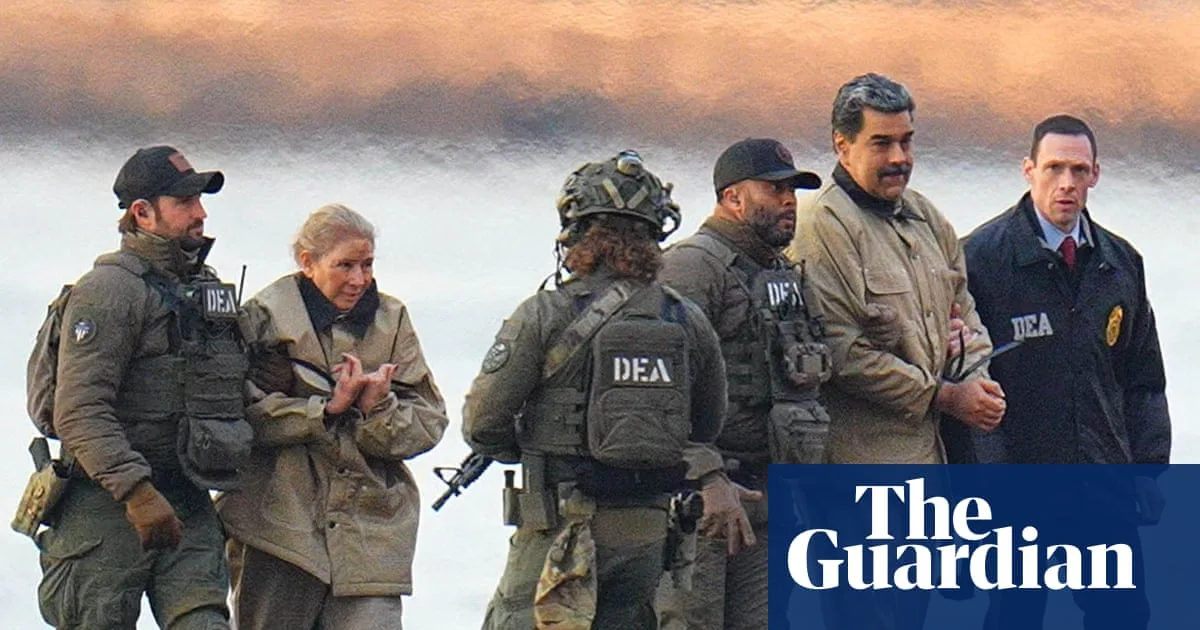
In a dramatic escalation of long-standing tensions, deposed Venezuelan president Nicolás Maduro has appeared in a federal court in Manhattan following his controversial capture by United States special forces. The operation marks a stunning physical intervention by Washington into the political crisis of the South American nation, culminating months of mounting pressure.
The Operation and Immediate Aftermath
The arrest did not occur in a vacuum. It was preceded by a sustained campaign of US pressure targeting the Maduro regime. This included military actions against vessels allegedly involved in drug trafficking, often referred to as 'narco-boats', and the imposition of blockades on Venezuelan oil tankers. These moves were designed to cripple the economic and illicit revenue streams believed to be propping up the government in Caracas.
The direct military action to detain Maduro represents a significant leap from economic and maritime pressure to a boots-on-the-ground operation. His subsequent appearance in a Manhattan court underscores the serious legal charges he faces from US prosecutors, which have long included allegations of drug trafficking and corruption.
Trump's "Running" Venezuela Claim
Following the operation, former US President Donald Trump made a bold declaration, stating that the United States is going to 'run' Venezuela. This statement has ignited intense debate and concern among analysts and regional observers. The phrasing raises critical questions about the nature and extent of future US involvement.
Does 'run' imply a direct administration of the country's affairs, the installation of a US-friendly interim government, or a prolonged period of heavy-handed political and economic oversight? Trump's comment suggests ambitions that extend far beyond the capture of a single individual, pointing towards a wholesale restructuring of Venezuelan governance under American direction.
Regional Repercussions and Future Scenarios
The implications of this event are profound. The unilateral capture of a foreign head of state, albeit one not recognised by Washington, sets a contentious precedent in international law and diplomacy. It is likely to galvanise opposition from allies of the Maduro regime, such as Russia and China, and could further destabilise the Latin American region.
Key questions now loom:
- What form will US control take, and how will it be received by the Venezuelan populace?
- How will other nations in the Americas and beyond respond to this overt intervention?
- Does this action pave the way for similar operations against other regimes labelled as adversarial by the US?
The sight of Nicolás Maduro in a New York courtroom is a powerful image, but it is merely the opening chapter in a much larger and uncertain story about power, sovereignty, and the future of a nation rich in oil yet mired in conflict.




