The extraordinary proposal for the United States to purchase Greenland, which captivated and defined part of Donald Trump's foreign policy agenda, originated not from a military strategist but from a billionaire friend with burgeoning commercial interests in the Arctic territory.
The Genesis of an Imperial Idea
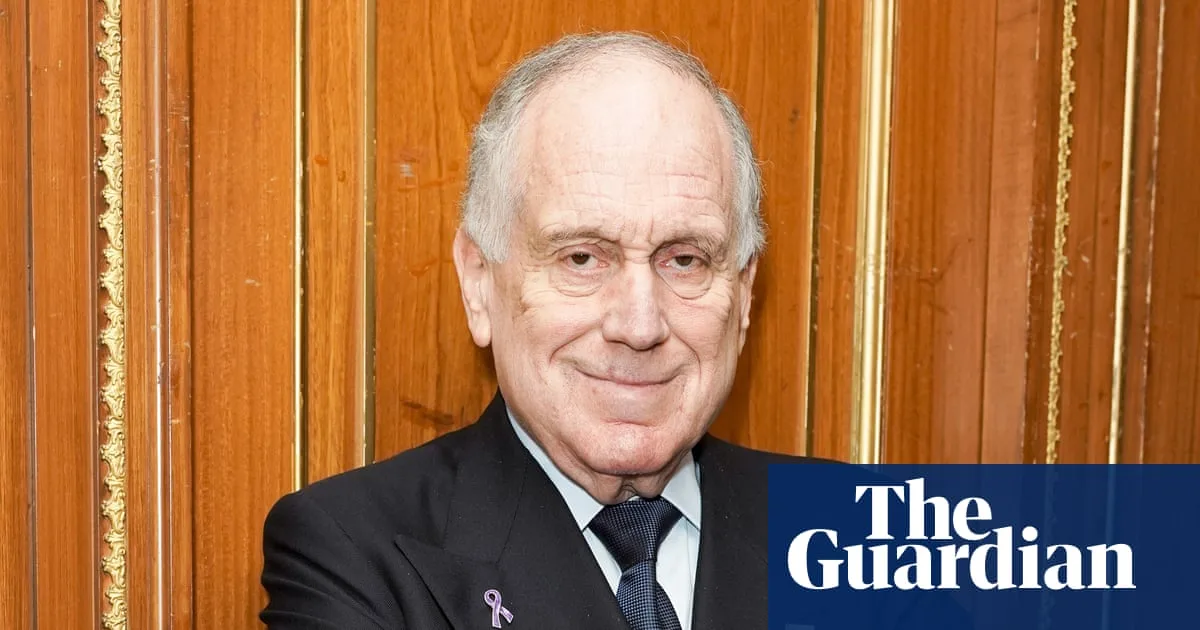
In 2018, during his first term, President Trump summoned his then-national security adviser, John Bolton, to the Oval Office. Trump revealed that a prominent businessman had just suggested the US should buy Greenland. Bolton confirmed to the Guardian that the businessman was Ronald Lauder, the heir to the Estée Lauder cosmetics fortune and a friend of Trump's for over six decades.
This intervention set in motion official White House efforts to explore ways to increase American influence in the vast Danish-controlled territory. According to Bolton, this episode typifies Trump's modus operandi: "Bits of information that he hears from friends, he takes them as truth and you can't shake his opinion." The idea, once planted, took root. Eight years later, Trump is reportedly considering not just a purchase but potentially seizing Greenland by force.
Policy and Business: A Converging Path
As with several figures in Trump's orbit, Lauder's policy advocacy appears to intersect with his personal business ventures. In the years following his 2018 suggestion, Lauder acquired commercial holdings in Greenland. Danish corporate records show a company with a New York address and undisclosed owners has recently invested in the territory.
These ventures include exporting luxury springwater from Baffin Bay and a reported project to generate hydroelectric power from Greenland's largest lake for an aluminium smelter. A local businessman involved confirmed Lauder's role, noting the investor group's "very good understanding of and access to the luxury market."
Lauder has publicly defended the strategic logic behind acquiring Greenland. In a February 2025 New York Post article, he argued, "Trump's Greenland concept was never absurd – it was strategic," pointing to rare-earth elements vital for AI and weaponry, and new maritime routes emerging from receding ice.
A Pattern of Influence: From the Arctic to Ukraine
This pattern extends beyond the Arctic. Lauder was also named in a leaked 2023 letter as part of a consortium, led by mining firm TechMet, seeking to exploit a lithium deposit in Ukraine. While Lauder stated he hadn't discussed Ukrainian minerals directly with Trump, he admitted raising the issue with stakeholders in both countries.
Subsequently, Trump became a loud proponent for the US gaining a stake in Ukraine's mineral resources. Weeks after Lauder donated $5 million to the MAGA Inc fundraising committee in March 2025, Washington and Kyiv signed a deal for the joint exploitation of Ukraine's minerals. The Lauder consortium has reportedly now won the tender for the first lithium deposit under that agreement.
The situation adds to mounting scrutiny over conflicts of interest during Trump's second term. While a Trump spokesperson has stated that neither the president nor his family engage in conflicts of interest, foreign leaders have facilitated the enrichment of his inner circle, often alongside shifts in US policy.
Lauder's relationship with Trump has weathered periods of strain, notably when Trump hosted far-right figure Nick Fuentes in 2022. Lauder, as head of the World Jewish Congress, condemned the association. However, financial and political support resumed upon Trump's return to power, evidenced by the multi-million dollar donation and attendance at a high-dollar fundraiser.
The White House, Lauder, and his Greenland business partners did not respond to requests for comment from the Guardian. As Trump recently stated, "We're going to be doing something with Greenland, either the nice way or the more difficult way," the enduring influence of a billionaire's suggestion continues to shape geopolitical ambitions.






