The Fall of Iran's Supreme Leader After Decades of Power
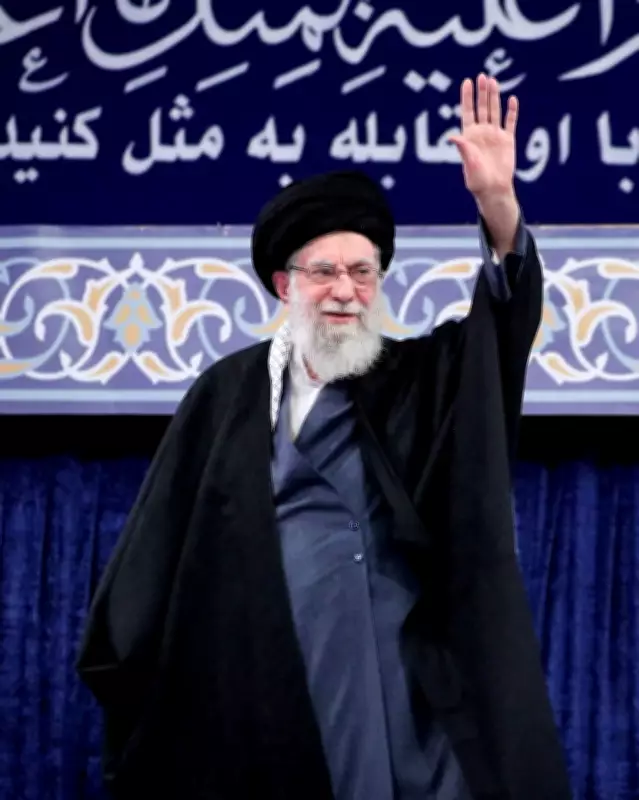
In a dramatic escalation of regional tensions, Ayatollah Ali Khamenei, Iran's supreme leader since 1989, is believed to have been killed or severely targeted during coordinated US and Israeli military strikes on Saturday. Satellite imagery reveals his secure compound in Tehran sustained heavy damage in the initial barrage, with Israeli Prime Minister Benjamin Netanyahu stating there are "many signs indicating Khamenei is no longer with us," though Iranian authorities have not officially confirmed his death.
A Confrontation Decades in the Making
The strikes represent the culmination of a long-standing adversarial relationship between Khamenei's Iran and Western powers. Back in October 2024, during his first public appearance in five years, the then-84-year-old leader delivered an uncompromising sermon at a Tehran mosque, declaring Israel "won't last long" and urging supporters to strengthen their faith against enemies. This rhetoric came amidst escalating conflicts, including Israel's assassination of Hezbollah leader Hassan Nasrallah days earlier—a personal blow to Khamenei, who had known Nasrallah for decades.
The Israeli air offensive against Iran in June 2025 further exposed vulnerabilities in Iran's air defenses and its network of Islamist militias. Although Iran launched missiles and drones in retaliation, the damage was insufficient to deter further attacks. The conflict briefly ended after former US President Donald Trump ordered strikes on Iranian nuclear sites, dealing a significant setback to a program Khamenei had deeply cherished.

From Radical Beginnings to Supreme Authority
Born in Mashhad to a minor cleric, Khamenei's political awakening occurred in the early 1960s amid Shah Mohammad Reza Pahlavi's reform efforts, which conservative clergy largely rejected. As a religious student in Qom, he immersed himself in Shia traditions and the radical ideologies of Ayatollah Ruhollah Khomeini, eventually running secret missions for the exiled leader and organizing Islamist networks.
Despite imprisonment by Iran's security services, Khamenei participated in the 1978 protests that led to the Shah's fall and Khomeini's return. Rising swiftly through the new regime's ranks, he survived a 1981 assassination attempt that left his arm disabled and was elected president. Upon Khomeini's death in 1989, constitutional changes allowed Khamenei to succeed him as supreme leader, wielding expanded powers to consolidate control over Iran's fragmented state apparatus.
Pragmatism and Repression: A Dual Strategy
Khamenei's rule was characterized by a careful balance of pragmatism and ruthless ideology. He strengthened ties with the Islamic Revolutionary Guard Corps (IRGC) while cultivating other allies, eliminating opponents and rewarding loyalty. During the 1990s, he targeted dissidents at home and abroad, reinforcing relationships with proxies like Hezbollah.
When reformist president Mohammad Khatami won office in 1997, Khamenei permitted some outreach to Washington post-9/11 but forcefully protected the regime's core ideology. He backed IRGC efforts to counter US forces in Iraq after 2003, extending Iranian influence through proxy warfare across the region—a strategy aimed at deterring Israel and the US, dubbed "Little Satan" and "Great Satan" respectively.
Although sceptical of the 2015 nuclear deal, Khamenei did not block its implementation. Analysts debate whether he restrained or encouraged hardliners seeking nuclear weapons. Domestically, he oversaw harsh repression of protests, women, LGBTQ+ individuals, and religious minorities, fueling discontent amid economic decline.
The Axis of Resistance Crumbles
Khamenei heavily invested in the "axis of resistance," including Hamas, Hezbollah, Houthis, and militias in Syria and Iraq. However, this network faltered under Israeli attacks following the Gaza war, and Iran's alliance with Syria ended with Bashar al-Assad's regime collapse in December 2025. During Saturday's strikes, Hezbollah offered only rhetorical support, highlighting Khamenei's weakened position in his final months.

Facing spiraling crises, Khamenei played for time internationally, offering concessions to avoid immediate US attacks under Trump. Domestically, however, he deployed force to crush the largest protests since the 1979 revolution. The CIA assessed that even if killed, Khamenei would likely be replaced by hardline IRGC figures committed to the 1979 revolution's ideals.
After more than three decades navigating internal pressures and external threats, Khamenei's brutal balancing act appears over. Whether dead or alive, his legacy of pragmatic yet ruthless rule leaves Iran at a pivotal crossroads, with regional stability hanging in the balance.