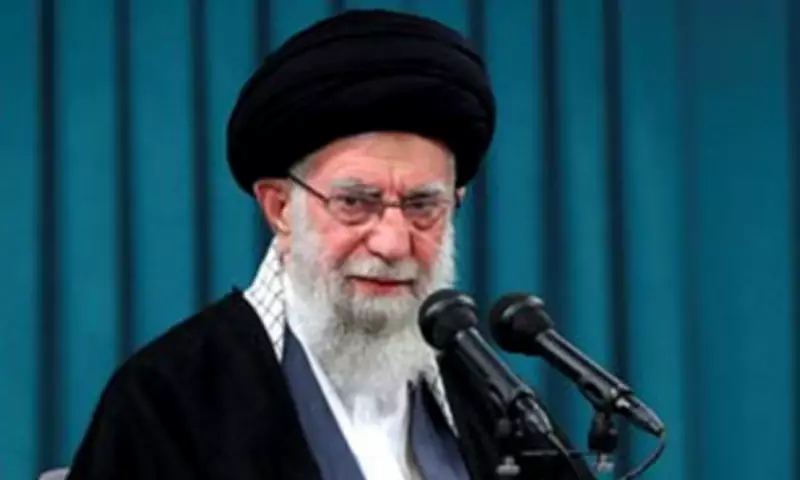
The demise of Iran's Supreme Leader, Ali Khamenei, has been confirmed following a coordinated military strike by the United States and Israel. This long-serving and controversial figure, known for his authoritarian rule, met his end in Tehran during the early hours of Saturday. While his death marks a significant moment, it does not automatically signal the collapse of the Islamic Republic, as the regime had been preparing for succession due to Khamenei's advanced age.
Implications of Khamenei's Death
Beyond the immediate removal of a key dictator, the assassination raises critical questions about Iran's future. The reported death of his son, Mojtaba Khamenei, alongside him adds complexity, as Mojtaba was widely considered a likely heir. However, without a unified and organised opposition movement or a credible leader to rally support, any successor is expected to emerge from within the existing regime structure.
Potential Successors from Within
During recent conflicts, Khamenei reportedly identified three possible successors: Gholam-Hossein Mohseni-Eje'i, the head of the judiciary; Ali Asghar Hejazi, his chief of staff; and Hassan Khomeini, the grandson of the republic's founder. All are senior clerics and regime insiders, aligning with constitutional requirements that the Supreme Leader be a cleric appointed by the Assembly of Experts.

Yet, some analysts find these names unconvincing. A more plausible candidate is Ali Larijani, Iran's national security chief, who has gained increasing influence. In recent months, Khamenei entrusted Larijani with state management, sidelining President Masoud Pezeshkian. Although Larijani is not a cleric, Iran operates more as a praetorian state dominated by the Islamic Revolutionary Guard Corps, and historical precedents, like Khamenei's own elevation despite lacking senior religious credentials, suggest rules can be bent.
Larijani's Rising Role and Risks
Larijani has overseen protest suppression, managed diplomatic relations with Russia and Qatar, handled nuclear negotiations, and prepared for confrontations with Israel and the US. His growing power makes him a high-priority target for foreign operations, and given Israel's infiltration of Iran's security, his survival is uncertain. This uncertainty could lead to strategic hedging among elite figures.
Broader Consequences and Defection Risks
Khamenei's death may trigger defections within the regime, as senior officials calculate their futures. As long as the military, particularly the Revolutionary Guards, remains loyal, the system may endure, but moments of crisis breed instability. Former US President Donald Trump has openly discussed offering incentives to insiders willing to defect, which could accelerate cracks in the regime's foundation.
Opposition Movements and Exile Figures
If defections occur, space could open for opposition movements to gain traction. One prominent figure is Crown Prince Reza Pahlavi, the exiled son of the Shah overthrown in 1979. While scepticism exists about his political skills, he has become a symbolic leader for many Iranians, with his name chanted during recent protests. He could serve as a rallying point for a transition to a more Western-aligned government.
In conclusion, Khamenei's death is not an endpoint but a potential catalyst for deeper changes in Iran. The succession process, internal defections, and opposition dynamics will shape the country's trajectory in the coming months, with implications for global diplomacy and regional stability.