Japan's Remote Kasasa Island Becomes Flashpoint in China Tensions
Kasasa Island: Japan's Remote Flashpoint in China Tensions

Remote Japanese Island of Kasasa Becomes Geopolitical Flashpoint

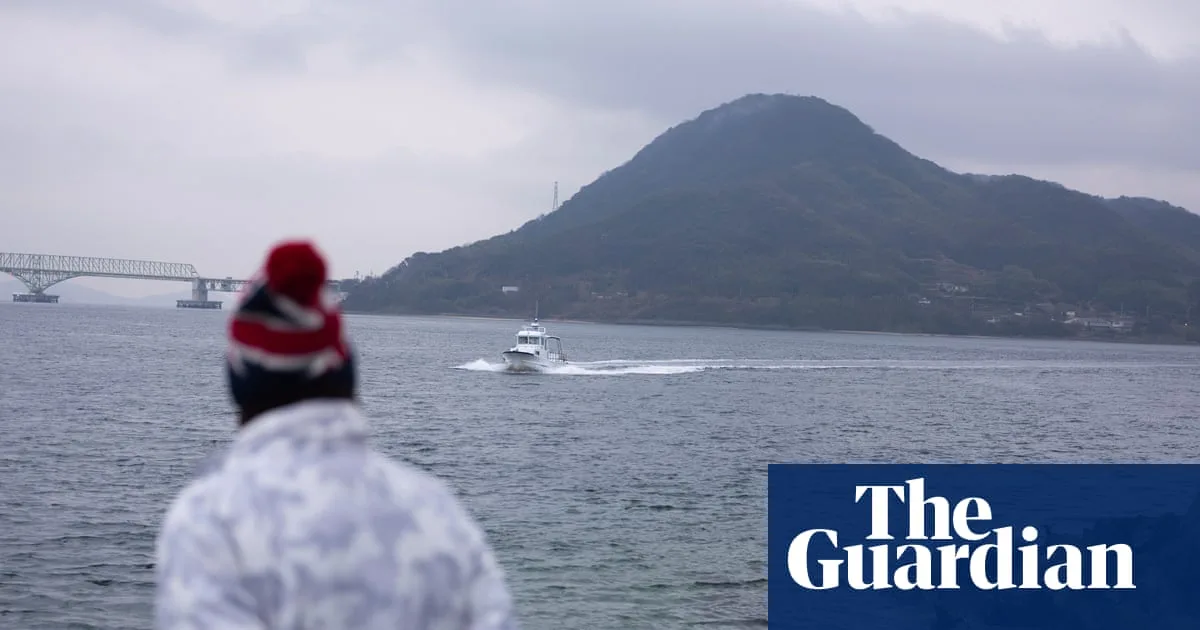
On the misty shores of Kasasa Island in Japan's Seto Inland Sea, 80-year-old Hideya Yagi stands watch in his distinctive Union Jack woolly hat. The former construction company president is one of only seven registered residents on this remote outpost, where the arrival of the daily ferry represents a rare connection to the outside world.

Kasasa, often called the "Hawaii" of Japan's inland sea for its warm climate and stunning coastline, hosts a dwindling population. Yagi and his wife Mihoko share the island with just one other couple and an elderly woman, while two other registered residents remain almost permanently absent. "You can stand on the quayside and just reel the fish in," Yagi reflects, describing the simple fishing life that drew him to Kasasa twenty-five years ago.

Strategic Location Sparks Security Concerns

Beyond its idyllic appearance, Kasasa occupies a strategically sensitive position just 20 kilometres from the Iwakuni US Marine Corps airbase and 50 kilometres north of a Japanese Maritime Self-Defence Force base in Kure. This proximity has transformed the island into an unlikely symbol of deteriorating Japan-China relations.

Wide Pickt banner — collaborative shopping lists app for Telegram, phone mockup with grocery list

The controversy began when wealthy Chinese developers purchased and began developing two plots on Kasasa's southeastern coast nearly a decade ago. While the purchases were entirely legal and approved by Japanese regulators, rumours quickly spread that the land could be used for surveillance purposes by Beijing.

Conservative councillor Takashi Ishikawa voiced widespread fears when he claimed Kasasa "could eventually become a Chinese island" and potentially serve as a drone base. "If islands in the Seto Inland Sea are bought up collectively," he warned, "it would be as if Japan were effectively being invaded."

Growing Pattern of Foreign Land Acquisition

Kasasa represents a microcosm of broader concerns about foreign land ownership in strategically important areas of Japan. According to public broadcaster NHK, Chinese investors accounted for nearly half of hundreds of land and real estate acquisitions near nationally sensitive locations in the twelve months ending March last year.

Prime Minister Sanae Takaichi has responded to these concerns by vowing to tighten regulations on land and asset sales. Her conservative administration has tapped into public unease about immigration and foreign influence, concerns that have fueled the rise of minor far-right parties like Sanseito.

The geopolitical context has grown increasingly tense following Takaichi's warning that Japanese forces could become involved militarily in any conflict over Taiwan. China responded with export restrictions on "dual-use" items to major Japanese conglomerates, a move Tokyo condemned as "completely unacceptable."

Island Residents Left in the Dark

For Kasasa's tiny population, the geopolitical storm feels both distant and immediate. "I don't care where our neighbours are from," says Yagi, "but we still don't know who these people are and what they want to do here." The Chinese investors, based in Shanghai and operating through a Japanese real estate company, have remained inaccessible despite attempts to contact them.

Development activity began in earnest late last year when mechanical diggers, cement mixers, steel telegraph poles, and high-voltage distribution lines appeared on the purchased plots. Documents suggest potential plans ranging from tourism facilities to restaurants and cruises, but residents remain uncertain about the investors' true intentions.

Mihoko Yagi voices the quiet anxiety shared by many islanders: "I'm worried about what will happen to the island's atmosphere. We're being kept in the dark. I just want to carry on with life as it is, with my husband fishing and me growing fruit and vegetables."

Preservation Efforts and Wider Backlash

The Kasasa Island Preservation Association, launched last year, has become the focal point for efforts to protect the island's way of life. "Ideally, we want to buy the land back, protect the island's environment, and persuade people to move here to live," says association member Hideki Miyagawa. The group has already repaired the island's only Shinto shrine and plans events to attract younger residents to Kasasa, where dozens of homes stand empty.

Pickt after-article banner — collaborative shopping lists app with family illustration

Similar concerns about foreign investment have emerged elsewhere in Japan. In Fukuoka, a landowner abandoned plans to build apartments for foreign buyers after resident protests, while Hokkaido authorities prevented a Chinese national from constructing a villa after unauthorized forest clearing.

Legal Experts Urge Perspective

Some experts argue that fears about foreign land ownership have been exaggerated. Hiroshi Matsuo, a professor at Keio University Law School, maintains that "existing laws are enough to prevent illegal activity, regardless of the property owner's nationality." He cautions against confusing land ownership with territorial sovereignty, noting that "foreigners and Japanese people must all follow the same rules."

Meanwhile, on Chinese social media platforms like WeChat and RedNote, some commentators have deliberately provoked Japanese nationalists, with one suggesting land purchases represent "a good investment strategy: buy land in Japan, stir up Japanese nationalistic sentiment, and then sell it back to the Japanese at a high price."

A Simple Wish for Connection

As visitors prepare to depart on the last ferry to the mainland, Hideya Yagi's thoughts return to simpler pleasures. "I would love people to come here to fish, eat and drink together and stay overnight," he says. "I don't care which country they're from. I'd just like that to happen before I die."

For now, Kasasa remains suspended between its tranquil past and an uncertain future, its crystal clear waters and rich soil sustaining a way of life that has suddenly found itself at the centre of international tensions.