Federal Judge Upholds New York's Congestion Pricing Against Trump Challenge
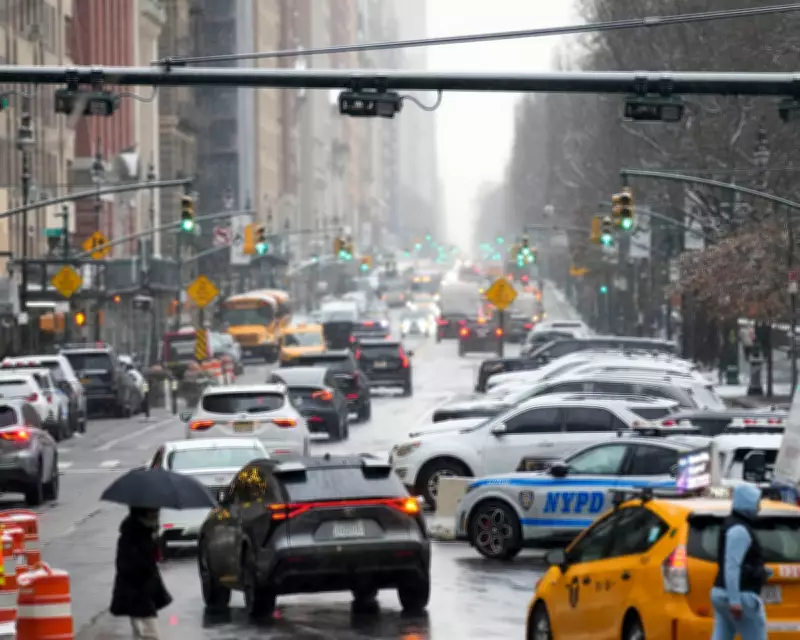
A federal judge has decisively blocked the Trump administration's efforts to halt New York City's pioneering congestion toll, which aims to curb traffic and generate revenue for the region's aging transit infrastructure. The ruling, issued by US District Judge Lewis Liman on Tuesday, affirms the legality of the $9 fee imposed on vehicles entering Manhattan south of Central Park.
Court Rejects Federal Overreach in Toll Dispute
In a comprehensive 149-page decision, Judge Liman determined that the US Department of Transportation lacked the authority to unilaterally rescind approval for the congestion toll. The judge noted that the toll was initially approved under President Joe Biden, after being passed by New York's legislature and signed into law by the governor. Liman described the department's reversal as "arbitrary and capricious" due to insufficient explanation for its actions.
The democratic process worked, Liman wrote, while acknowledging that future challenges from Donald Trump and other opponents remain possible. The toll took effect on 5 January 2025, following years of planning and adjustments, including a fee reduction from $15 to $9 by Governor Kathy Hochul in 2024.

Political and Economic Implications of the Ruling
Governor Hochul, a Democrat, hailed the court's decision as a vindication of what she called a "once-in-a-lifetime success story." In a statement, she asserted, "Donald Trump's unlawful attempts to trample on the self-governance of his home state have failed spectacularly. Congestion pricing is legal, it works, and it is here to stay." Hochul, who is up for reelection, initially paused the toll rollout over economic concerns but later championed its benefits.
The Trump administration, led by Transportation Secretary Sean Duffy, had opposed the toll, with Duffy labeling it "a slap in the face to working-class Americans and small business owners" and threatening to withhold federal funding. Trump, whose properties like Trump Tower fall within the congestion zone, campaigned against the plan. However, Judge Liman temporarily blocked these threats pending his final ruling and dismissed lawsuits from various opponents, including New Jersey's governor and local unions.
Measurable Benefits and Future Prospects
According to a recent Metropolitan Transportation Authority (MTA) report, the congestion toll has yielded significant positive outcomes in its first year. The program has resulted in approximately 27 million fewer vehicles entering central Manhattan, leading to a 22% reduction in air pollution and 23% faster commute times for drivers who pay the fee. Financially, it has generated over $550 million in revenue for the transit system, exceeding projections and supporting critical upgrades.
MTA CEO Janno Lieber emphasized, "Traffic is down, business is up, and we're making crucial investments in a transit system that moves millions of people a day. New York is winning." The agency reported increases in sales tax revenues, office leases, and foot traffic within the congestion zone, countering fears of economic harm.
This ruling solidifies New York's position as the first US city to implement congestion pricing, joining global counterparts like London and Stockholm. As legal battles may continue, the toll stands as a key policy for urban mobility and environmental sustainability.