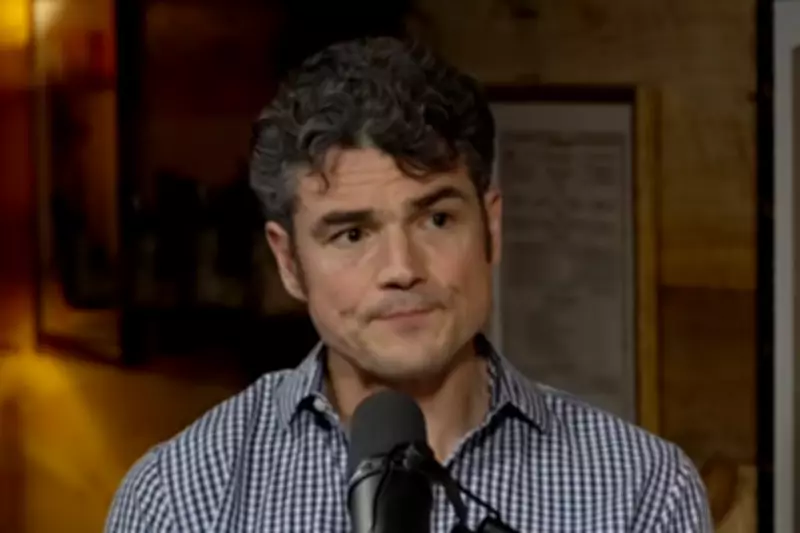
In a revealing interview, Joe Kent, the former National Counterterrorism Center Director, has disclosed that the late Turning Point co-founder Charlie Kirk issued a stark warning against "getting into a war with Iran" during their final conversation. Kent stated that Kirk directly told him in the West Wing to "stop us from getting into a war with Iran," highlighting Kirk's vocal opposition to military conflict with Iran.
Kent's Resignation and Claims
Kent resigned from his position on 17 March, citing his inability to support the United States' escalating tensions and potential war with Iran. He elaborated that Kirk's warning was a pivotal moment, urging the administration to reconsider its relationship with Israel as part of a broader strategy to avoid conflict. According to Kent, Kirk emphasized the risks and consequences of engaging in war with Iran, framing it as a critical issue for national security and diplomatic stability.
Interview with Tucker Carlson
These claims were made public during an exclusive interview with Tucker Carlson, where Kent detailed the conversation and its impact on his decision to step down. Kent described Kirk as a steadfast opponent of war with Iran, advocating for alternative approaches to foreign policy. The interview shed light on internal discussions within the administration, suggesting differing viewpoints on how to handle Iran-related matters.

Implications for US Policy
Kent's revelations raise questions about the direction of US foreign policy and the influence of key figures like Kirk. By sharing this final warning, Kent aims to underscore the importance of diplomatic solutions over military action. The claims also highlight ongoing debates within political circles regarding America's stance on Iran and its alliances, particularly with Israel.
This account adds a new dimension to public understanding of the events leading up to Kent's resignation and the broader geopolitical landscape. It serves as a reminder of the complex interplay between personal convictions and official duties in high-stakes government roles.