Israeli Airstrike Kills Iranian Supreme Leader in Devastating Tehran Attack
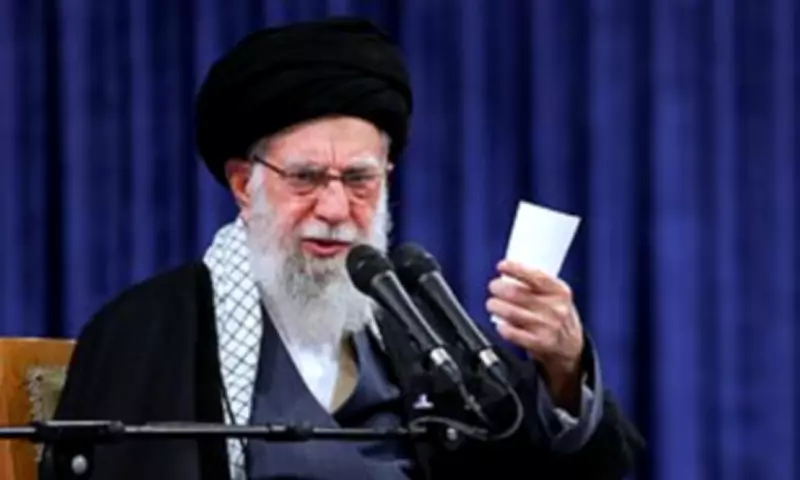
In a dramatic escalation of regional tensions, dozens of Israeli bombs obliterated what the Israeli Defense Force described as the headquarters of the Iranian terror regime in a devastating airstrike in Tehran. The strike resulted in the confirmed death of Ayatollah Ali Khamenei, Iran's Supreme Leader, marking a pivotal moment in the ongoing conflict.
Confirmed Death and Immediate Aftermath
Iran formally confirmed that Khamenei was killed in his home office yesterday, with an Iranian news agency stating, To Allah we belong and to Him we shall return. Video footage shows multiple explosions in two buildings in Iran's capital, with smoke billowing in the aftermath. The IDF posted on social media, sharing what they called the first footage from the Air Force's extensive raid in the heart of Tehran, including the final moments of the destruction.
Alongside Khamenei, the airstrike claimed the lives of two high-level military leaders: Rear Adm. Ali Shamkhani and Maj. Gen. Mohammad Pakpour, commander of the IRGC. Additionally, four of Khamenei's close family members were killed in the attacks on Saturday morning. Reports indicate that Israeli Prime Minister Benjamin Netanyahu and US President Donald Trump were shown an image of Khamenei's body after its recovery from his compound.

Regional Escalation and Retaliatory Strikes
Iran has branded the killing of their leader as a declaration of war against Muslims, and the conflict has rapidly intensified. Bombs continue to rain down on Iran this morning following joint US and Israeli attacks that began on Saturday. In response, the Islamic Revolutionary Guard Corps announced they had attacked nearly 30 US military bases across the Middle East on Sunday morning, part of what they call their most intense offensive operation in history in retaliation for Khamenei's death.
Israel announced in the early hours of Sunday that it had begun a new strike wave targeting Iran's ballistic missiles and aerial defence systems. This came after Iran launched drones and missiles at Tel Aviv, which were intercepted and shot down. The IRGC responded with a sixth wave of extensive missile and drone attacks on 27 US military bases, though the extent of the damage remains unclear.
Widespread Impact Across the Middle East
The conflict has spread across the region, with significant incidents reported in multiple countries:
- Residents of Riyadh, Saudi Arabia, reported hearing loud explosions and seeing smoke rising from the city.
- In Dubai, Iranian suicide drones hit landmark hotels, including the iconic sail-shaped Burj Al Arab and the Palm Jumeirah, sparking panic among tourists. A fire broke out at the Burj Al Arab after debris smashed into it.
- The UAE's Ministry of Defence stated that 137 ballistic missiles were launched by Iran towards the Emirates, with 132 destroyed by air defences and five falling into the Persian Gulf. Additionally, 209 suicide drones were targeted, with 195 intercepted and 14 hitting territory.
- Explosions have been heard for a second day in Qatar, Israel, Bahrain, Kuwait, Iraq, and for the first time in Oman, though most missiles and drones have been downed by air defences.
- Iran launched two missiles towards Cyprus, which hosts British military bases, as revealed by UK Defence Secretary John Healey.
Donald Trump has promised to strike Iran with a force that has never been seen before, further heightening tensions. As smoke rises from Dubai International Airport and blasts echo across regional states, the situation remains volatile, with the potential for continued escalation in this unprecedented Middle East conflict.