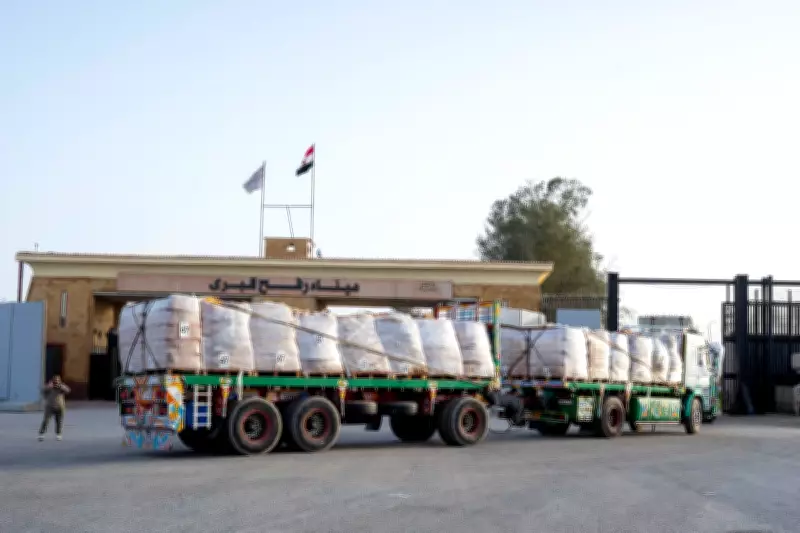
In a significant development for regional diplomacy and humanitarian access, Israel has confirmed it will reopen the Rafah border crossing between Gaza and Egypt this Sunday. This decision marks the end of a closure that has lasted for nearly two years, severely restricting movement for Palestinians in and out of the territory.
A Step Forward for Ceasefire Efforts
The reopening of the Rafah crossing, which serves as Gaza's primary gateway to the outside world, is seen as a crucial component of US President Donald Trump's Gaza ceasefire plan. The crossing has been largely sealed since May 2024, contributing to the isolation of the Gaza Strip amid ongoing conflicts.
Coordinated Security Measures
According to a statement released on Friday by COGAT, the Israeli military body responsible for coordinating aid to Gaza, the reopening will permit "limited movement of people only." Both Israel and Egypt will implement vetting procedures for all individuals seeking to exit or enter through the crossing.

European Union border patrol agents will supervise the operations at Rafah, ensuring compliance with international standards. Additionally, Palestinians who departed Gaza during the recent hostilities will be allowed to return, provided they obtain Israeli security clearance.
Catalyst for the Decision
Israel had previously resisted reopening the crossing, citing security concerns. However, the recovery of the remains of the last hostage in Gaza on Monday removed a key obstacle, paving the way for this humanitarian and diplomatic breakthrough.
The announcement, made via the Associated Press news wire on Friday, 30 January 2026, underscores the delicate balance between security imperatives and the urgent need for improved civilian mobility in the region.