The Iranian state has once again responded to internal revolt with overwhelming force, deploying brutal repression to silence widespread protests. This has left the country's opposition movement grieving, bruised, and deeply divided over its future strategy and leadership.
A Society Traumatised by State Violence
According to observers, the scale of the recent crackdown is unprecedented in recent decades. Arash Azizi, author of 'What Iranians Want', describes the impact as "disastrous and numbing," noting it represents the most brutal actions by the Islamic Republic since the 1980s. The violence was compounded by a weeklong communications blackout, making collective mourning and organisation nearly impossible inside the country.
The initial, more conciliatory tone from the reformist president, Masoud Pezeshkian, who took office in 2023, proved hollow. His promises to listen to legitimate grievances were quickly superseded, demonstrating that reformist figures lack the power to control Iran's powerful security apparatus or counter the directives of Supreme Leader Ayatollah Ali Khamenei.

The Pahlavi Paradox: A Figurehead or a Leader?
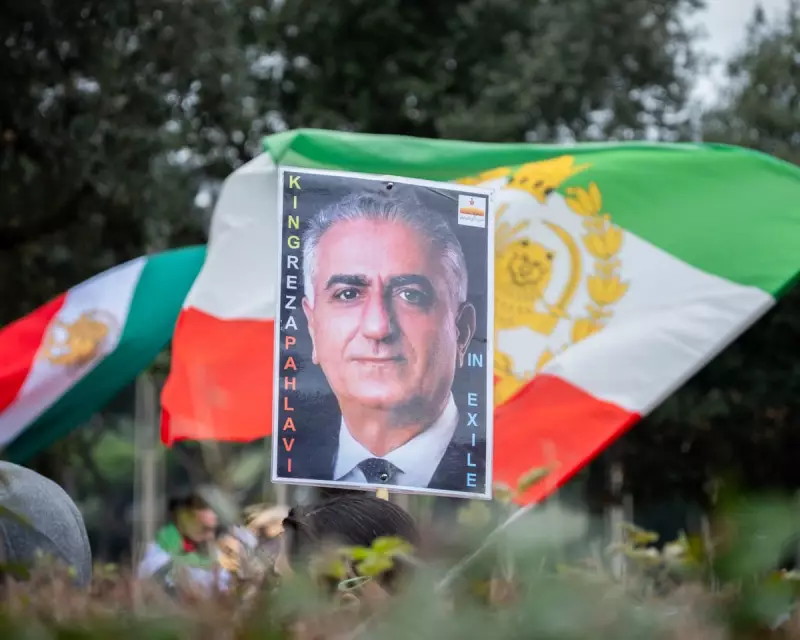
The crackdown has intensified scrutiny on the exiled figure of Reza Pahlavi, the 65-year-old son of the former Shah. Chants for the return of the monarchy featured in the protests, though analysts debate the depth and meaning of this support. For many younger Iranians, Pahlavi represents a blank page—a symbol of an alternative to the current regime rather than a detailed political programme.
However, Pahlavi now faces a significant credibility crisis. He urged people to protest and called for strikes that largely failed to materialise. He also hinted at potential foreign intervention, particularly from the US under Donald Trump, which never arrived. Critics argue he had no concrete plan to support those who heeded his call to take to the streets.
His alliances have also drawn criticism. Pahlavi courted Israeli Prime Minister Benjamin Netanyahu, visiting Israel in 2023, but Israeli officials have since expressed scepticism about his leadership credentials. Some of his staunchest online supporters espouse vengeful, right-wing views, highlighting the deep fractures within the exile community.
A Fractured Opposition with an Uncertain Future
The opposition, both inside and outside Iran, remains fragmented. Past attempts to build broad coalitions, such as the National Council of Iran for Free Elections or the group formed during the 'Woman, Life, Freedom' movement, have struggled with internal disputes. The perennial challenge of uniting disparate groups into a cohesive force endures.
Pahlavi's own stated role is ambiguous. He often presents himself as a neutral broker for a democratic transition, yet at times his aides act as if he aspires to a more monarchical position. His statement to CBS on 12 January that "this is a war and war has casualties" in response to questions about his responsibility for protester deaths was seen by some as callous.
As the influence of exiled figures wanes, some analysts believe moral authority may shift to imprisoned dissidents inside Iran, such as Nobel laureate Narges Mohammadi. The future now demands that opponents of the regime construct a credible, serious alternative—a task at which they have so far consistently failed. The battle for Iran's future continues, but the path forward for its people remains fraught and unclear.