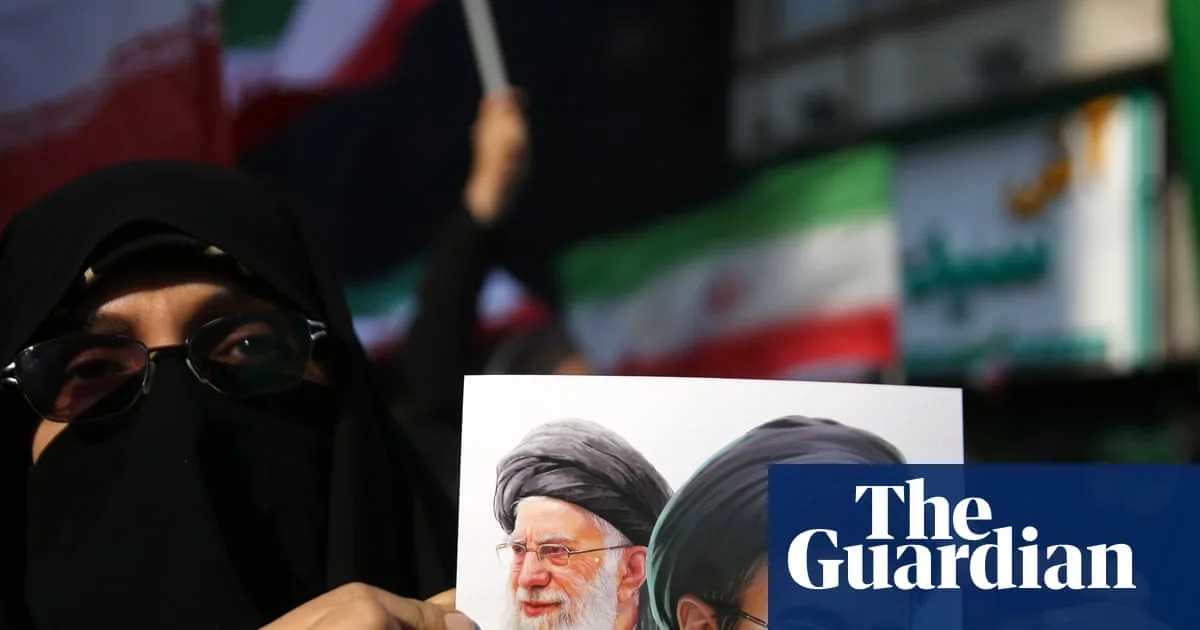
Mojtaba Khamenei has succeeded his father as Iran’s supreme leader, injecting a new unpredictable element into the Middle East crisis. Unknown to Washington and a figure of deep obscurity to ordinary Iranians, his elevation was greeted by crowds chanting: “God’s hand is still upon us, Khamenei is still our leader.”
Before his catapult to power following his father’s assassination, Mojtaba lived the life of a backroom bureaucrat, acting as “the path to access to his father” according to a 2007 US diplomatic cable. There is only one video of him speaking in public, and no substantive interview marking out his views. As deputy chief of staff in the supreme leader’s office for two decades, he has long been the candidate of the Revolutionary Guards (IRGC).
The IRGC overcame many obstacles to ensure their candidate took the helm, fending off attempts to delay his appointment. Ali Larijani, secretary of the supreme national security council, advised that a new inexperienced leader in wartime was a risk. Others in the supreme leader’s office who opposed Mojtaba’s elevation were killed in Israeli airstrikes.
Doubts over his health, religious qualifications, and the hereditary principle were also addressed. The bombing of the supreme leader’s compound on 28 February killed his mother, wife, and a son, among other relatives. To fix a “qualification gap”, the Assembly of Experts fast-tracked his credentials, allowing some seminary media to use the title “Ayatollah”.
The biggest obstacle was that he was the supreme leader’s son, as the republic came into being in contradistinction to dynastic rule. Complex theological arguments were produced to overrule objections to inherited power. The assembly met under the risk of Israeli war planes, with the bombing of its secretariat offices in Qom killing several staff members.