US Intelligence Reveals Iran's New Leader's Private Medical Treatment in London
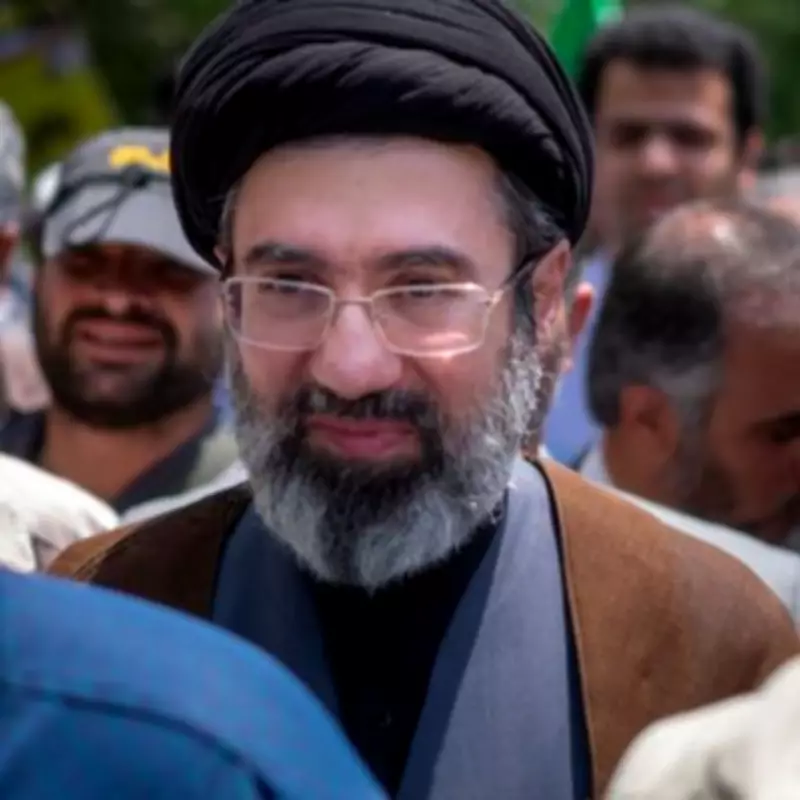
According to a classified US intelligence briefing, Mojtaba Khamenei, the 56-year-old son of the late Supreme Leader Ali Khamenei, received treatment for impotency at private hospitals in London. The document, originally sent by the US State Department to the US Embassy in London in 2008 and later released by WikiLeaks, details multiple medical visits.
Succession and Medical History
Mojtaba Khamenei is reported to have been chosen by Iran's Assembly of Experts as the successor to his father, Ayatollah Ali Khamenei, who was killed in an Israeli strike in Tehran. The intelligence report states that Mojtaba faced significant family pressure to produce heirs after struggling to conceive a child with his wife.
He underwent treatment four times at London's Wellington and Cromwell Hospitals specifically for "impotency," according to the leaked document. The report notes that Mojtaba married relatively late in 2004, "reportedly due to an impotency problem treated and eventually resolved during three extended visits to the UK."

Family Expectations and Outcome
The document further explains that Mojtaba was expected by his family to have children quickly but required a fourth visit to the UK for additional medical treatment. After a two-month stay, his wife became pregnant, and they later had a healthy boy named Ali, after his paternal grandfather.
Within the Supreme Leader's office, Mojtaba has worked closely with his father, controlling access to him and traveling with him throughout Iran. The intelligence describes him as "widely viewed within the regime as a capable and forceful leader and manager who may someday succeed to at least a share of national leadership."
Political Context and Challenges
Mojtaba Khamenei is the second eldest son of Ayatollah Ali Khamenei. While not a senior cleric, he maintains strong connections with the Islamic Revolutionary Guard Corps (IRGC). In 2019, the US sanctioned him for collaborating closely with IRGC commanders to advance his father's regional and domestic policies.
Recent reports indicate that Mojtaba was elected Supreme Leader by Iran's Assembly of Experts under pressure from the IRGC, with Israeli officials anticipating his formal appointment. However, his succession faces potential challenges.
The Middle East Institute highlighted in 2022 that the concept of a hereditary supreme leader contradicts Shia Islamic convention, which reserves blood lineage for the 12 divinely ordained Shia imams. The institute warned that such a move could provoke uproar across Shia seminaries and among factions of Iran's political elite after Ali Khamenei's death.
Despite these obstacles, Mojtaba's role within the regime and his medical history, as revealed by US intelligence, add layers to the complex narrative of Iran's leadership transition.