Iran's Supreme Leader Allegedly Wounded and Disfigured, US Claims
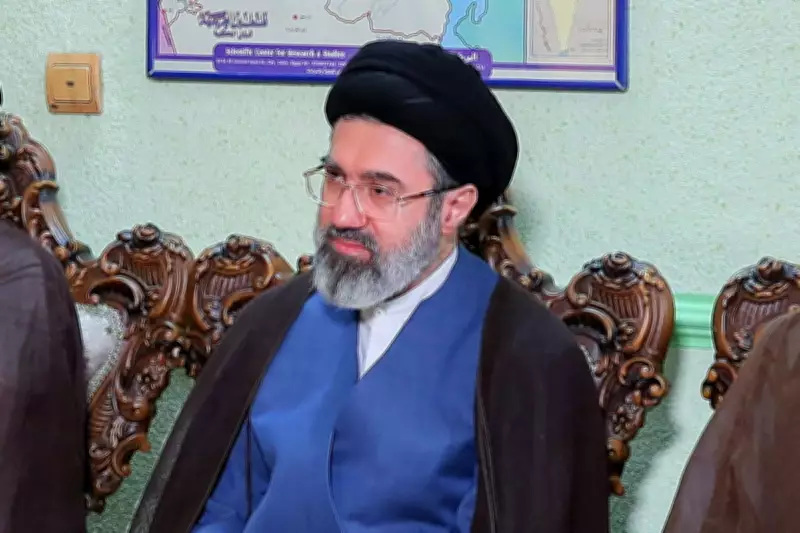
US Defense Secretary Pete Hegseth has publicly asserted that the new Iranian supreme leader, Mojtaba Khamenei, is "wounded and likely disfigured." This statement was made during a Friday news briefing, where Hegseth provided insights into the condition of Iran's leadership amid ongoing tensions.
Details of the Alleged Injury
Khamenei was reportedly injured at the outset of the conflict between Iran and the United States, but the extent of his injuries has remained unclear until now. On Thursday, Iranian state television broadcast a written statement it claimed was from Khamenei, calling for unity. However, he has not appeared in public since being selected to replace his father, who was killed in U.S.-Israeli air strikes at the war's beginning.
Hegseth questioned the authenticity and circumstances of this statement, noting, "There was no voice and there was no video. It was a written statement he called for unity. Apparently killing tens of thousands of protesters is his kind of community. Iran has plenty of cameras and plenty of voice recorders. Why a written statement? I think you know why. His father dead, he's scared. He's injured."

US Assessment of Iran's Leadership
During the briefing, Hegseth characterized Iran's leadership as being in poor shape, stating, "Iran's leadership is in no better shape, desperate and hiding. They've gone underground." This assessment suggests a significant weakening of Iran's political structure, with the supreme leader's absence from public view fueling speculation about his health and ability to govern.
Additional Context from the Briefing
At the same event, Chairman of the Joint Chiefs of Staff General Dan Caine addressed the tragic deaths of four US service members in a military plane crash in Iraq. He expressed condolences, stating, "Please keep these brave Airmen, their families, friends and units, in your thoughts." This incident underscores the broader military engagements and risks involved in the region.
Broader Implications
The allegations regarding Khamenei's condition could have profound implications for Iran's internal stability and its ongoing conflict with the United States. If true, it may signal a power vacuum or increased vulnerability within Iran's leadership, potentially affecting diplomatic and military strategies moving forward. The US claims add a new layer of complexity to the already volatile situation in the Middle East.