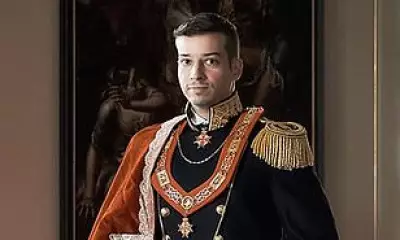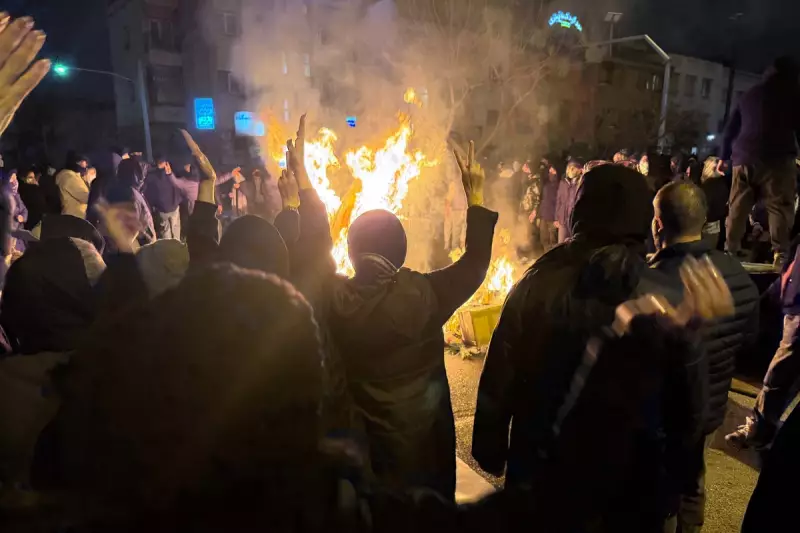
Iran's exiled crown prince has issued a stark new appeal, declaring that the "slaughter" of anti-regime protesters has not ceased and accusing Tehran's authorities of killing one demonstrator "every 14 seconds".
An Exiled Leader's Urgent Plea
Reza Pahlavi, the son of Iran's last Shah, stated that the Islamic Republic "will fall soon" and called for decisive international backing for the Iranian people. His comments, made on Friday 16 January 2026, come amidst what has been described as some of the most widespread unrest since the 1979 revolution.
"The Iranian people are taking decisive action on the ground. It is now time for the international community to join them fully," Pahlavi asserted. He vowed to return to Iran, claiming he is "uniquely positioned to ensure a stable transition" away from the current regime.

Military Moves and Contradictory Claims
The prince's appeal coincides with a significant US military deployment. Satellite data shows the nuclear-powered USS Abraham Lincoln aircraft carrier strike group has moved west from the Indo-Pacific into the Middle East. The group includes fighter jets, guided missile destroyers, and an attack submarine.
This show of force follows warnings from the Trump administration of "grave consequences" for further bloodshed in Iran. The death toll from the regime's heavy-handed crackdown is believed to have surpassed 2,500, though Pahlavi claims the figure is as high as 12,000 since the protests began late last month.
While President Trump stated he had received assurances that 800 scheduled executions were halted, White House spokesperson Karoline Leavitt confirmed the President is keeping "all of his options on the table".
Blackouts, Executions, and a Fragile Calm
Information from Iran remains scarce due to a severe internet and phone blackout imposed by the regime, though this has been partially relaxed in recent days. The protests, which started over economic grievances, appear to have receded, largely because of this digital shutdown and an overwhelming security presence.
Fears of mass executions persist. Human rights group Hengaw named 26-year-old Erfan Soltani as the first protester scheduled for execution. Iran's judiciary denied this, stating he faced charges of "colluding against national security" and "propaganda," which are not punishable by death.
Residents of Tehran reported the capital had been quiet since Sunday, with drones flying overhead. However, sporadic incidents continue. Hengaw reported a female nurse was killed by direct gunfire from government forces in Karaj, and state media acknowledged rioters had set fire to a government office in Isfahan Province.
One harrowing account from a Tehran woman, speaking to Reuters by phone, detailed how her 15-year-old daughter was killed by Basij security forces after joining a demonstration. "She was not a terrorist, not a rioter," the mother said.
As the exiled prince pleads for global intervention and the US military posture intensifies, the situation in Iran remains poised between a fragile, enforced calm and the potential for renewed, bloody confrontation.