Iran Issues £50,000 Bounty for US Pilot After Downing Fighter Jet
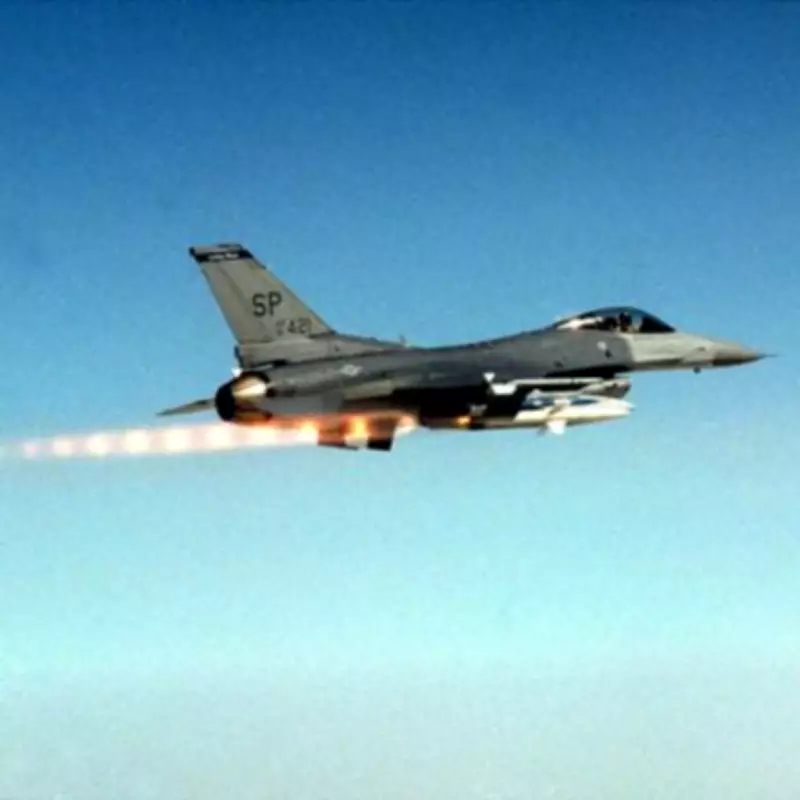
In a dramatic escalation of hostilities, Iranian officials have announced a substantial reward of £50,000 for any citizen who captures the pilot of a downed US F-15 Strike Eagle fighter jet. This development follows the shooting down of the American aircraft by Iranian forces, with one crew member still missing as of yesterday.
Details of the Incident and Search Operation
The F-15-E Strike Eagle was shot down in a recent military engagement, marking the first US aircraft to be downed since the conflict began on February 28. While one crew member has been successfully rescued by US forces, a second remains unaccounted for, prompting a major search operation in the region.
Tehran has also claimed to have downed an A-10 Warthog attack aircraft, although US sources confirm that pilot was rescued from the Gulf, adding a layer of complexity to the unfolding events.

Significance of the Bounty in Iran's Economic Context
The bounty, equivalent to 10 billion Iranian tomans, is a staggering sum that dwarfs the average monthly salary of £150 in Iran. This massive reward has already attracted bounty hunters, as evidenced by video footage showing armed groups scouring rocky mountains in southern Iran while waving pro-regime flags.
In the footage, a voice can be heard stating, "God willing, we will find him." The governor of Kohgiluyeh and Boyer-Ahmad province emphasized that the priority is capturing any downed US crew members "alive", highlighting the tense and volatile nature of the situation.
Historical Context and Political Reactions
This incident represents the first US aircraft shot down in combat since the 2003 Iraq invasion, occurring just days after former President Donald Trump asserted that American forces had "beaten and completely decimated Iran." When questioned about the impact on ceasefire negotiations, Trump responded, "No, it's war. We're in war." He expressed hope that the missing airman would not be captured, stating, "we hope that's not going to happen."
Stalled Peace Talks and Regional Implications
Peace talks between Iran and the US, aimed at reopening the Strait of Hormuz, have reportedly reached a "dead end". Tehran has refused to attend scheduled talks in Pakistan next week, further complicating diplomatic efforts to de-escalate the conflict. This refusal underscores the deepening rift and the challenges in achieving a peaceful resolution.
The combination of military actions, bounties, and stalled negotiations paints a grim picture of the ongoing tensions, with significant implications for regional stability and international relations.