Iranians Turn on Trump as War Destroys Infrastructure and Culture
After years of brutal repression under Iran's hardline regime, many anti-government citizens initially welcomed Donald Trump's promise of American rescue. Now, following two weeks of devastating US-Israeli airstrikes that have killed hundreds and destroyed civilian infrastructure, that hope has turned to bitter disillusionment.
From Hope to Horror
"They are also lying! Like the regime has been lying to us," said Amir, a student at the University of Tehran who requested anonymity. "You are all worse than each other." His sentiment reflects a growing shift among some Iranians who once believed foreign intervention might liberate them from oppression.
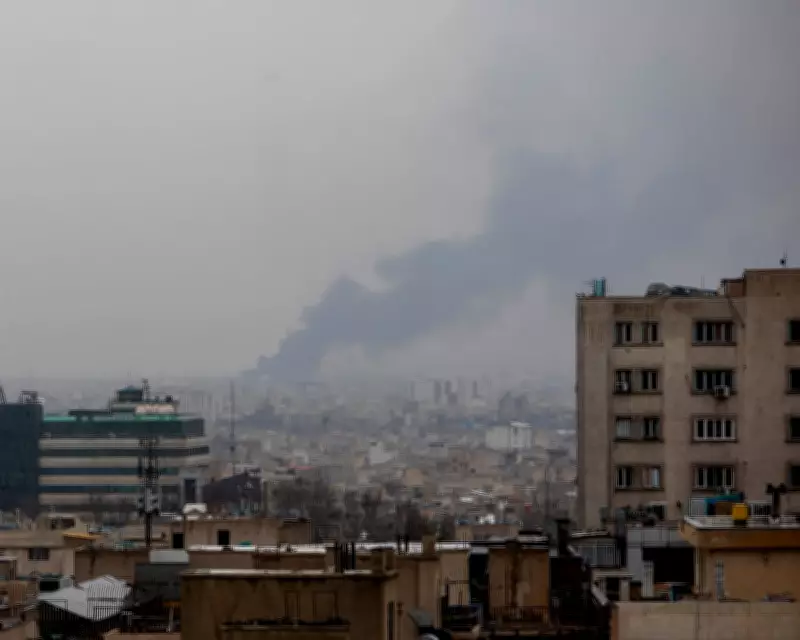
The turning point came with attacks on critical infrastructure like the Shahran oil depot in Tehran, which created toxic rain that coated the city. "I genuinely believe now they didn't have a plan," Amir explained. "The Shahran attack changed the way I look at this war. If the regime is what you want to hit, where do you draw the line? What about us, the ordinary Iranians?"

Cultural Heritage in Ruins
The destruction extends beyond practical infrastructure to Iran's priceless cultural heritage. Historical sites including Tehran's 14th-century Golestan Palace and Isfahan's 17th-century Chehel Sotoon Palace have suffered significant damage from the bombardment.
"How will they rebuild a priceless part of history?" asked another Tehran student. "And how will we bring back people who are dying? Is the message from abroad that just because the regime doesn't care, the world shouldn't? Is the goal to erase our culture and history?"
Living Under Constant Threat
Residents describe experiencing attacks resembling carpet bombing, with sequential strikes hitting multiple neighborhoods in Tehran's city center. One witness reported "something resembling the idea of carpet bombing" that left several areas devastated in wave-like attacks.
The psychological toll is immense. "We're tense. We are really tense," said Amir. "Khamenei's death has left us with this weird sense of emptiness. Like I am now forced to think about the future, which seems so chaotic right now."
Historical Context of Resistance
Most Iranians have lived their entire lives under the regime that replaced the monarchy in 1979's revolution. Despite severe restrictions on dissent and media, protest movements have periodically erupted over political disputes, economic crises, and human rights violations.
The recent Woman, Life, Freedom movement, sparked by Mahsa Amini's death in custody over hijab regulations, represented one of the most powerful uprisings. Previous protests in 2009's Green movement and late 2023's economic demonstrations were met with deadly state crackdowns that killed thousands.
Divided Perspectives on Intervention
Some still hold out hope that the conflict might bring meaningful change. An Iranian doctor who treated protesters for gunshot wounds in January said, "What we fear most is the war stopping now in its current stage. Then we'll be left with the same people who massacred us last month... only stronger."
But many anti-regime Iranians now believe three governments—Iran's regime plus the US and Israel—are killing Iranian civilians. Reports of newborn babies killed in strikes have particularly hardened attitudes against foreign intervention.
"A significant portion of the people I've been speaking to, after witnessing the killing of civilians, have altered their perception of military intervention," explained a Tehran protester. The sentiment echoes widely: Iranians feel "well and truly abandoned" by all sides in a conflict that has brought destruction without liberation.