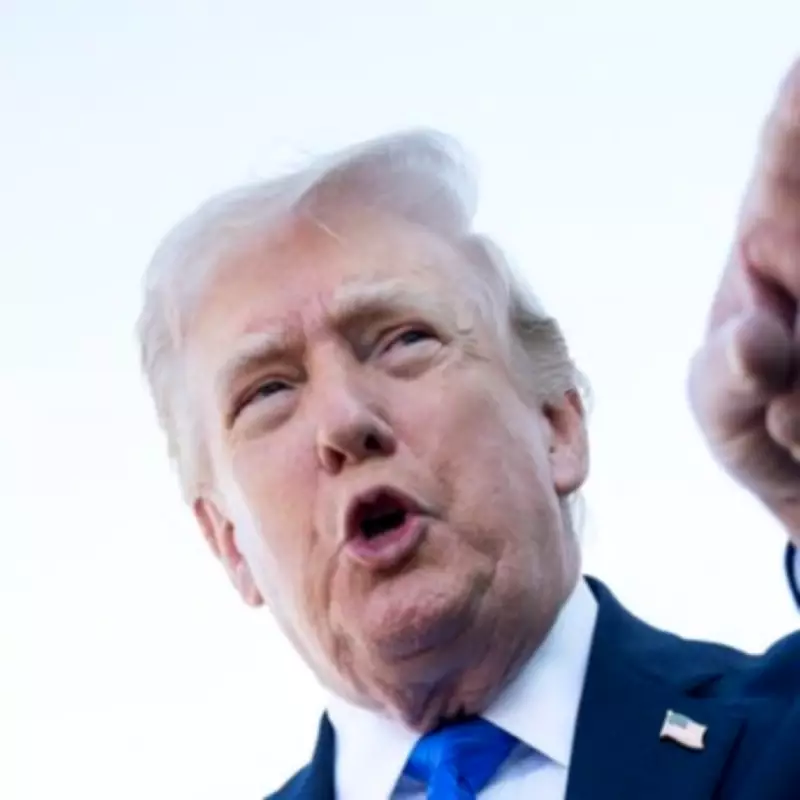
Iranian citizens have voiced strong criticism of US President Donald Trump, with some describing his recent social media posts as driving them "crazy," as they implore him to avoid further military actions against the nation's energy supply networks. This outcry follows Trump's announcement to temporarily halt strikes on Iranian power plants and related infrastructure, a move tied to ongoing diplomatic discussions aimed at resolving hostilities in the Middle East.
Trump Halts Strikes Amid Diplomatic Talks
In a post on his Truth Social platform on Monday, March 23, President Trump revealed that the United States and Iran have engaged in "very good and productive conversations" over the preceding two days regarding the conflict that has engulfed the region. He emphasized the constructive nature of these talks, which are set to continue throughout the week.
Based on the positive tone of these discussions, Trump has instructed the Department of War to postpone all military strikes targeting Iranian energy infrastructure for a five-day period. This decision is contingent upon the success of the ongoing meetings, highlighting a potential shift toward de-escalation in the tense standoff.

Iranian Reactions: Frustration and Fear
Speaking to BBC Persian, Iranians from various backgrounds expressed their reactions to Trump's message. A man in his 20s from Tehran warned that the situation could prove costly for the Iranian people, regardless of the political outcome. He stated, "Whether the Islamic Republic remains or realises that it is on its last legs, it will increase the cost to the Iranian people as much as possible."
A woman in her 40s, also based in Tehran, speculated that Trump's move might be an ultimatum to the Iranian leadership. She theorized, "If they don’t open up the Strait of Hormuz, he will strike because he wants to put pressure on them, either by capturing Kharg Island or by attacking them on land."
Perhaps the most visceral response came from a woman in her 20s residing in northern Iran, who exclaimed, "Did you see Trump’s new message? It’s driving us crazy." This sentiment underscores the emotional toll the conflict and Trump's unpredictable communications are taking on ordinary Iranians.
Background of the Conflict
The current tensions trace back to February 28, when the United States and Israel conducted joint strikes on several key Iranian sites. Iran retaliated by targeting locations across the Middle East, escalating the conflict and leading to attacks on energy infrastructure by both sides. For instance, Iranian strikes have impacted facilities like the world's largest LNG production site in Ras Laffan, Qatar, while US-Israeli forces have focused on Iranian power networks.
Uncertainty Over Iran's Leadership
Adding to the complexity, Trump provided an update on Iran's new Supreme Leader, suggesting uncertainty about his status. He told reporters that the US has not been in communication with Mojtaba Khamenei, the son of the previous Supreme Leader who was killed in the initial strikes. Trump remarked, "We have not heard from the son. We don't know if he's living," casting further doubt on the political landscape in Iran.
As diplomatic efforts unfold, the plea from Iranians reflects a deep-seated anxiety over the potential for renewed violence and its impact on their daily lives. The coming days will be critical in determining whether these talks can pave the way for a lasting resolution or if the region will face further instability.