Iranian Agents Suspected in Women Footballers' Return from Australia
Fresh concerns have emerged that covert Iranian agents may have influenced three additional members of Iran's national women's soccer team to abandon plans for asylum in Australia and return home. Home Affairs Minister Tony Burke confirmed on Sunday that two more players and a team procurement officer informed Australian officials they no longer wished to remain, bringing the total number of returnees to four.
Identities of Those Returning
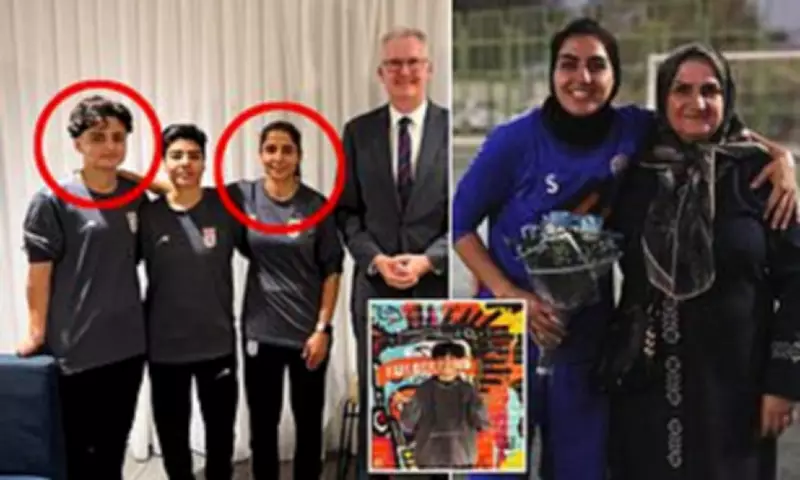
The trio understood to have changed their minds are players Zahra Soltan Meshkehkar and Mona Hamoudi, along with procurement officer Zahra Sarbali. Initially, six players and one support staff member accepted humanitarian visas to stay in Australia following the Women's Asian Cup. With these latest reversals, only three individuals now remain.
Allegations of Coercion and Intimidation
Lawyer Kambiz 'Kam' Razmara, vice president of the Australian Iranian Society of Victoria, told media outlets there was little doubt the Islamic Revolutionary Guard Corps (IRGC) would have exerted pressure on the women, despite their placement in a secure safe house at a secret location.
'The pressure on family members back home, potentially through players who have already departed, represents the regime's standard methodology to intimidate, frighten, and coerce anyone who defies it,' Razmara stated. 'This extends beyond direct threats to families to include social stigma within Iran itself.'
Razmara noted that while only an estimated 11 percent of Iran's population supports the Ayatollah's regime, these elements wield significant influence and could employ propaganda tactics—such as highlighting the US bombing of a school—to sway opinions.
Background to the Asylum Bid
The situation unfolded after Iran brought 26 players to Australia for the Women's Asian Cup. Following an attack by the United States and Israel that killed Ayatollah Ali Khamenei on the eve of their first match, players remained silent during the national anthem before their opening game against South Korea on March 2. Iranian state television subsequently branded them 'traitors,' sparking fears of persecution upon return.
On March 9, five players negotiated a deal via Immigration Minister Tony Burke to seek asylum in Australia. The original group included Zahra Sarbali and Mona Hamoudi, later joined by Mohaddeseh Zolfi, who refused to board the team's flight from Sydney to Kuala Lumpur on Tuesday night. Procurement officer Zahra Soltan Meshkeh-Kar, known as Fleur, also initially declined to return.
Reversals and Remaining Players
By Wednesday, Zolfi had reversed her decision and opted to return to Iran. This weekend, Meshkeh-Kar, Sarbali, and Hamoudi followed suit. The three players still remaining in Australia are:
- Atefeh Ramazanzadeh, 33, a former team captain
- Fatemeh Pasandideh, 21, a midfielder
- Zahra Ghanbari, a forward and record-holding top goalscorer
Razmara expressed deep concern for these individuals, stating they face 'enormous pressure' to eventually return home. 'That kind of feeling, the dread, is just awful. It's akin to waiting to know whether cancer is going to kill you,' he said.
Personal Profiles and Social Media Presence
The remaining players present distinct personalities online. Atefeh Ramazanzadeh maintains a quiet social media presence, while Fatemeh Pasandideh exhibits an exuberant profile, sharing videos of herself dancing to Middle Eastern music and celebrating on the field. Zahra Ghanbari has posted emotional tributes to her parents, including a poignant message to her mother last June: 'The foundation of my life has been broken, our bloodline has been broken. But you are the reason I stand, Mom, you are the reason I breathe...'
Ongoing Risks and Solidarity
Razmara warned that the women who stay would endure 'the pressure of watching things unfold from afar,' with potential repercussions including family arrests, business targeting, or public harassment. His organization, which opposes the Iranian government's human rights record, stands in solidarity with the remaining players. 'We understand it will be difficult for them. We are in solidarity with them,' he affirmed.