Trump Boasts of Demolishing Iranian Oil Facility, Suggests Further Strikes 'For Fun'
President Donald Trump has declared that critical Iranian oil infrastructure on Kharg Island has been "totally demolished" by U.S. military action, while controversially suggesting additional bombing might occur "just for fun." During a telephone interview with NBC News on Saturday, the president made these remarks as the U.S.-Israeli conflict in Iran entered its third week.
Claims of Destruction and Ceasefire Discussions
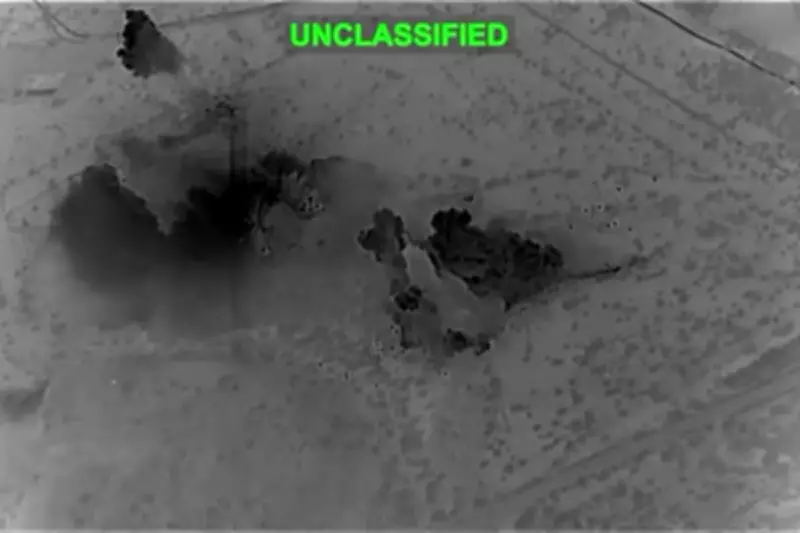
Trump asserted that the U.S. military "totally demolished" Kharg Island, which hosts vital Iranian oil depots. He added, "We may hit it a few more times just for fun," a statement that echoes previous comments where he described military action as entertaining. According to Pentagon figures, the United States utilized $11.3 billion worth of munitions in the first week of the war against Iran.
In the same 30-minute interview, Trump revealed that Iran has expressed interest in negotiating a ceasefire, but he has not agreed because "the terms aren't good enough yet." He emphasized that any deal must be "very solid" and include Iran's commitment to refrain from developing nuclear weapons. However, he provided no specific details about the proposed terms or what would be acceptable to the U.S.
Call for Allied Naval Support in Strategic Strait
The president has called upon allies, including the United Kingdom, France, and Japan, to deploy ships to the Strait of Hormuz to help keep this crucial shipping channel open for oil trade. Trump told NBC News, "We're going to be sweeping the strait very strongly, and we believe we'll be joined by other countries who are somewhat impeded, and in some cases impeded from getting the oil." He mentioned that it is "possible" U.S. vessels could begin escorting ships through the strait.
This request follows the announcement that 2,500 U.S. Marines are being dispatched to the region aboard an amphibious assault ship, underscoring the escalating military presence.
Assessment of Iranian Military Capabilities
Trump downplayed Iran's remaining military power, stating, "The only power they have, and it's a power that can be closed off relatively quickly, is the power of dropping a mine or shooting a relatively short-range missile. But when we get finished with the shoreline, they're not going to have that power either." He claimed that U.S. forces have "knocked out most of their missiles" and drones, and largely destroyed their manufacturing capabilities, predicting total decimation within two days.
Controversial Remarks on Military Actions
This is not the first instance where Trump has framed military actions in terms of entertainment. During a rally in Kentucky on Saturday, he recounted a conversation with a military officer who reported destroying over 50 Iranian ships. Trump expressed frustration that the ships were not captured for U.S. use, quoting a general as saying, "Sir, it's a lot more fun doing it this way."
War Progress and Humanitarian Impact
Trump has yet to outline a clear endpoint for the conflict, describing the war as "very complete" and indicating that "nation building" in Iran is just beginning. He told Axios that there is "practically nothing left to target" in Iran. The human cost includes 13 U.S. service members killed and over 1,000 Iranian fatalities, with at least 175 being children and staff from a school reportedly destroyed by U.S. bombs. Trump has suggested, without evidence, that Iran might be responsible for these deaths.
Defense Secretary on Presidential Control
Defense Secretary Pete Hegseth has stated that the war's duration will be determined solely by Trump. At a Pentagon press briefing, Hegseth said, "The president has set a very specific mission to accomplish, and our job is to unrelentingly deliver that. Now he gets to control the throttle. He's the one deciding. He's the one elected on behalf of the American people when we're achieving those objectives." This underscores the central role Trump plays in military decision-making.
As tensions persist, Trump's comments continue to draw attention for their blend of strategic assertions and unconventional rhetoric, shaping the narrative around U.S. military engagements in the region.