Afghan women who dreamed of studying in the UK have seen their hopes shattered after the Home Office suspended study visas for applicants from Afghanistan, Sudan, Myanmar and Cameroon. The move, announced by Home Secretary Shabana Mahmood, is intended to curb abuse of the immigration system, but critics say it punishes talented individuals fleeing oppression.
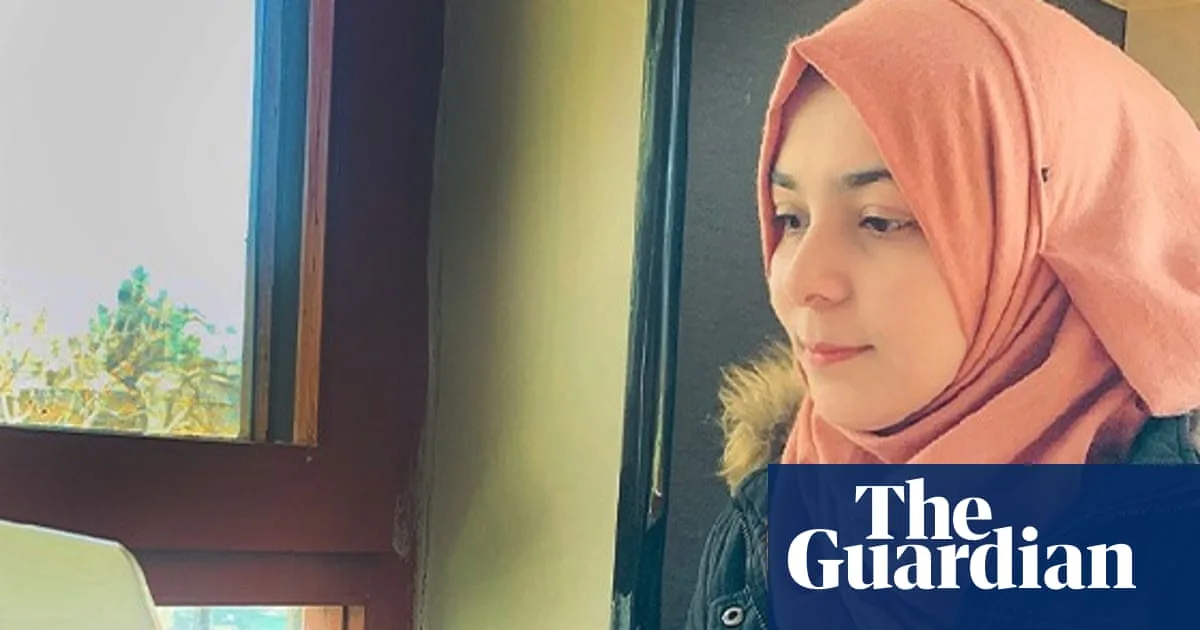
Shahira Sadat, a software engineer from Afghanistan, had received an interview invitation for the prestigious Chevening scholarship, funded by the UK government. She had three university offers and hoped to use her AI skills to reduce the education gender gap in her country, where the Taliban has restricted women’s rights. But on 5 March, she learned her application could not proceed due to the visa ban. “I cried and cried for hours,” she said.
Sudanese dentist Afra Elmahdi was also affected. She had secured a place at Oxford University for an MSc in applied cancer science, focusing on oral cancers. “We have applied for these scholarships while being displaced and surviving a war,” she said. “The Home Office is saying a bold, generalised and unjust no.”
Mahmood justified the “emergency brake” by citing a spike in asylum claims from students from these countries, which she said posed an “unsustainable threat” to the UK’s asylum system. However, the actual numbers are small—just a few hundred—and other countries with higher student numbers are not subject to a similar ban.
For Afghan women, the ban is particularly devastating. “Opportunities like Chevening are not just academic programmes—they are lifelines,” Sadat said. “They are rare doors that allow us to grow, to contribute and to remain connected to the world.”