Trump Calls for Allied Warships in Hormuz as Iran Threatens UAE Ports
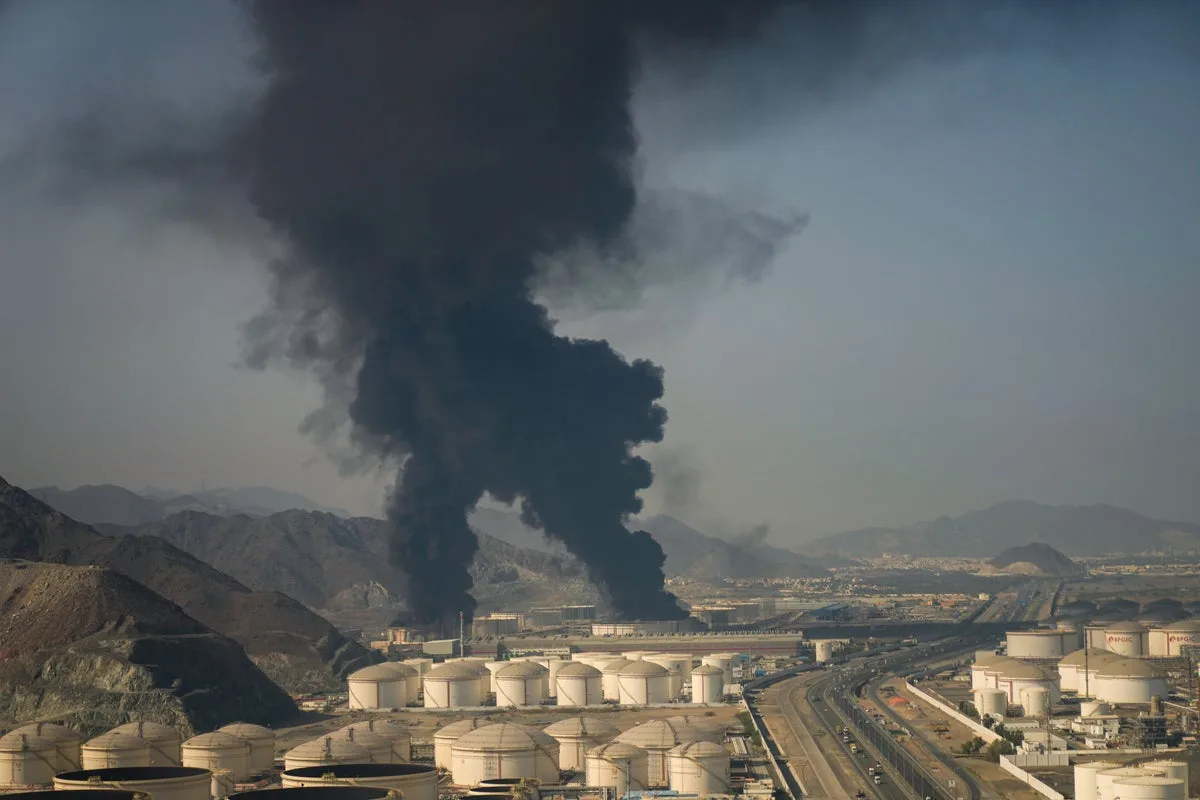
Former U.S. President Donald Trump has publicly urged key allies including China, France, Japan, South Korea, and the United Kingdom to deploy warships to the strategically vital Strait of Hormuz. This appeal comes as Iran intensifies its warnings, calling for civilians to evacuate three major ports in the United Arab Emirates, including the Middle East's busiest port, marking a significant escalation in the ongoing conflict involving the U.S. and Israel.
Iran's Direct Threat to Neighbouring Assets
Iran's demand for evacuations at UAE ports represents the first instance where Tehran has openly threatened non-U.S. assets in a neighbouring country. Iranian authorities allege that the United States has utilised "ports, docks and hideouts" within the UAE to launch strikes on Kharg Island, the primary terminal for Iran's oil exports, though no evidence has been provided to substantiate these claims. The Iranian government has urged people to leave areas where it asserts U.S. forces are sheltering.
Iranian Foreign Minister Abbas Araghchi specifically stated that U.S. attacks on Kharg Island and Abu Musa Island originated from two locations in the UAE: Ras Al-Khaimah and a site "very close to Dubai." He described this as a dangerous development, emphasising that Iran "will try to be careful not to attack any populated area" in those regions.
Global Response and Regional Tensions
In response to Trump's call for naval support, the United Kingdom indicated it is discussing a "range of options" with allies to ensure shipping security in the Strait of Hormuz. Araghchi, however, dismissed Trump's appeal as "begging" and urged regional neighbours to "expel foreign aggressors." The U.S. Central Command has offered no comment on Iran's allegations regarding the use of UAE facilities.
Anwar Gargash, a diplomatic adviser to the UAE president, stated via social media that while the nation retains the right to self-defence, it "still prioritises reason and logic, and continues exercising restraint." This conflict has seen Iran launch hundreds of missiles and drones at Gulf Arab neighbours, claiming to target only U.S. assets despite reports of impacts or attempts on civilian infrastructure such as airports and oil fields.
Humanitarian Crisis and Military Developments
The humanitarian situation in Lebanon has deteriorated severely, with over 800 fatalities and 850,000 people displaced due to Israeli strikes targeting Iran-backed Hezbollah militants. Meanwhile, Iran's joint military command reiterated threats to attack U.S.-linked "oil, economic and energy infrastructures" in the region if its own oil infrastructure is targeted.
According to Iran's semiofficial Fars news agency, strikes on Kharg Island caused no damage to oil infrastructure, instead targeting an air defence facility, a naval base, an airport control tower, and an offshore oil company's helicopter hangar.
U.S. Military Casualties and Embassy Attack
The U.S. Department of Defence identified six service members killed in a military refueling aircraft crash in western Iraq while supporting operations against Iran. The deceased are Maj. John A. Klinner, 33; Capt. Ariana G. Savino, 31; Tech. Sgt. Ashley B. Pruitt, 34; Capt. Seth R. Koval, 38; Capt. Curtis J. Angst, 30; and Tech. Sgt. Tyler H. Simmons, 28. The crash followed an unspecified incident involving two aircraft in "friendly airspace," with the other plane landing safely.
In a separate development, a missile struck a helipad within the U.S. Embassy compound in Baghdad, though no group immediately claimed responsibility. The embassy, one of the largest U.S. diplomatic facilities globally, has faced repeated attacks from rockets and drones fired by Iran-aligned militias. The State Department has reiterated warnings for U.S. citizens in Iraq to depart immediately via land routes, noting that commercial flights are unavailable and threats from Iran and aligned groups persist.




