Iran's Stark Warning to Trump as Conflict Intensifies
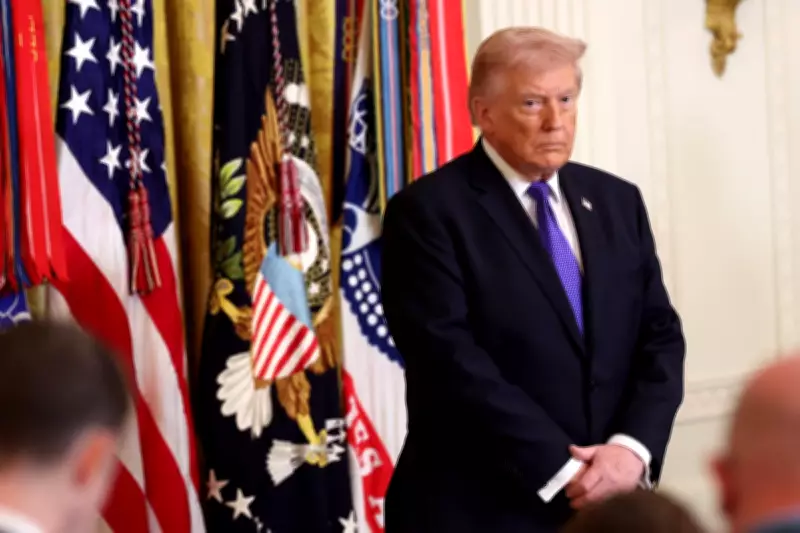
In a dramatic escalation of rhetoric, Iran's top security chief Ali Larijani issued a thinly veiled threat against President Donald Trump on Tuesday, warning the American leader to "be careful not to get eliminated yourself." The warning came as the United States continued its bombing campaign against Iran, with Defense Secretary Pete Hegseth promising the "most intense" day of strikes yet.
Defiant Response to Trump's Threats
Larijani's defiant message was posted on social media platform X in direct response to Trump's earlier vow to rain down "death, fire and fury" on the Islamic Republic. "The sacrificial nation of Iran doesn't fear your empty threats," Larijani wrote. "Even those bigger than you couldn't eliminate Iran."
The exchange occurred as Iran continued missile strikes across the Gulf region, with Bahrain reporting its first fatality—a 29-year-old woman—in the ongoing conflict. According to the New York Times, at least twelve people have been killed in oil-rich nations, with migrant workers comprising the majority of casualties.

Military Escalation and Economic Fallout
As the war of words intensified, so did military preparations. The British warship HMS Dragon, a Type 45 Destroyer, departed Portsmouth naval base on Tuesday afternoon headed for the Eastern Mediterranean. Downing Street confirmed Britain was working with allies to support commercial shipping, with the Ministry of Defence preparing a second vessel for possible deployment.
The conflict has plunged global energy markets into chaos, with oil prices surging due to paralyzed shipping routes in the strategically vital Strait of Hormuz. Tehran has threatened to fully close the strait, through which approximately one-fifth of the world's oil passes.
Conflicting Timelines and Strategic Concerns
Doubts have emerged about the war's duration despite Trump's characterization of it as a "short-term excursion" that would end "very soon." Hegseth countered that the conflict would conclude on "our timeline and at our choosing." Meanwhile, military experts have warned that Iran might be pursuing a "war of attrition" strategy, aiming to exhaust expensive American weaponry before deploying its own superior equipment.
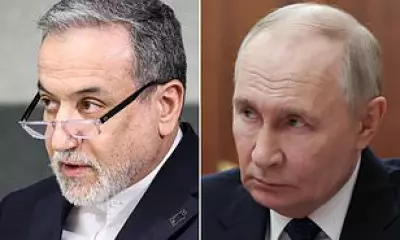
Iranian Foreign Minister Abbas Araghchi signaled no intention to back down, telling PBS: "We are well prepared to continue attacking them with our missiles as long as needed and as long as it takes."
Strategic Targets and Security Threats
New reports suggest the United States is considering seizing Kharg Island, a critical 7.7-square-mile territory responsible for 94 percent of Iran's oil exports. According to Axios, administration officials have held discussions about taking control of this vital oil export terminal.
Security concerns have escalated with reports that Iran could activate "sleeper cells" to conduct attacks globally. ABC News reported that the United States intercepted encrypted communications believed to have originated in Iran following the death of Supreme Leader Ayatollah Ali Khamenei in a US-Israeli attack on February 28. A federal alert sent to law enforcement agencies highlighted these intercepted communications.
The situation remains volatile as both sides demonstrate unwavering determination, with civilian casualties mounting and global economic stability increasingly threatened by the expanding conflict.