Protests that erupted across Iran on December 28 have escalated into the most serious challenge to the country's Islamic regime in several years. As the unrest neared the two-week mark on Saturday, January 10, 2026, the government's intensifying crackdown has failed to quell the widespread demonstrations.
Mounting Toll and Government Crackdown
The protests, initially ignited by public anger over Iran's ailing economy, have swept through multiple cities. Authorities have acknowledged the ongoing demonstrations while simultaneously ramping up their response. At least 62 people have been reported killed and approximately 2,300 detained in the weeks of turmoil.
In a drastic move to control information and suppress coordination, Iran's leaders have severed the country's connection to the global digital sphere. Access to the internet and international telephone calls has been shut down, effectively isolating the nation from the outside world as the crisis unfolds.

Echoes in London: A Historic Embassy Site Sees New Drama
The reverberations of the Iranian protests have been felt thousands of miles away in the UK's capital. On Saturday, a protester climbed onto the balcony of the Iranian embassy in the affluent Kensington area of central London, drawing a police response.
The Metropolitan Police confirmed that additional officers were dispatched to the scene, where a number of people had gathered. This incident occurred at a site with a notorious history: in 1980, the same embassy was seized by six armed Iranian-Arab gunmen who took 26 people hostage during a siege demanding sovereignty for Iran's south-western Khuzestan province.
That crisis was dramatically ended on its sixth day when SAS soldiers stormed the building in a lightning 17-minute operation. They successfully rescued all but one of the hostages, killing five of the six hostage-takers in the process.
International Condemnation and Calls for Restraint
The situation in Iran has drawn sharp criticism from international figures. Earlier in the week, Labour leader Sir Keir Starmer condemned the killing of protesters in the country. He publicly urged the Tehran regime to "exercise restraint" amid its severe crackdown on demonstrations.
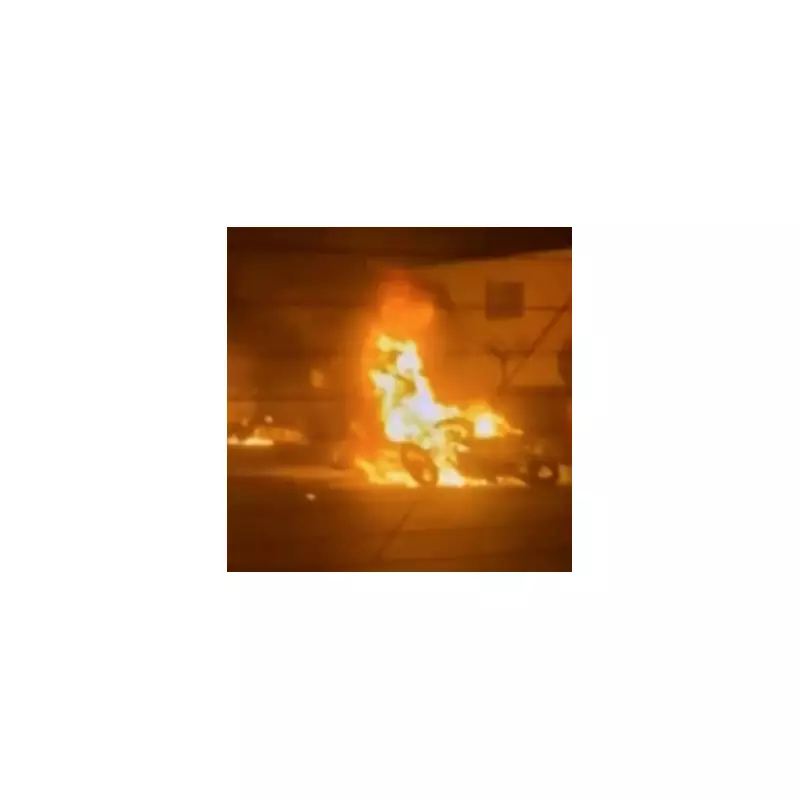
As night fell in Tehran, Iranian state television broadcast images of burning vehicles, underscoring another night of mass protests and chaos. With the internet blackout persisting and the death toll rising, the protests show no sign of abating, presenting a sustained and significant threat to the established political order.