Iran is grappling with its most severe internal unrest in years, as a brutal government crackdown on widespread anti-regime protests has reportedly left thousands dead and tens of thousands arrested. The situation remains obscured by a near-total nationwide internet blackout, severely limiting the flow of information from the country.
Scale of the Unrest and Crackdown
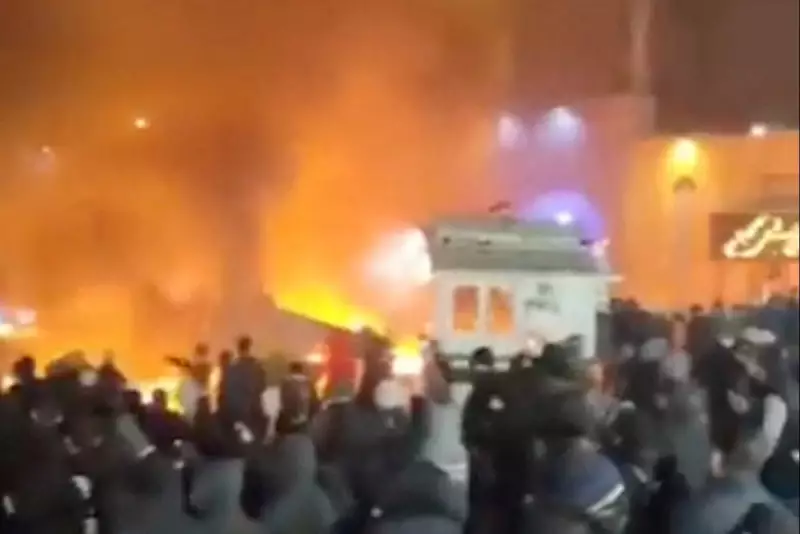
The protests, which erupted across all 31 of Iran's provinces a fortnight ago, have transformed parts of the capital, Tehran, into what witnesses described as a "war zone." Buildings, buses, and shops were burned to the ground as demonstrations escalated. According to the US-based Human Rights Activist News Agency (HRANA), at least 2,637 people have been killed and approximately 20,000 arrested. Some experts, cited by CBS, suggest the death toll could be a gross underestimate, with the real figure potentially as high as 12,000 to 20,000. The casualties include at least 135 security personnel.
The regime has moved decisively to quell the dissent. The head of Iran's police warned the force to respond "decisively, swiftly and forcefully" to what authorities label "violent rioters." The elite Islamic Revolutionary Guard Corps has accused "terrorists" of targeting military bases. Shockingly, rights groups report that at least 800 people are due to be executed for their involvement, though the planned execution of one man, 26-year-old Erfan Soltani, was reportedly delayed after Iran gave reassurances to the US.

Economic Despair and Digital Suppression
The protests began on 28 December in Tehran's major markets, triggered by the Iranian rial plunging to a record low of 1.42 million to the US dollar. This collapse has exacerbated a dire economic crisis, with annual inflation running at around 40% and prices for staples like meat and rice soaring. Recent government moves, including a new pricing tier for subsidised gasoline and the end of a preferential exchange rate for many imports, have further squeezed the populace.
While the demonstrations started over economic hardship, they swiftly evolved, with chants targeting the regime directly. This anger has been simmering for years, notably since the 2022 death of Mahsa Amini in morality police custody. To control the narrative and stifle organisation, authorities imposed a nationwide internet blackout on Thursday 14 January. Internet monitoring group Netblocks reported national connectivity flatlined at about 1% of ordinary levels, calling it "escalating digital censorship" that hinders the public's right to communicate.
International Reactions and Nuclear Stakes
The crisis has drawn sharp international focus. Former US President Donald Trump has repeatedly threatened military action, warning the US would "come to their rescue" if Iran "violently kills peaceful protesters." These threats gained fresh context following recent events in Venezuela. However, reports suggest "last-minute" talks with Gulf states and intervention by Israeli Prime Minister Benjamin Netanyahu may have persuaded Trump to refrain from an immediate strike.
Iranian leaders have blamed foreign powers. Supreme Leader Ayatollah Khamenei, insisting the Islamic Republic would "not back down," labelled protesters "saboteurs" working for foreign powers. Parliament speaker Mohammad Bagher Qalibaf warned that US and Israeli assets would be "legitimate targets" if America attacks.
The turmoil also casts a shadow over Iran's nuclear programme. Prior to a US bombing of its nuclear facilities in a conflict with Israel in June, Iran had been enriching uranium to near weapons-grade levels. While it recently claimed to have halted enrichment, the UN's nuclear watchdog has warned Iran could potentially build up to 10 nuclear bombs if it decides to weaponise its programme, a move that would dramatically alter regional security dynamics.