
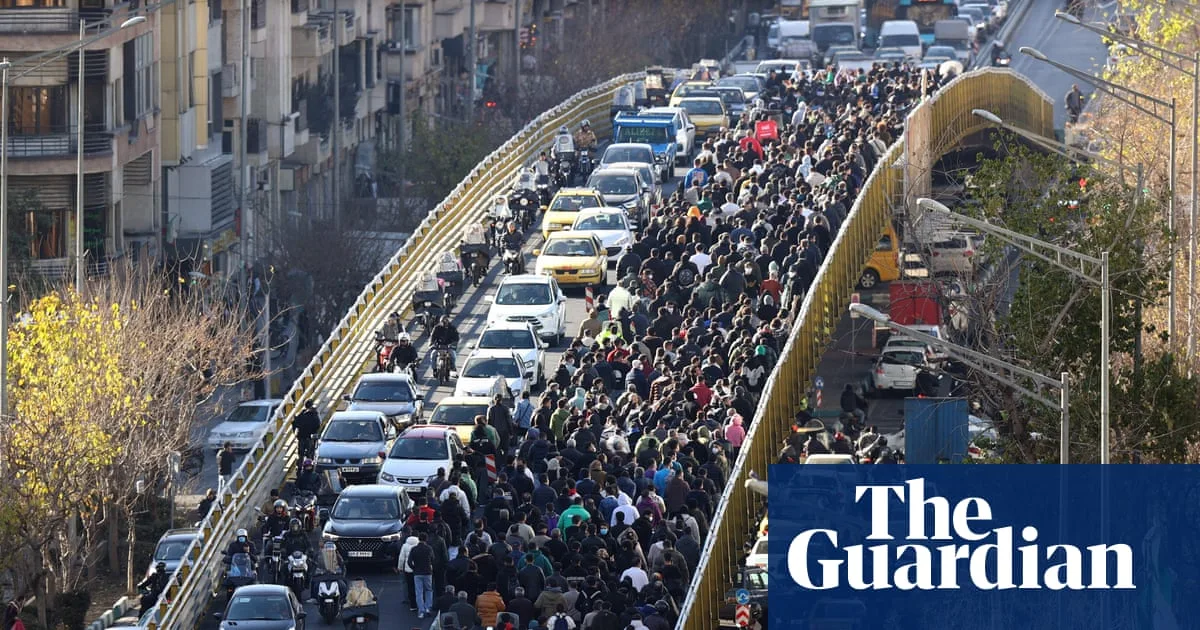
Protests across Iran have entered a fourth day, with merchants shutting their stores, students occupying campuses, and demonstrators blocking streets in defiance of police. The unrest, initially focused on deteriorating living conditions, has widened into broader criticism of the government and its handling of the economy.
The immediate trigger was Sunday's record fall of the Iranian rial, which dropped to 1.42 million against the US dollar, a decline of more than 56% in six months. The currency's plunge has pushed food prices up by an average of 72% compared with the same time last year, while heavy international sanctions have exacerbated inflation and restricted access to frozen funds abroad.
Protesters have chanted "death to the dictator" and "woman, life, freedom"—slogans associated with the 2022 demonstrations that followed the death of Mahsa Amini. Many say years of corruption and mismanagement have left them with little to lose. One Isfahan merchant, speaking under a pseudonym, said he had closed his shop and joined the protests because he could no longer afford to provide for his family, asking: "Do we have to bring suitcases of cash to simply buy bread?"
The government, still shaken by a 12-day war with Israel in June, has called for dialogue with protest leaders. President Masoud Pezeshkian said authorities should listen to the "legitimate demands" of protesters. But activists remain sceptical, noting that security forces have confiscated student IDs, beaten and arrested protesters, and fired metal pellets at crowds—claims that could not be independently verified.
A 19-year-old student involved in the protests said there was no willingness among demonstrators to talk to the regime. "We want the mullahs gone and we want democracy," he said, echoing the sentiment of many who believe the government's offer is an attempt to co-opt their demands and halt the momentum of the movement.




