Defiant protesters in Iran have successfully circumvented a nationwide internet blackout imposed by the authorities, managing to share evidence of a brutal government crackdown with the outside world. The demonstrations, which have spread across all 31 of Iran's provinces, continue to demand political freedom despite escalating violence from security forces.
Widespread Unrest and a Brutal Response
According to the US-based Human Rights Activists News Agency, more than 570 protests have erupted across Iran. The movement, which began in response to soaring inflation, has rapidly transformed into a direct challenge to the country's clerical leadership. In a drastic attempt to stifle dissent, the regime imposed a near-total internet shutdown on Thursday, severing connections for its 85 million citizens.
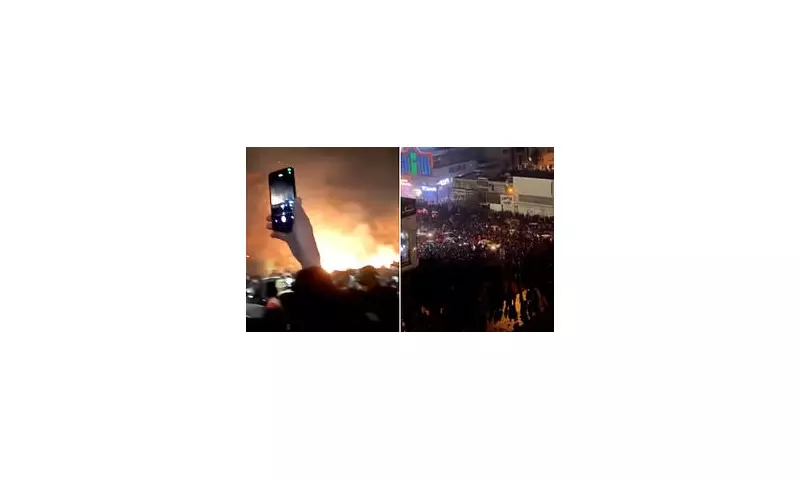
Despite this digital blockade, harrowing footage has emerged from within the country. Shaky mobile phone videos show thousands of people on the streets of Tehran chanting 'Death to Khamenei' and 'Long live the shah'. In one verified clip, a man flees as loud bangs echo, stating, 'Listen to the sound... they're massacring people.'

The human cost is mounting. Iranian activist Masih Alinejad claims hundreds of protesters have been killed by security forces. A doctor in Tehran told Time magazine that just six hospitals in the capital had recorded at least 217 deaths, with most caused by live ammunition. Medical staff at three hospitals reported being overwhelmed with casualties, with one medic describing 'direct shots to the heads of the young people'.
Symbols of Defiance and International Pressure
The protests have seen a notable resurgence of monarchist symbolism. Many participants have been seen holding portraits of Reza Pahlavi, the exiled son of Iran's last Shah, who has urged supporters not to 'abandon the streets'. In Tehran's Punak Square, demonstrators set off fireworks and banged pots in a show of support for the pre-revolutionary Pahlavi dynasty.
The unrest has not been confined to the capital. Significant protests have been reported in:
- Mashhad, the hometown of Supreme Leader Ayatollah Ali Khamenei.
- Rasht in the north and Tabriz in the north-west.
- Shiraz and Kerman in the south.
Reports indicate government buildings and mosques have been set alight, and national flags have been torn up in protest against economic hardship.
Escalating Rhetoric and Threat of Conflict
The crisis has triggered a sharp international response. The UK Government stated it is 'deeply concerned by reports of violence against protesters'. Meanwhile, former US President Donald Trump posted on his Truth Social network that 'Iran is looking at FREEDOM' and that the 'USA stands ready to help'. The Wall Street Journal reported that the White House has held preliminary discussions on potential military options, including a large-scale aerial strike.
Iran's response has been bellicose. In a speech to parliament where lawmakers chanted 'Death to America', Parliament Speaker Mohammad Baqer Qalibaf issued a stark warning. He threatened that any attack on Iran would make 'all American military centres, bases and ships in the region' legitimate targets, along with Israel. He emphasised that Iran would not wait to be struck first.
As the regime fights for its survival, plunging streets into darkness by turning off public lighting, the world watches a nation in turmoil. The bravery of protesters bypassing the digital blackout ensures their struggle for 'freedom and lives' continues to be seen, raising the stakes for a regime facing its most significant challenge in years.