Iran's President Denies Nuclear Ambitions Amidst Anniversary Protests
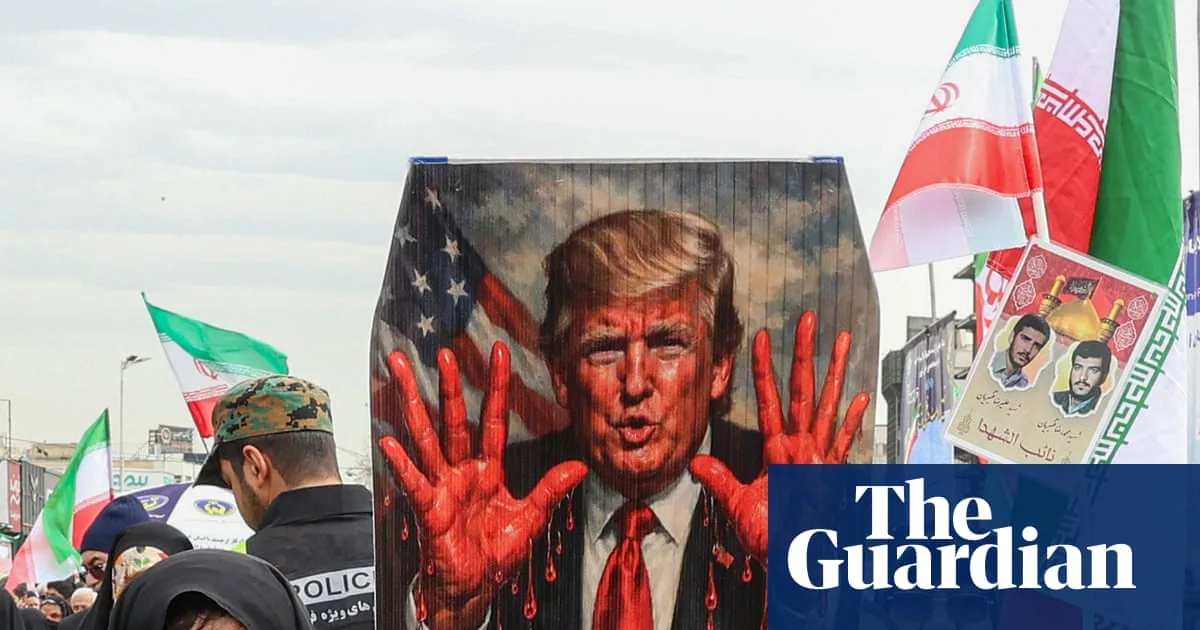
Crowds gathered across Iran to mark the anniversary of the 1979 revolution, with state television broadcasting pro-government rallies featuring American flag burnings and chants of "death to America!" However, the night before, witnesses in Tehran reported shouts from homes of "Death to the dictator!" highlighting ongoing domestic tensions.
Nuclear Stance and US Negotiations
Iran's President Masoud Pezeshkian used the occasion to insist that Iran is not seeking a nuclear weapon, stating the country is "ready for any kind of verification" regarding its nuclear programme. This comes as negotiations with the United States hang in the balance, with the International Atomic Energy Agency unable to inspect Iran's nuclear stockpile for months. Pezeshkian blamed a "high wall of mistrust" created by the US and Europe for hindering talks.
Amidst this, former US President Donald Trump has considered sending a second aircraft carrier strike group to the Middle East, preparing for potential military action if talks fail. Iranian military leadership has repeatedly claimed readiness to confront America.
Admission of Shame and Protests
Pezeshkian acknowledged "great sorrow" and expressed shame over the authorities' crackdown on recent mass protests, saying, "We are ashamed before the people. We are obliged to serve all those who were harmed in this process." He claimed readiness to hear the people's voice but did not directly address the violent suppression of demonstrations that roiled the country earlier this year.
Pictures circulated of empty school desks adorned with red roses commemorating children killed in the protests, with a teachers' union estimating 213 child fatalities. Pezeshkian spurned appeals from reformist leaders to speak out against mass arrests, with detained reformists allegedly held in solitary confinement and accused of sedition.
Regional Diplomacy and Missile Issues
Iranian diplomats worked to counter Israeli Prime Minister Benjamin Netanyahu's efforts to toughen Trump's stance before their White House meeting. An Iranian foreign ministry spokesperson expressed willingness to discuss uranium enrichment reduction, but Iran rejects including its ballistic missile programme in talks, citing defence needs. Ali Shamkhani, representing the supreme leader, stated missile issues are beyond negotiators' authority.
Ali Larijani, secretary of Iran's supreme national security council, engaged in talks in Oman and Qatar, crafting responses to US demands while keeping open possibilities for wider negotiations if initial talks on civil nuclear guarantees succeed.
Anniversary Rallies and Ideological Assertions
The 1979 commemorations featured Brigadier General Aziz Nasirzadeh, the defence minister, hailing the crowds as uniquely passionate, claiming their presence is "more powerful than any bomb or missile." Despite state displays of unity, the juxtaposition of pro-government rallies with anti-regime chants underscores deep societal divisions.
As Iran balances internal unrest with external pressures, Pezeshkian's calls for national unity face challenges from both domestic dissent and international scrutiny over nuclear ambitions.




