Iranian Officials Fear Burying Slain Supreme Leader Khamenei Months After Death
Iran Officials 'Afraid to Bury' Slain Supreme Leader Khamenei

Iranian Officials Reportedly Fearful of Burying Slain Supreme Leader Khamenei

According to emerging reports, Iranian authorities are allegedly "afraid to bury" the assassinated Supreme Leader Ali Khamenei, months after his death. Khamenei, aged 86, was killed in a joint US-Israeli airstrike on February 28, an event that triggered the ongoing Iran war with the United States. His remains remain unburied, a significant departure from established tradition, as highlighted by the New York Post.

Security Concerns and Historical Contrasts

Security experts suggest the delay stems from Tehran's apprehension about conducting the burial process. This hesitation is starkly contrasted with the funeral of Khamenei's predecessor, Ayatollah Ruhollah Khomeini, in 1989, which drew millions of mourners onto the streets of Tehran. In contrast, similar displays for Khamenei were largely absent during weeks of airstrikes that also claimed many of the regime's top leaders.

"It speaks volumes that the turnout for the funeral of the regime’s founding father in 1989 was such a massive affair, and yet one generation later his successor is still not able to have a funeral well over a month after his passing," commented a security analyst. "The Islamic Republic likes to talk a big game about owning the streets, but a 50-day internet blackout tells you all you need to know. The regime fears the consequences of the truth getting out."

Wide Pickt banner — collaborative shopping lists app for Telegram, phone mockup with grocery list

Risks and Practical Considerations

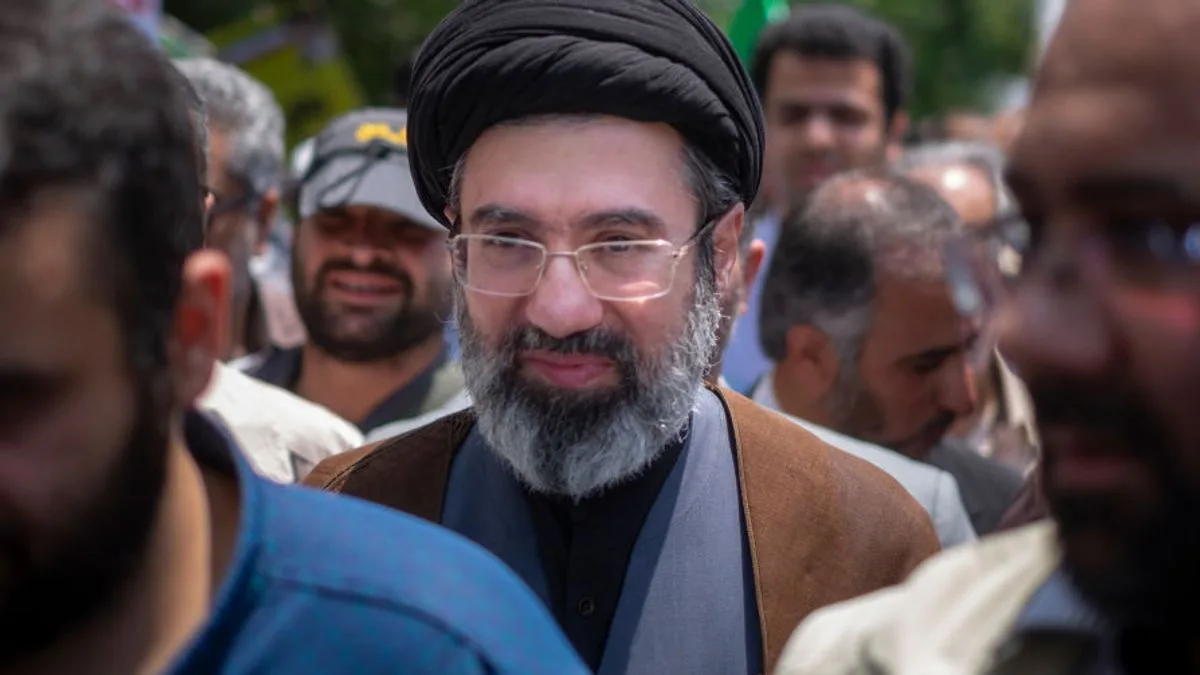
Officials reportedly fear that a burial ceremony could invite potential Israeli airstrikes, spark nationalist counter-rallies reminiscent of recent nationwide uprisings, and force the regime to explain the absence of Mojtaba Khamenei. Mojtaba, Khamenei's son and the newly appointed supreme leader, has not been seen publicly since his appointment, adding to the political tension.

The Islamic Republic had initially planned a three-day state funeral starting on March 4, but it never materialized as the country was rocked by large-scale Israeli and US bombing campaigns, according to the state news agency Irna. Currently, no dates are set for Khamenei's burial ceremony.

Potential Burial Site in Mashhad

In response to these challenges, Iranian officials are considering the remote, northeastern city of Mashhad as a potential burial site, as reported by state media Fars and The Australian. Mashhad, located near the border with Turkmenistan and far from Israel, is Khamenei's hometown, offering both practical and symbolic advantages.

One proposed idea involves burying Khamenei near a shrine with a heavy security presence, which would provide protection for the longtime leader's grave. This move aims to mitigate risks while adhering to cultural and religious practices.

The situation unfolds against the backdrop of a temporary truce signed between the US and Iran on April 8, set to expire soon, further complicating the geopolitical landscape. The delay in burial underscores the regime's vulnerabilities and the ongoing instability in the region.

Pickt after-article banner — collaborative shopping lists app with family illustration




