An Iranian nuclear site has reportedly been struck by a significant explosion, creating a major escalation in regional tensions as former United States President Donald Trump orders military deployments towards the Persian Gulf. The incident has sparked renewed fears of a broader conflict in the Middle East, with the situation described by analysts as highly volatile.
Explosion at Sensitive Nuclear Facility
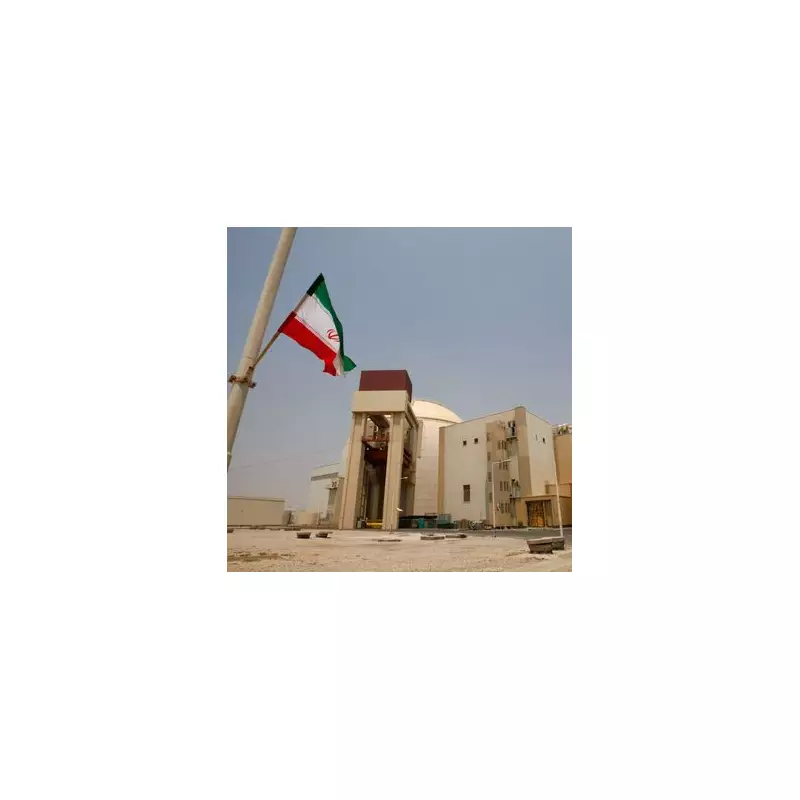
The unconfirmed blast is reported to have occurred at the Parchin military complex, a site long suspected to be at the heart of Iran's alleged nuclear weapons development programme. This facility has been a previous target, notably during Israeli airstrikes back in June. Details surrounding the cause and full extent of the damage remain unclear, with Iranian authorities yet to release an official statement.
US Military Power on Display
The reported explosion coincides with the arrival of a formidable US naval presence in the region. Former President Trump has directed the USS Abraham Lincoln aircraft carrier, accompanied by guided missile destroyers, to sail toward the Persian Gulf. This deployment is widely interpreted as a show of force, signalling Washington's readiness to project military might. The move comes just weeks after the high-profile capture of Venezuelan dictator Nicolas Maduro, underscoring a pattern of assertive foreign policy actions.

Trump has repeatedly hinted at a willingness to authorise strikes against Iran, a stance reinforced following the Iranian regime's brutal crackdown on domestic protesters. These demonstrations initially erupted months ago after the US launched previous strikes that significantly degraded Iran's nuclear capabilities and its support for proxy militias across the Middle East.
Deadly Crackdown and Conflicting Toll
The protests, which began following a sharp devaluation of Iran's Rial currency and the nation's ongoing economic struggles with inflation and international sanctions, spread rapidly across the country. They were met with a severe and violent response from state security forces.
Human rights organisations have provided a harrowing account of the aftermath. The US-based Human Rights Activists News Agency estimates the death toll from the government crackdown could be as high as 6,126 individuals. This figure reportedly includes approximately 5,777 protesters, 214 members of government-linked forces, 86 children, and 49 civilians not involved in the demonstrations.
In stark contrast, Tehran authorities have offered a significantly lower official count, stating 3,117 people died. Of these, they claim 2,427 were civilians and security personnel, while labelling the remainder as "terrorists." Iranian state media has attempted to blame foreign agitators for inciting the unrest, deflecting from the regime's difficulties in managing the nation's profound economic crisis.
Diplomatic Warnings and Regional Alert
The escalating situation has moved to the highest diplomatic levels. Iran's ambassador to the United Nations explicitly addressed the Security Council, stating that Trump's threats of military force were "neither ambiguous nor misinterpreted." This clear warning underscores the gravity with which Tehran views the current US posture.
Regional powers are now on high alert. The arrival of the USS Abraham Lincoln carrier strike group, described in some reports as being within "striking distance," has placed Gulf States and neighbouring countries on edge. The combination of a mysterious explosion at a critical nuclear site and the overt deployment of American naval power has created a tinderbox scenario, with analysts closely monitoring for any sign of direct confrontation that could ignite a wider regional war.