
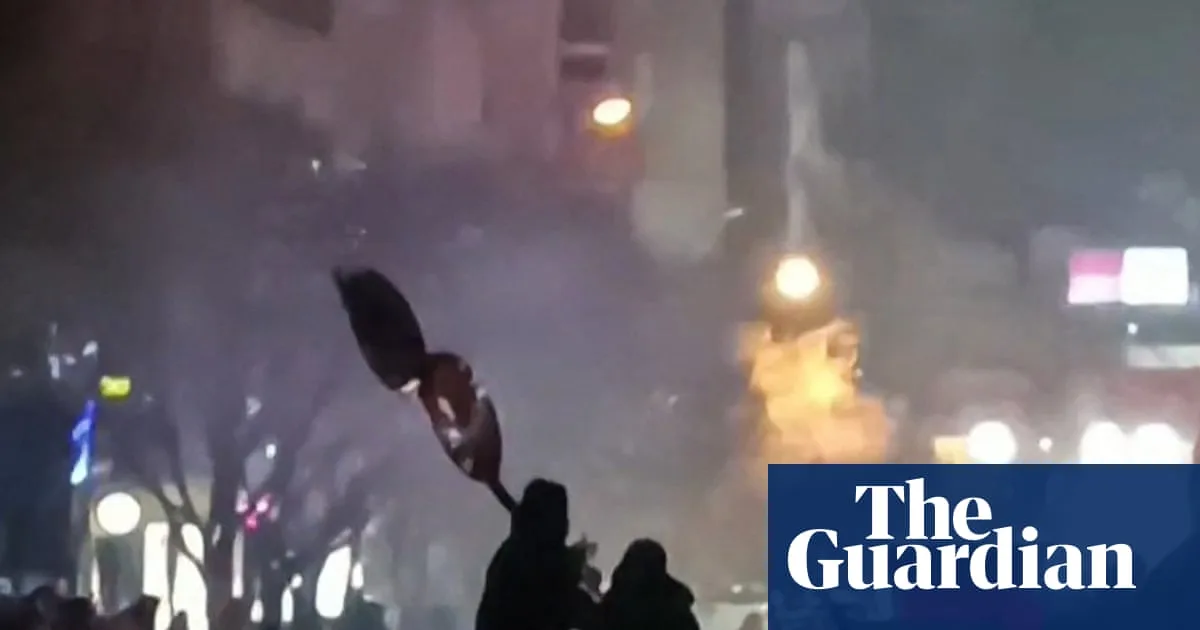
Iran experienced a complete internet blackout on Thursday night as protests over economic conditions spread across the country, increasing pressure on the leadership. The internet freedom monitor NetBlocks first reported the outage, though the cause remained unclear. Iranian authorities have previously shut down the internet in response to protests.
The Norway-based group Iran Human Rights (IHR) said on Thursday that security forces had killed at least 45 protesters, including eight children, since the demonstrations began 12 days ago. Shopkeepers in Kurdish regions and dozens of other cities heeded calls for a general strike, closing their doors. In the southern Fars province, protesters pulled down a statue of former Revolutionary Guards commander Qassem Suleimani.
Protests reached all 31 provinces on Thursday, with large crowds gathering in Tehran and other cities. IHR said Wednesday was the bloodiest day of the movement, with 13 protesters confirmed killed. The group accused authorities of raiding hospitals to detain wounded protesters. Amnesty International said security forces used 'unlawful force' and killed both protesters and bystanders.
President Masoud Pezeshkian called for restraint in handling the demonstrations, urging dialogue and listening to people's demands. The protests were triggered by a sudden slide in the currency and general economic malaise. The government announced the end of a subsidised exchange rate for importers, causing grocery prices to soar.
Everyday life has become increasingly unaffordable for Iranians, with food prices rising more than 70% and medicine about 50% since last year. The government blames external factors, primarily harsh western sanctions over Iran's nuclear programme, for the economic crisis.




