
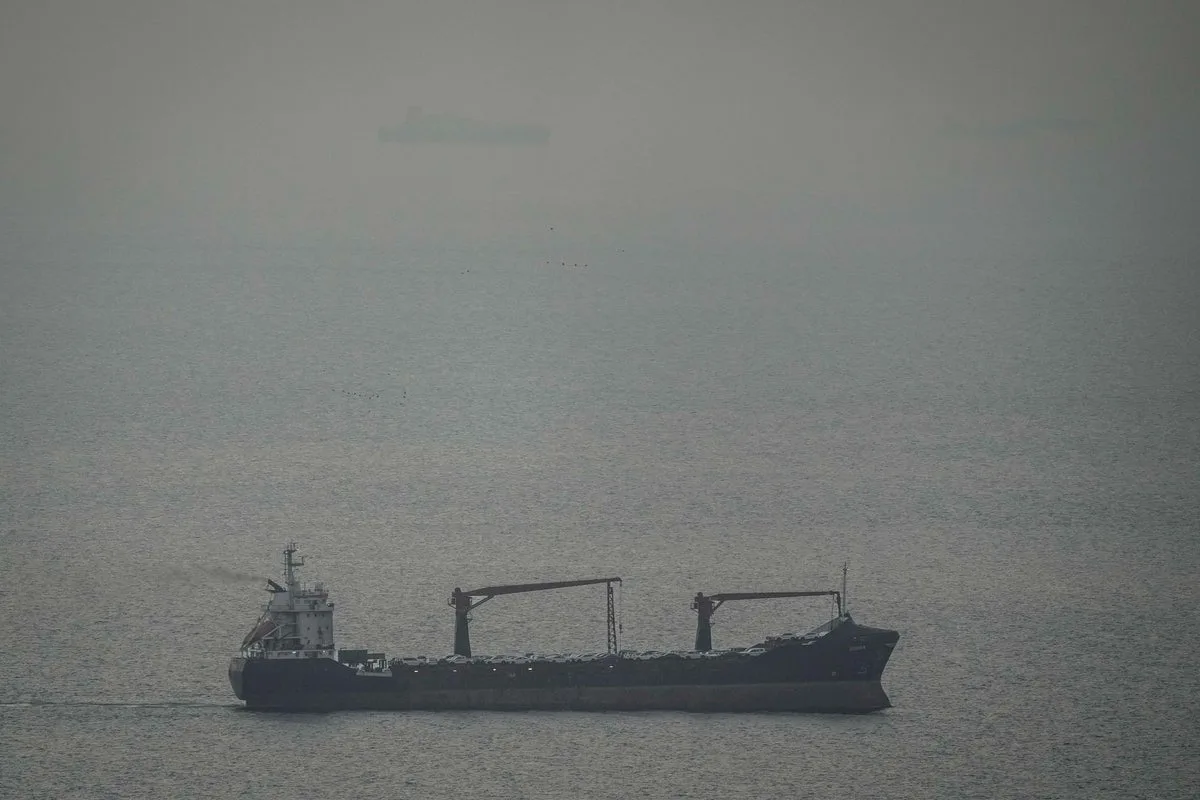
Iran has established a “de facto toll booth regime” in the Strait of Hormuz, with its parliament now pursuing legislation to formalise a fee system for ships transiting the critical waterway, analysts say. The strait, through which about a fifth of the global oil supply passes, has seen shipping companies paying millions of dollars per tanker to secure passage amid heightened tensions.
The Islamic Revolutionary Guard Corps (IRGC) has been ordering vessels to submit full documentation, obtain clearance codes, and accept escorted passage through a controlled corridor, according to Lloyd’s List. Since 13 March, 26 vessel transits have followed this route, with no transits via the normal route since 15 March.
Iranian lawmaker Mohammadreza Rezaei Kouchi told Fars and Tasnim news agencies that the legislation aims to “formally codify Iran’s sovereignty, control and oversight over the Strait of Hormuz, while also creating a source of revenue through the collection of fees.” He described the arrangement as “entirely natural,” adding: “We provide its security, and it is natural that ships and oil tankers should pay such fees.”
Analysts report that ships are already paying millions to transit. Isaac Levi of CREA said at least one tanker paid $2m to pass via the northern edge of the strait closest to Iran. “What we've seen is a huge amount of desperation from oil exporters and traders to be able to pass through the Strait safely – they are willing to take on a huge amount of risk and pass through perhaps without insurance,” he told The Independent.
On Tuesday, only four ships crossed the strait, with standard commercial shipping lanes empty, according to maritime intelligence firm Windward. The number rose to five on Wednesday, amid signs that “Iran is formalising a selective-access system.” Iran told the UN Security Council that “non-hostile” ships could be allowed to transit, though traffic remains a fraction of pre-war levels.
Foreign Secretary Yvette Cooper said on Friday that Iran was “holding the global economy hostage” as she met counterparts, including US Secretary of State Marco Rubio, to discuss the situation. Ships engaging the system must contact IRGC-connected intermediaries, submitting identification, ownership, cargo, destination, and crew details for sanctions screening and “geopolitical vetting,” according to Lloyd’s List. At least two vessels paid a direct toll settled in yuan.




