International outrage is growing amid claims from Iranian opposition groups that more than 3,000 protesters have been killed during a brutal 16-day crackdown by authorities. The escalating violence has sparked solidarity demonstrations across the globe, from London to Los Angeles, while the UK government faces questions over its stance on Iran's powerful military wing.
Internet Blackout Amidst Rising Death Toll
Iran's population of 90 million awoke on Monday to a near-total communications blackout, with internet access blocked and phone lines severed. This drastic move followed a weekend of intense clashes in Tehran and the country's second city, Mashhad. Eyewitness accounts describe hospitals being "overwhelmed with bodies" as the regime's security forces responded with lethal force to the widespread anti-government demonstrations.
The exiled opposition group, the People's Mojahedin Organization of Iran (MEK), issued a stark assessment on Monday night. They stated the death toll had now "exceeded 3,000" since the protests began. The group's leader, Maryam Rajavi, condemned the government's actions, labelling the crackdown a "major crime against humanity." While other estimates place the number of fatalities lower, the MEK's figures highlight the severe scale of the reported violence.

Global Solidarity and UK Policy Dilemma
The crisis has reverberated far beyond Iran's borders. In London, protesters gathered outside the Iranian embassy, where one individual set fire to an image of Supreme Leader Ayatollah Ali Khamenei. Parallel demonstrations were seen in Berlin and Los Angeles, with some displays of support for Iran's deposed Pahlavi monarchy.
Meanwhile, in Tehran, the regime staged large pro-government rallies, with crowds chanting anti-US and anti-Israel slogans in Enghelab Square. This show of force coincided with a chilling text message sent by police to the public, warning families to "keep their youth and teenagers off the streets."
The UK government's position came under scrutiny as Downing Street appeared to downplay the immediate prospect of proscribing Iran's Islamic Revolutionary Guard Corps (IRGC) as a terrorist organisation. When questioned, Number 10 referenced comments from the former head of MI6, Sir Richard Moore, who cautioned that such a move "won't have a practical effect" and might primarily serve to make the West "feel better about ourselves."
A Nation Divided and Under Siege
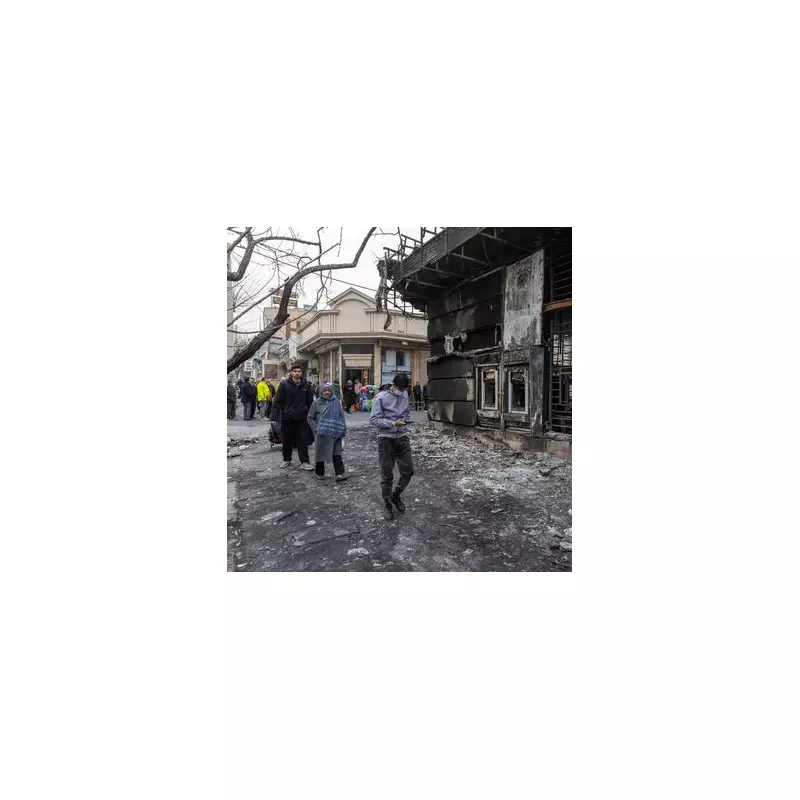
The visual evidence emerging from Iran paints a picture of a deeply divided nation under severe strain. Photographs show significant damage in parts of Tehran following the clashes. Simultaneously, state-organised rallies filled streets with regime supporters holding aloft pictures of Khamenei, while billboards in the capital displayed coffins draped with American and Israeli flags.
As the internet blackout continues to obscure the full picture from inside the country, the international community is left to rely on satellite imagery, smuggled footage, and accounts from the Iranian diaspora. The key questions now focus on the veracity of the mounting death toll, the potential for further international sanctions, and whether the UK and its allies will reconsider their diplomatic and legal approach to the IRGC in light of the alleged atrocities.