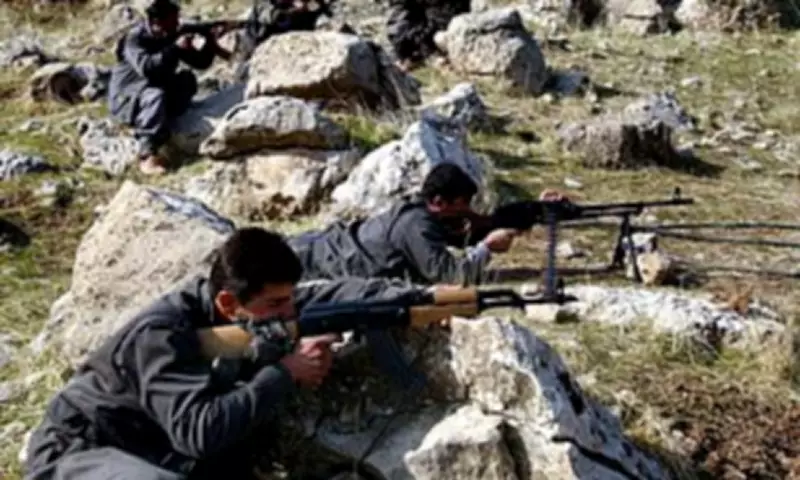
In a dramatic escalation of hostilities in the Persian Gulf, thousands of Iraqi Kurdish fighters have launched a ground invasion into Iranian territory, according to senior US officials. The offensive represents a significant new phase in the rapidly deteriorating conflict between Iran and Western-backed forces.
Kurdish Forces Storm the Border
The ground assault, reportedly involving substantial numbers of US-supported Kurdish Peshmerga units, began with coordinated strikes across the mountainous border region. Military analysts suggest this marks the first major conventional ground operation against Iranian soil since the current crisis began. The offensive comes amid growing international concern that the regional conflict could spiral into a broader confrontation.
Cruise Passengers Trapped in Warzone
Meanwhile, hundreds of cruise ship passengers remain effectively trapped in the Gulf region as Iran has declared the Strait of Hormuz a closed military zone. Tehran has issued stark warnings that any vessel attempting to enter the strategic waterway will be targeted and destroyed. Multiple cruise liners have been forced to remain in port, with passengers describing scenes of panic and confusion as explosions were heard overhead during recent drone attacks.

"We were dancing around the pool trying to keep spirits up while suicide drones were flying above us," one British passenger reported from a Dubai-based cruise ship. "Now we're being told we might be stuck here for over a week while the naval blockade continues."
US Military Actions Intensify
The ground offensive coincides with increased US military activity in the region. Shocking periscope footage has emerged showing an American submarine sinking an Iranian warship off the coast of Sri Lanka, demonstrating the expanding geographical scope of the conflict. Additionally, Israeli special forces are reportedly conducting "extraordinary missions" in neighboring Iraq, with helicopter insertions being observed by regional monitors.
Political Fallout and Diplomatic Tensions
The military escalation has triggered significant diplomatic repercussions. British Prime Minister Keir Starmer has openly criticized US President Donald Trump's approach, stating that the American leader lacks a "viable thought-through plan" for managing the Iran conflict. This public disagreement has placed considerable strain on the traditional Special Relationship between the two allies.
Meanwhile, political commentator Peter Hitchens has voiced strong opposition to British involvement, arguing that "we're an ancient and proud nation" that should resist American pressure. His sentiments reflect growing domestic unease about the UK's role in the escalating confrontation.
Regional Security Implications
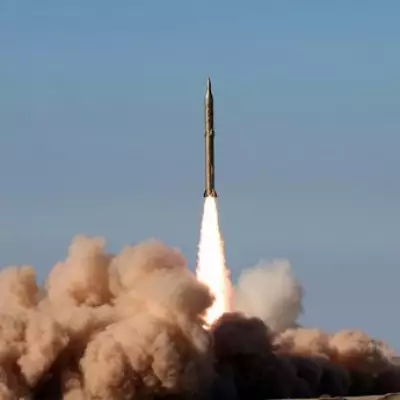
The situation remains extremely volatile, with Iran displaying its military capabilities through exhibitions of underground missile cities containing rows of drones and rockets. Tehran has issued fresh threats to target "all economic centres" in the Middle East, specifically mentioning Dubai, where a US consulate was recently struck by a drone attack.
European leaders have expressed grave concerns, with Spanish Prime Minister Pedro Sánchez accusing President Trump of "playing Russian roulette with millions of lives." The EU's asylum agency has warned that the Iran turmoil could precipitate a migrant crisis of "unprecedented magnitude" should the conflict continue to escalate.
Humanitarian and Logistical Challenges
The conflict has created severe logistical problems throughout the region:

- British holidaymakers in Dubai have faced chaotic conditions at airports, with some reporting 22-hour delays as they attempt to flee the region
- Influencers and celebrities who had relocated to Dubai are now seeking to leave, describing the emirate as a "ghost town" amid the security threats
- The Royal Navy's limited capabilities have drawn criticism, with some commentators suggesting Britain's naval forces are insufficient to respond effectively to the crisis
As the ground offensive continues and diplomatic tensions mount, the international community watches anxiously, with former NATO commanders warning that the world stands "on the brink of World War III." The coming days will prove crucial in determining whether the conflict can be contained or whether it will spread further across the volatile Middle East region.