Iran Retaliates Against Israel and Gulf Nations Following Assassination of Top Security Official
Iran Attacks Israel and Gulf Countries After Israeli Strike Kills Official

Iran Launches Retaliatory Strikes Against Israel and Gulf Nations

Iran has initiated missile attacks targeting Israel and neighboring Gulf countries in the early hours of Wednesday, marking a significant escalation in regional tensions. This aggressive move comes directly in response to an Israeli military strike that eliminated top Iranian security official Ali Larijani, as confirmed by Iranian state media. The strike also claimed the life of Gen. Gholam Reza Soleimani, head of the Revolutionary Guard's Basij force, known for its involvement in suppressing domestic protests.

Explosions Reported Across Gulf Region

Residents in the United Arab Emirates and Qatar reported hearing loud explosions as Iranian projectiles reached their airspace. Saudi Arabia successfully intercepted several incoming missiles, according to defense officials. The coordinated nature of these attacks underscores Iran's determination to retaliate across multiple fronts following the assassination of its senior security leadership.

Israeli Airstrikes Intensify in Central Beirut

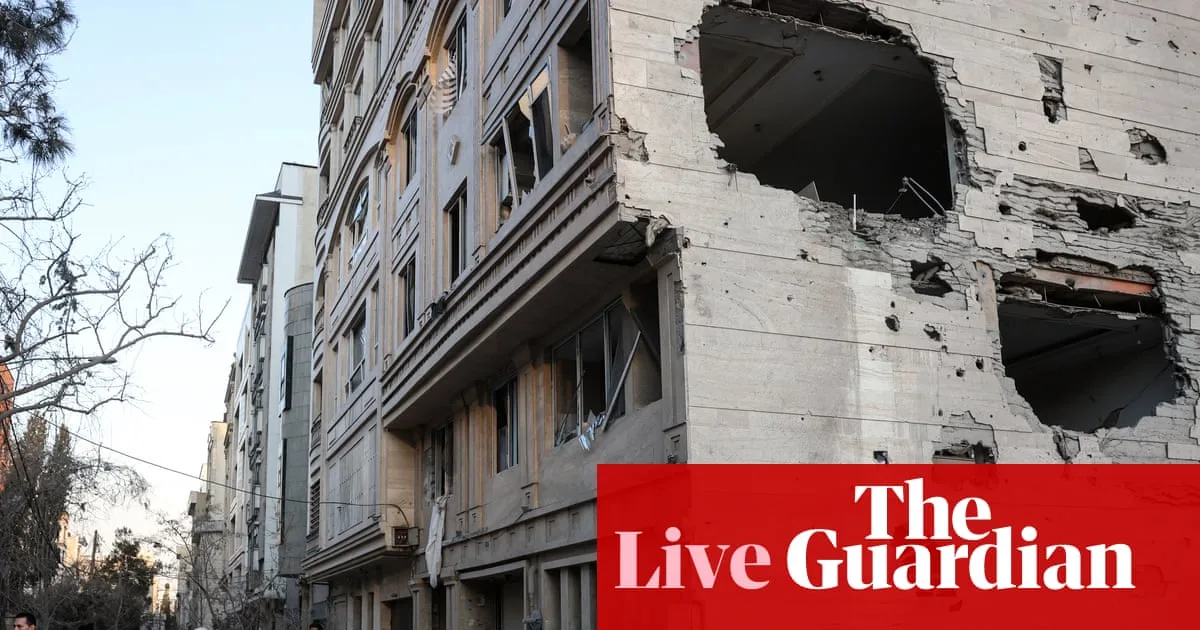
Meanwhile, Israeli military operations have intensified in Lebanon's capital. An Israeli airstrike completely demolished an apartment building in Bachoura, central Beirut, as daylight broke on Wednesday. Earlier strikes on residential apartments in other central Beirut neighborhoods resulted in at least six fatalities and twenty-four injuries, according to statements from the Lebanese Health Ministry.

These attacks on central Beirut represent a concerning escalation, as they target areas far from the southern suburbs where the Israeli military had previously issued evacuation notices during the conflict with Hezbollah. Israeli strikes on central Beirut have become increasingly frequent in recent days, often occurring without prior warning to residents.

Mounting Casualty Figures Across the Region

The ongoing U.S.-Israeli conflict with Iran has resulted in devastating human losses across multiple nations. Official reports indicate at least 1,300 fatalities in Iran, more than 900 in Lebanon, and 14 in Israel. The U.S. military has confirmed 13 American service members killed and approximately 200 wounded in the hostilities.

International Response and Diplomatic Developments

In related diplomatic developments, Australian Treasurer Jim Chalmers stated on Wednesday that he was unaware of any formal U.S. request for military assistance to secure the Strait of Hormuz against potential Iranian threats. This statement came in response to U.S. President Donald Trump's complaints that Australia, Japan, South Korea, and NATO had rejected his calls for support in protecting the vital waterway.

When questioned by Australian Broadcasting Corp about whether Australia had received any formal request for additional military support to keep the strait open, Chalmers responded, "Not that I'm aware of." He further clarified in an interview with Sky News television, "It's not something that we've been considering, in terms of sending battleships to the Strait of Hormuz."

The situation remains fluid as regional powers assess the implications of Iran's retaliatory strikes and the ongoing Israeli military operations in Lebanon. The targeting of civilian areas in Beirut and the expanding geographic scope of Iranian attacks suggest the conflict may be entering a more dangerous phase with potentially wider regional consequences.