California Oil Town Faces Uncertain Future as Valero Refinery Shuts Down
California Oil Town Faces Future as Valero Refinery Closes

California's Benicia Confronts Post-Refinery Identity Crisis

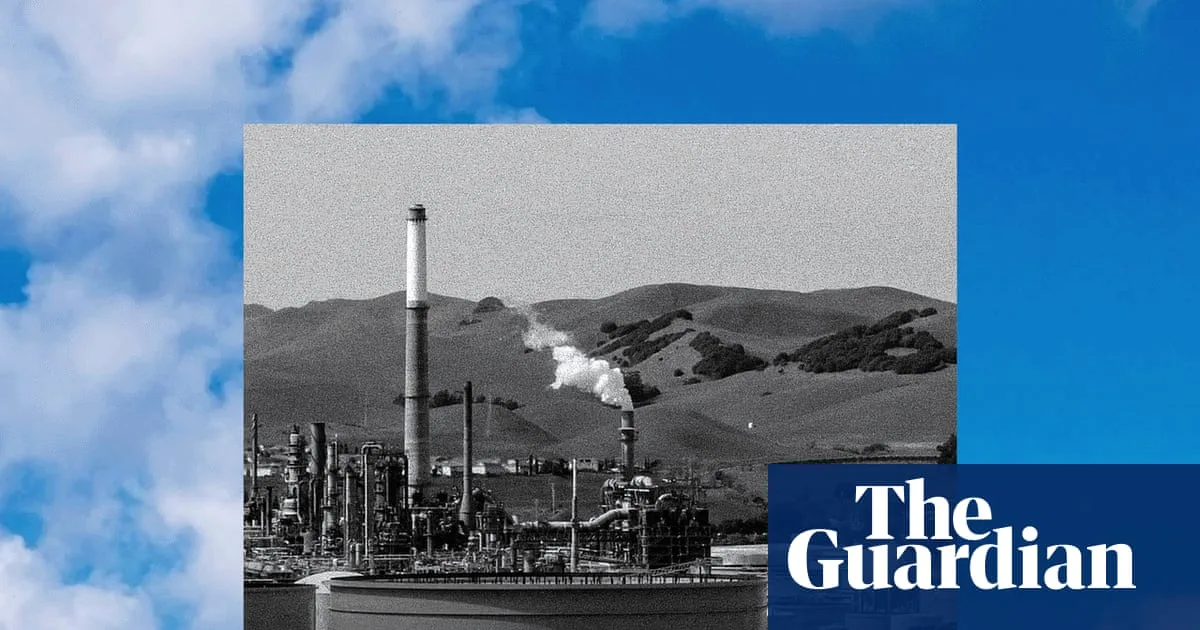
Nestled less than forty miles north of San Francisco, the picturesque city of Benicia presents the classic facade of an American small town. A white gazebo and community event signage welcome visitors to a vibrant downtown lined with restaurants, cafes, and antique shops. Yet for nearly six decades, this quaint community has lived in the shadow of a massive industrial complex—the nine-hundred-acre Valero oil refinery.

The Imposing Legacy of a Fossil Fuel Giant

Purchased by Texas-based Valero from Exxon in the year 2000, the refinery has historically dominated Benicia's economy, politics, and public health landscape. For generations, it provided reliable local tax revenue, well-paying jobs, and sustained numerous small businesses in its orbit. However, California's ambitious pivot toward clean energy and its pledge to achieve carbon neutrality by 2045 has placed such facilities on a path of decline.

In April of last year, Valero announced plans to "idle, restructure or cease" operations within twelve months, explicitly citing California's stringent regulatory environment. By January, the company confirmed it would begin winding down, permanently idling most processing units by April and laying off approximately two hundred and forty employees—nearly seventy percent of its local workforce.

This decision effectively seals Benicia's fate as a post-refinery city, transforming it into an involuntary test case for whether a community long defined by the oil and gas industry can successfully reinvent its economic and social foundations.

Economic Shockwaves and Community Division

The closure announcement sent tremors through this relatively affluent community of twenty-eight thousand residents in Solano County. As Benicia's largest employer and the source of nearly twenty percent of its tax revenue, Valero's departure threatens catastrophic financial instability. The company has also been a cornerstone funder for local sports teams, community programs, and non-profit organisations.

Local perspectives on this transition are deeply divided. Some civic leaders, like City Council member Kari Birdseye, view Valero's exit as a generational opportunity to dramatically increase housing and attract cleaner commercial enterprises. "I would like Benicia to be the poster child for a just transition for other refinery cities," Birdseye stated.

Conversely, many business owners and plant workers express profound pessimism. Chantel Sprankle, proprietor of Sprankle's Deli, a downtown mainstay, reported significant customer loss as refinery workers and executives begin leaving town. "Valero leaving is the worst possible thing that could happen to our little community," she said emotionally, blaming California's climate policies for hastening the company's departure.

Broader Implications for California's Energy Transition

Benicia's predicament highlights a critical challenge in California's goal to transition to a clean fuel economy by 2045. While the state has reduced gasoline consumption by over fifteen percent in two decades, this decline has not matched the steep reduction in refining capacity. The Benicia plant, one of only nine remaining gasoline-producing facilities in California, processes about one hundred and forty-five thousand barrels of crude daily, accounting for nearly nine percent of the state's total production.

Fears of price spikes and fuel shortages following refinery closures have prompted even Governor Gavin Newsom—a likely presidential contender and former critic of the industry—to soften his stance. State leaders scrambled to save the facility, even considering payments up to two hundred million dollars to Valero for routine maintenance. Although unsuccessful, the governor's office later negotiated a deal for the site to operate as a fuel import and storage terminal to maintain supply stability.

Local Leadership and Development Dilemmas

Benicia Mayor Steve Young remains unconvinced by this storage terminal plan, describing it as a "lose-lose situation." He argues it would create a "tank farm" with minimal jobs and tax revenue while delaying environmental remediation and redevelopment. Young envisions transforming the prime waterfront property—with its deep-water port, rail access, and interstate proximity—into housing, retail, and recreational spaces, or potentially clean energy developments like large-scale solar or wind projects.

However, these plans remain stalled until Valero provides further details about the storage arrangement, leaving the city in limbo. "We're losing our biggest employer and our biggest taxpayer. And we simultaneously may be faced with the inability to rapidly replace them," Young lamented.

Health Impacts and a Cautionary Tale

Despite its economic benefits, the refinery has long exposed Benicia residents to serious health risks, contributing to the highest cancer and asthma rates in the county. In 2024, Valero was fined a record eighty-two million dollars for secretly exceeding toxic emissions standards for over fifteen years—a sanction many believe influenced the closure decision.

In a positive development, the Bay Area Air District recently made up to forty million dollars in grants available for Benicia's public health and economic resilience projects, with another twenty million for local non-profits. Meanwhile, the closure's impact extends to regional unions like the Plumbers and Steamfitters Local 343, which has seen member departures and diminished industrial employment opportunities.

Resident Terry Mollica, a retired attorney, acknowledges the "short-term transitional pain" but sees an opportunity to correct a poor land-use decision. "I don't think that locating a refinery immediately adjacent to a small city is a very good land-use plan," he remarked, noting the community's potential should be driven by its desirability as a place to live, not by a dominant industry.

Ultimately, Benicia's experience serves as a cautionary tale about over-reliance on a single industry, offering profound lessons for other communities navigating the complex transition away from fossil fuels.