Iranian Revolutionary Guard Releases AI-Generated War Propaganda Video
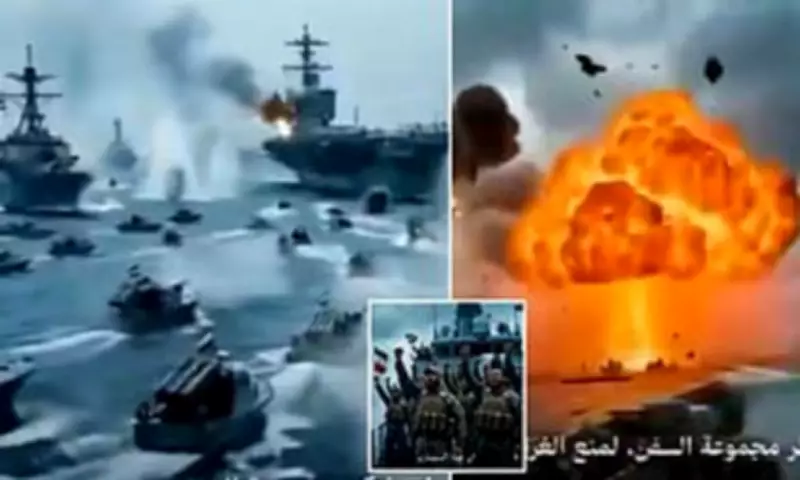
In a stark escalation of psychological warfare, Iranian state-affiliated channels have released a chilling artificial intelligence-generated video depicting the complete destruction of the United States Navy's USS Abraham Lincoln Carrier Strike Group. The two-and-a-half-minute clip, uploaded by media outlets connected to Iran's Islamic Revolutionary Guard Corps (IRGC), presents a simulated multi-pronged coordinated attack on American naval forces in the Arabian Sea.
Simulated Assault on American Naval Power
The professionally produced video begins with atmospheric scenes of American warships navigating dark waters before transitioning to Iranian military commanders scrutinizing radar displays. The simulation then escalates dramatically, showing missiles launching from Iranian coastal positions as drones, gunboats, and submarines swarm the USS Abraham Lincoln. The climax depicts the complete destruction of the nuclear-powered aircraft carrier amidst explosions and fire.
Following the simulated assault, the video shows panicked American troops fleeing for their lives while Iranian soldiers celebrate their apparent victory. Smoke and flames billow into the night sky as the propaganda piece concludes with triumphant imagery of Iranian military success against what Tehran portrays as American aggression.

Timing and Strategic Messaging
The release coincides precisely with ongoing indirect nuclear negotiations between Iran and the United States in Oman, creating what analysts describe as a calculated dual message. On one hand, the video serves as domestic propaganda for Iranian audiences during commemorations of the 47th anniversary of the Islamic Revolution. Simultaneously, it delivers a stark warning to American sailors, Gulf allies, and international observers about Tehran's military capabilities and willingness to confront perceived threats.
"This represents sophisticated psychological warfare with multiple target audiences," explained regional security analyst Dr. Evelyn Carter. "For domestic consumption, it reinforces regime strength. For international viewers, particularly American military personnel in the region, it's designed to undermine confidence and demonstrate Iranian resolve."
Broader Geopolitical Context
The provocative video emerges against a backdrop of escalating tensions between Washington and Tehran. Recent weeks have seen increased US naval activity in the region, including an incident where an American F-35 fighter jet shot down an Iranian drone operating near the USS Abraham Lincoln. President Donald Trump has repeatedly threatened military action against Iran following the regime's deadly crackdown on nationwide protests, which Iranian President Masoud Pezeshkian recently acknowledged with an unusual public apology.
Nuclear negotiations have reached an impasse as Iran's Supreme Leader Ayatollah Ali Khamenei, 86, has refused American demands to halt uranium enrichment toward weapons-grade levels. Iranian representatives abruptly cut short recent peace talks in Oman, insisting they would only discuss nuclear matters while the Trump administration seeks broader negotiations encompassing ballistic missiles and human rights concerns.
Military Posturing and Regional Implications
Last month, President Trump announced deployment of what he termed a "massive Armada" led by the USS Abraham Lincoln alongside several guided-missile destroyers toward Iranian waters. The president warned these forces stand prepared to strike with "speed and violence" if necessary. In subsequent interviews, Trump has suggested possibly sending a second aircraft carrier group to reinforce American presence in the region.
The United Nations' International Atomic Energy Agency has faced months of obstruction in attempts to inspect and verify Iran's nuclear stockpile, while Israeli Prime Minister Benjamin Netanyahu has visited Washington to advocate for the strictest possible terms in any nuclear agreement with Tehran. Meanwhile, senior Iranian security official Ali Larijani has embarked on diplomatic visits to Oman and Qatar, nations that have previously mediated negotiations between the adversaries.

Domestic Divisions and International Reactions
Within Iran, the propaganda video release occurs during continued domestic unrest. While state television broadcast images of tens of thousands participating in government-sponsored revolution anniversary celebrations, witnesses in Tehran reported hearing shouts of "Death to the dictator!" from residential areas during official fireworks displays. The regime faces pressure both from international sanctions and from citizens angered by security forces' violent suppression of protests that human rights organizations estimate have resulted in approximately 36,000 deaths.
International reactions to the AI-generated video have been mixed, with many observers dismissing it as transparent propaganda while others interpret it as a serious warning that any military confrontation could rapidly escalate into broader regional conflict. Iranian Foreign Minister Abbas Araghchi has expressed continued distrust of American intentions, referencing June negotiations that were interrupted by US attacks on Iranian nuclear facilities, while simultaneously suggesting the possibility of reaching "a better deal than Obama" regarding nuclear limitations.
The United States maintains its naval presence in the region, with the USS Abraham Lincoln positioned to pressure Iran toward negotiations while providing potential strike capability should diplomatic efforts collapse completely. Recent incidents including the downing of an Iranian drone and protection of US-flagged commercial vessels in the Strait of Hormuz demonstrate the ongoing volatility of the situation as both nations engage in increasingly public displays of military capability and resolve.