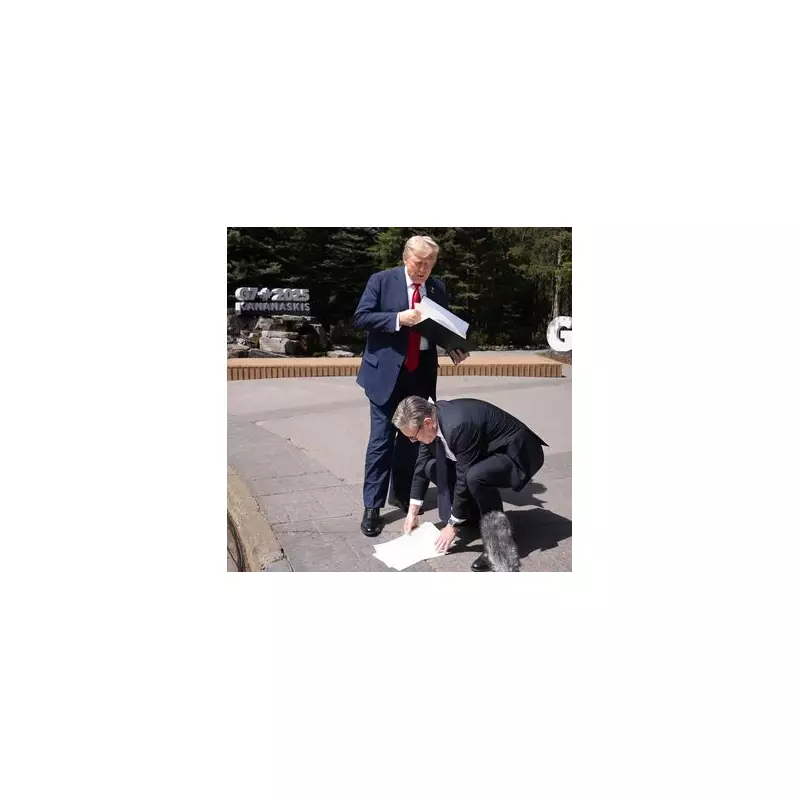
The surprisingly warm dynamic between US President Donald Trump and UK Prime Minister Keir Starmer has become one of the defining, and most unexpected, features of Trump's second term. Beyond the public displays of awkward camaraderie and gift-giving, a critical question persists: what tangible benefits does this relationship yield for the United Kingdom?
The Foundation of an Unlikely Friendship
According to Prime Minister Starmer, the pair genuinely get on famously, with a shared appreciation for 'family values' cited as common ground. This rapport has positioned Starmer as a de facto 'Trump whisperer' in the eyes of many European allies, who frequently seek his intercession with the volatile American leader.
This role was evident in recent efforts by NATO and Denmark to dissuade President Trump from his designs on Greenland. Starmer acted as a conduit, relaying messages from NATO's Mark Rutte and Danish PM Mette Frederiksen directly to the Oval Office. Ukrainian President Volodymyr Zelensky has also notably acknowledged Starmer's perceived, if temporary, ability to steer Trump's thinking.

Highs, Lows, and Fleeting Victories
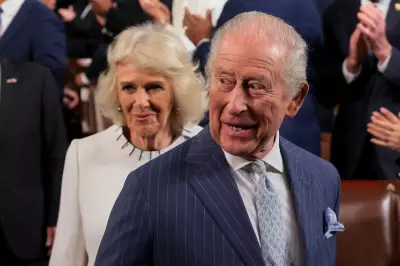
The relationship's first major test came during their initial Oval Office meeting in February 2025. A visibly tense Starmer played a masterstroke by extending an invitation for a second state visit from King Charles, which visibly delighted Trump and broke the ice. The meeting concluded with Trump praising Starmer as a 'tough negotiator'.
However, the fragility of this goodwill was exposed almost immediately. Any perceived UK success on security guarantees for Ukraine evaporated the next day when Trump publicly attacked President Zelensky on live television. This pattern of fleeting accord has become a recurring theme.
A later phone call, which interrupted Starmer watching an Arsenal match, yielded a promise of a trade deal. The resulting 'Economic Prosperity Deal', announced with fanfare, came with a blanket 10% tariff floor and limited exemptions. Hopes for further carve-outs have since faded, and UK steel exports still face 25% tariffs.
The Limits of Influence and a Relationship Tested
President Trump's unprecedented state visit in September 2025, featuring tea with the King and a Churchill-themed charm offensive, culminated in a Tech Prosperity Deal. This agreement lasted less than three months before the US suspended it, complaining the UK was not lowering trade barriers fast enough.
Starmer's influence on matters concerning Russia and Ukraine remains unproven. Trump continues to oscillate between advice from Starmer, Zelensky, and his own instincts. Furthermore, the Prime Minister was conspicuously not consulted before Trump's invasion of Venezuela and the capture of its leader. While Starmer expressed no sympathy for the Maduro regime, the days of silence from Washington clearly stung.
The Greenland episode further underscores the limits of this special rapport. Despite Starmer's earnest diplomacy, conveying that 'the future of Greenland is for Greenland and Denmark to decide', Trump has instead threatened crippling tariffs on any nation defying his ambitions for the territory.
As President Trump's focus turns overwhelmingly to the Americas and his actions grow more unpredictable—with threats against Colombia and others—the UK is left as a bystander, assured of no advance warning. Beyond the forced golf jokes, royal banquets, and smiles exchanged while domestic turmoil unfolds in the US, Britain must reckon with what this bromance truly delivers. Is the relationship genuinely special, or merely a superficial performance that yields little of substance for the UK?