India has dramatically reduced its financial assistance to Bangladesh by half in its latest federal budget, a clear reflection of the deepening diplomatic tensions between the two neighbouring South Asian nations. The 2026–27 budget allocates just Rs600 million (£4.76 million) to Bangladesh, a sharp decline from the Rs1.2 billion (£9.55 million) earmarked in the previous fiscal year.
Diplomatic Relations Deteriorate Amid Political Shifts
The significant funding cut coincides with a period of strained relations between New Delhi and Dhaka, which have worsened following political changes in Bangladesh during 2024. Reports of violence against minority communities, particularly Hindus, alongside a noticeable reorientation of Bangladesh's foreign policy towards Pakistan, have contributed to the diplomatic chill.
India's Ministry of External Affairs (MEA) has informed the upper house of parliament that it "continues to monitor" reports of attacks on minorities in Bangladesh, including assaults on homes, businesses, property, and places of worship. Minister of State for External Affairs, Kirti Vardhan Singh, stated that India has consistently raised concerns about the safety and security of minorities with Bangladeshi authorities at both political and diplomatic levels on multiple occasions.

Concerns Over Minority Safety and Foreign Policy Shifts
The MEA has also criticised what it described as a "troubling tendency" by Bangladesh's interim administration to attribute such attacks to personal rivalries or political disputes. The ministry warned that this approach "only emboldens the extremists and the perpetrators of such crimes, and deepens the sense of fear and insecurity among the minorities."
Budget documents reveal that while Rs1.2 billion was originally allocated for Bangladesh in 2025-26, revised estimates indicated that only about Rs340 million was likely to be spent. For the 2026-27 period, the allocation has been formally set at the reduced figure of Rs600 million.
Broader Changes in India's Foreign Aid Strategy
The budget adjustments extend beyond Bangladesh, reflecting wider shifts in India's overseas development assistance priorities. Notably, no funds have been allocated for Iran's Chabahar port project, despite India being a major development partner. The allocation, revised to Rs4 billion (£38 million) for 2025–26, was cut to zero for 2026–27 following fresh US economic sanctions on Iran.
A six-month exemption from these sanctions, granted by Washington, is scheduled to expire on 26 April, further complicating the strategic project.
Regional Aid Recipients See Varied Adjustments
Bhutan remains the largest recipient of Indian foreign aid, receiving ₹2,288 crore in 2026–27, an increase from Rs21.5 billion (£205 million) the previous year. Nepal has been allocated Rs8 billion (£762 million), while allocations to Sri Lanka and Nepal have each risen by Rs1 billion (£9.52 million).
Assistance to Afghanistan increased by Rs500 million (£4.76 million) to Rs1.5 billion (£14.3 million) as India continues its cautious engagement with the Taliban-led administration, including the reopening of its embassy in Kabul.
Conversely, aid to the Maldives was reduced by Rs500 million (£4.76 million) to Rs5 billion (£47.6 million). Mauritius saw a 10 per cent increase to Rs5.5 billion (£52.4 million), while Myanmar's allocation was cut by approximately 14 per cent to Rs3 billion (£28.6 million) amid ongoing political instability.
Assistance to African countries remained steady at Rs2.25 billion (£21.4 million), funding for Latin America was doubled to Rs1.2 billion (£11.4 million), and allocations for Eurasian countries dipped slightly to Rs380 million (£3.62 million).
Overall Budget Focus and Diplomatic Context
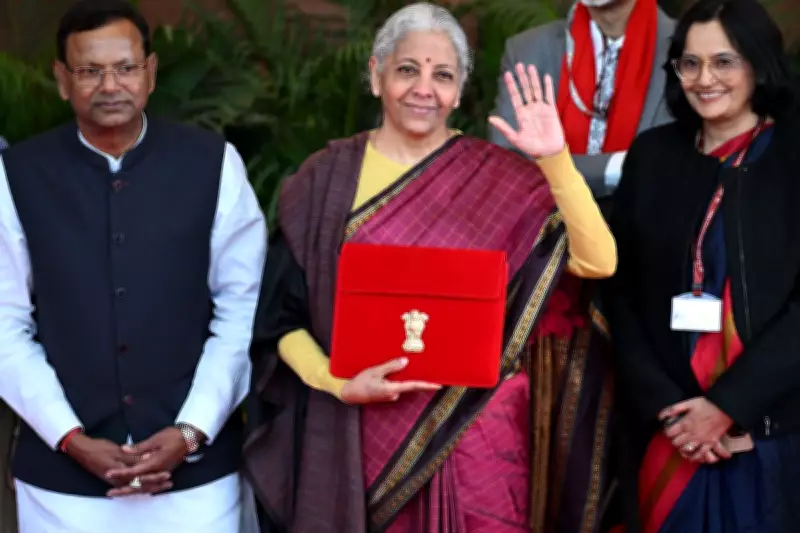
Overall, the government has earmarked Rs56.86 billion (£541.5 million) for 'Aid to Countries' in 2026-27, representing a modest increase on last year's figure but remaining below the revised estimates for 2025-26. Finance Minister Nirmala Sitharaman presented the budget in parliament, her ninth, with a pronounced focus on manufacturing growth and job creation within India.

The diplomatic backdrop to the Bangladesh aid cut is multifaceted. India-Bangladesh ties have continued to weaken, with New Delhi restricting tourist visas for Bangladeshi citizens and withdrawing families of Indian diplomats, citing security concerns ahead of elections held on 12 February.
During this period, Bangladesh has pursued closer engagement with Pakistan, marking a significant shift given the historical legacy of the 1971 war that led to Bangladesh's independence. In late 2024, Bangladesh's Chief Adviser, Muhammad Yunus, met Pakistan's Prime Minister Shehbaz Sharif on the sidelines of an international summit in Egypt, where calls were made for the resolution of outstanding issues linked to the 1971 conflict.
Subsequent agreements between Bangladesh and Pakistan have included visa-free travel for holders of diplomatic and official passports, the revival of their Joint Economic Commission—last convened in 2005—and the creation of a new Trade and Investment Commission. Direct cargo shipping has resumed, and non-stop air links have been restored after a 14-year hiatus, with a flight from Dhaka landing in Karachi and Pakistani carriers receiving clearance to begin regular services.