
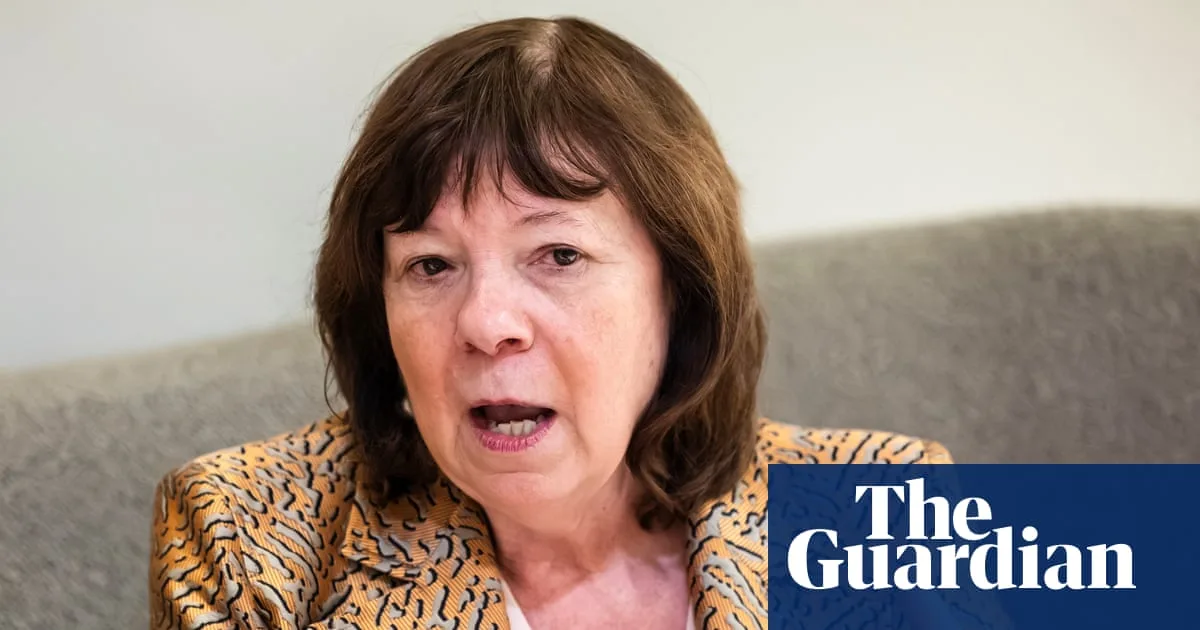
Two judges at the International Criminal Court have described the personal impact of US sanctions imposed by the Trump administration, including the cancellation of credit cards and closure of Google and Amazon accounts. Canadian judge Kimberly Prost said the measures, which also affect travel and banking, amount to a “direct and flagrant attack” on the court’s independence.
Prost, who has served as an ICC judge for years, said she was shocked to find herself on the same sanctions list as terrorists and organised crime figures. The sanctions, introduced by executive order last year, target 11 court officials, including the chief prosecutor and eight judges, in response to ICC investigations into US and Israeli officials. Neither country is a signatory to the Rome Statute.
Peruvian judge Luz del Carmen Ibáñez Carranza said her bank in the Netherlands cancelled her credit card despite not being American, citing “over-compliance” with US sanctions. She noted that the measures have also affected family members, including her daughter, whose US visa and Google accounts were revoked. “This is pure retaliation for something she hasn’t done,” Ibáñez Carranza said.
Both judges vowed that the sanctions would not hinder their work. Prost described the practical difficulties of daily life, from booking flights to using online services, as “such a challenge”. She added: “We want people to appreciate how wrong this is.”
Seventy-nine countries, including Canada, Brazil and Denmark, have issued a joint letter condemning the sanctions, warning they “increase the risk of impunity for the most serious crimes”. The ICC judges urged the international community to defend the court’s role in delivering justice for victims of war crimes and genocide.




