The year 2025 witnessed a series of extraordinary diplomatic encounters as global figures engaged with US President Donald Trump, with many resorting to unusually effusive praise and theatrical gestures in a bid to secure his goodwill.
The 'Daddy' Diplomacy and NATO Praise
One of the most striking moments occurred during a NATO pre-summit press briefing in The Hague. After Trump likened Iran-Israel tensions to "like children in a schoolyard," NATO Secretary-General Mark Rutte made a remark that captured global attention. Rutte stated, "Daddy has to sometimes use strong language," directly referring to Trump.
President Trump appeared to welcome the moniker, later commenting, "I think he likes me... He did it very affectionately. Hey Daddy. You're my Daddy." The White House's social media team amplified the moment, sharing a clip from the Dutch visit set to Usher's song 'Hey Daddy'.

Rutte's flattery extended beyond this single comment. Discussing the Russia-Ukraine conflict, he told reporters in January 2025 that Trump was the only leader who could originally break the deadlock, calling him "the most powerful leader in the world."
State Visits and Slogan Adaptations
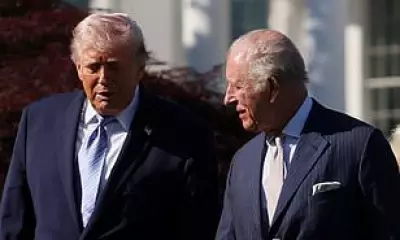
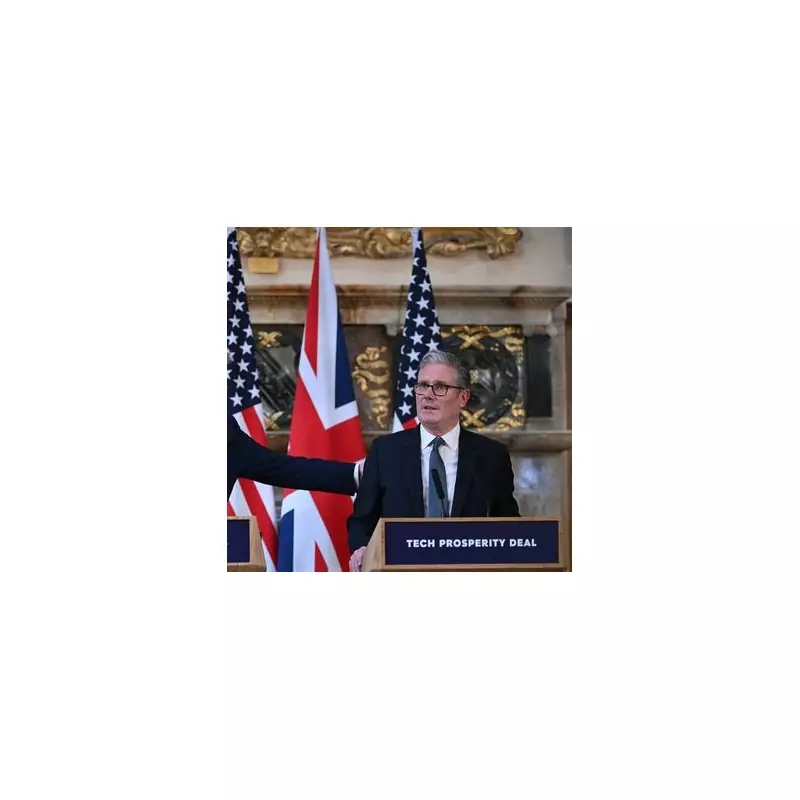
In February 2025, UK Prime Minister Sir Keir Starmer personally delivered a formal invitation from King Charles III for an exceptionally rare second state visit to the US President. Starmer described the invitation as "really special" and "unprecedented," symbolising the strength of the UK-US relationship. Trump responded by calling the UK a "fantastic country" and stating it would be "our honour to be there."
Meanwhile, Italy's Prime Minister Giorgia Meloni, during a visit to the United States, declared, "Together we have been defending the freedom of Ukraine. Together we can build a just and lasting peace. We support your efforts, Donald." She went further by adapting Trump's famous campaign slogan, stating, "The goal for me is to Make the West Great Again. I think we can do it together."
Gifts and Personal Compliments
Perhaps the most tangible gift of flattery came from Venezuelan opposition figure and Nobel Peace Prize laureate María Corina Machado. She presented Trump with her actual Nobel medal during a White House meeting following American operations in South America. Trump took to social media to thank her for "her Nobel Peace Prize for the work I have done," calling it a "wonderful gesture of mutual respect."
A notable pattern in Trump's interactions involved comments on appearance. He praised Ukrainian President Volodymyr Zelenskyy for wearing a black suit in August 2025, saying "I love it." He complimented Finland's President Alexander Stubb, saying, "You look better than I have ever seen you look." He even joked with Germany's Friedrich Merz about his tan, asking, "Where did you get that tan? I want to get that tan."
Not all interactions were purely sycophantic. Canadian Prime Minister Mark Carney in May 2025 described Trump as "a transformational president" but was emphatic in declaring Canada is "not for sale, won't be for sale ever."
The Strategy Behind the Flattery
Analysts suggest this behaviour is a calculated diplomatic strategy. Ivo Daalder, a senior fellow at Harvard's Belfer Center and former US ambassador to NATO under Obama, told NPR that stroking Trump's ego could be key to winning his favour.
"Flattery and saying he is the best, that he is the only person who could have achieved this outcome at this summit, is meant to first and foremost keep him on side," Daalder explained. He added that the US president likely wants to be seen as a winner and a uniquely important person in international affairs.
The events of 2025 demonstrate that traditional diplomatic protocol has been supplemented, and at times supplanted, by a more personal and publicly performative style of engagement when dealing with the Trump administration, with world leaders adopting novel tactics to navigate this political landscape.