The Resurgence of Hard-Boiled Detectives in 2026
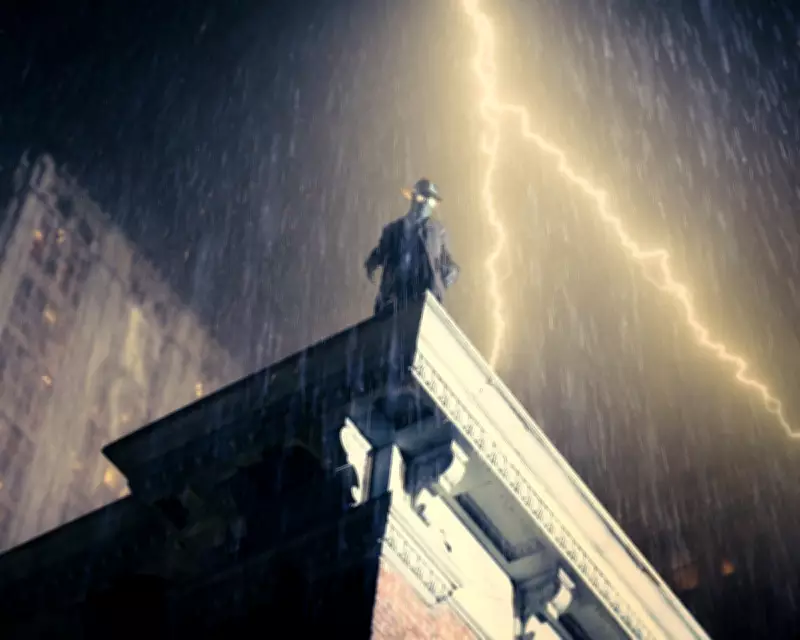
Hard-boiled detectives are making a powerful comeback in 2026, with fedoras, cigarettes, and gritty narratives taking centre stage once again. This revival is led by Nicolas Cage in Prime Video's Spider-Noir, a shadowy adaptation of Spider-Man set to stream in black-and-white from May 27. The series promises classic noir elements: fast-paced dialogue, femme fatales, and a heavy-drinking detective, albeit one equipped with web shooters instead of a revolver.
A Wave of Noir Across Streaming Platforms
This year, multiple streaming services are embracing the noir genre. Apple TV is adapting Philip Kerr's Berlin Noir series, starring Colin Firth, while NBC has a pilot featuring Jake Johnson as a cynical sleuth. Additionally, Brad Bird's animated noir, Ray Gunn, is finally arriving on Netflix after nearly three decades in development. This surge highlights a broader trend in entertainment, reflecting a renewed appetite for dark, morally ambiguous stories.
Historical Cycles and Societal Strain
Experts argue that hard-boiled fiction thrives during periods of social upheaval. Charles Ardai, co-founder of Hard Case Crime, notes that the genre emerged in the pulp magazines of the 1920s and 1930s as a reaction to more decorous British mysteries. "It's no coincidence that these characters re-emerge when the world is going to hell," Ardai says, pointing to historical examples like the post-World War II era and the Watergate scandal, which saw noir flourish in films such as Chinatown and The Long Goodbye.

In 2026, global events like the war in Ukraine, political turmoil, and economic uncertainty have created a perfect storm for noir's return. Author Jonathan Lethem, whose novel The Feral Detective was described as a political allegory for a divided nation, explains that the hard-boiled detective archetype, shaped by postwar trauma, remains a versatile figure for processing contemporary anxieties.
Globalisation and Cultural Adaptation
Bran Nicol, a professor at the University of Surrey, observes that noir has become a global blueprint, with examples like Nordic noir and true crime gaining widespread popularity. "Our fears are increasingly globalised," Nicol states, citing the Iran war and the Epstein files as modern noir themes. This global reach allows the genre to adapt across cultures, offering a cathartic outlet for shared anxieties.
Legal and Emotional Drivers
The entry of Dashiell Hammett's The Maltese Falcon into the public domain has sparked new stories, such as Return of the Maltese Falcon. While Ardai downplays the immediate impact, he notes that estates may rush to publish authorised sequels before characters like Perry Mason and Philip Marlowe become freely available. However, the real appeal lies in emotion: noir provides recognition rather than escape, allowing audiences to wallow in stories that mirror a chaotic world.
As hard-boiled detectives sleuth with renewed vigour in 2026, they serve as a barometer for societal stress, proving that this genre remains a timeless tool for grappling with uncertainty.