Guatemala's political landscape is embroiled in a significant crisis as the country's president-elect, Bernardo Arévalo, finds himself and his political movement under direct legal attack from state prosecutors. This comes despite his decisive victory in the August run-off election.
A President-Elect Under Fire
The Public Ministry, led by Attorney General Consuelo Porras, has launched proceedings that seek to suspend the political party of Mr. Arévalo, the Movimiento Semilla (Seed Movement). Prosecutors allege irregularities in the party's registration process dating back several years, a move widely condemned by international observers as politically motivated.
In a dramatic development, the justice system ordered a raid on the offices of the Supreme Electoral Tribunal (TSE) to seize results from the election. This action was taken after the TSE had already certified the election results, confirming Arévalo's win. The president-elect has strongly denounced these moves, labelling them an attempted "technical coup d'état" designed to prevent his inauguration scheduled for January 14th, 2024.

International Condemnation and Domestic Standoff
The situation has drawn severe criticism from the international community. The Organization of American States (OAS), the European Union, and the United States have all expressed deep concern. The US government has taken concrete steps, imposing visa restrictions on nearly 300 Guatemalan individuals, including private sector representatives, for allegedly undermining democracy and the rule of law.
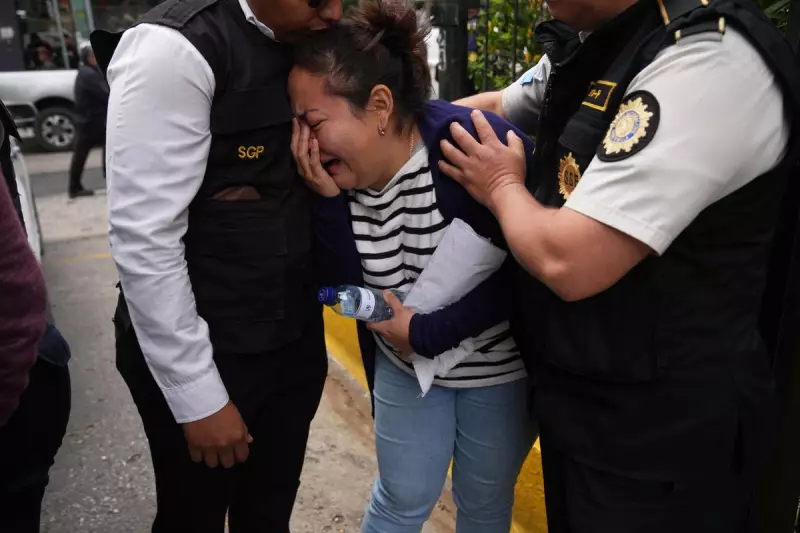
Domestically, the crisis has spurred widespread protests. Indigenous groups, students, and other citizens have maintained blockades on key roads across Guatemala for weeks, demanding the resignation of Attorney General Porras and other officials they accuse of orchestrating the persecution against Arévalo and his party.
The Road to Inauguration Remains Uncertain
While the legal machinations continue, the constitutional process has not been fully halted. The newly elected Congress, which includes members from Arévalo's Semilla party, is set to be inaugurated on the same January 14th date. However, the political turmoil casts a long shadow over the transition of power.
The core of the prosecutors' case hinges on claims that Semilla gathered the required signatures for its registration improperly. The party and its supporters vehemently reject this, framing it as a last-ditch effort by a corrupt establishment to retain control. The standoff presents a critical test for Guatemalan democracy, balancing legal proceedings against the clear will of the electorate expressed at the ballot box.
All eyes are now on January 14th, to see whether the democratic transition will proceed or if the ongoing political prosecution will succeed in derailing it.