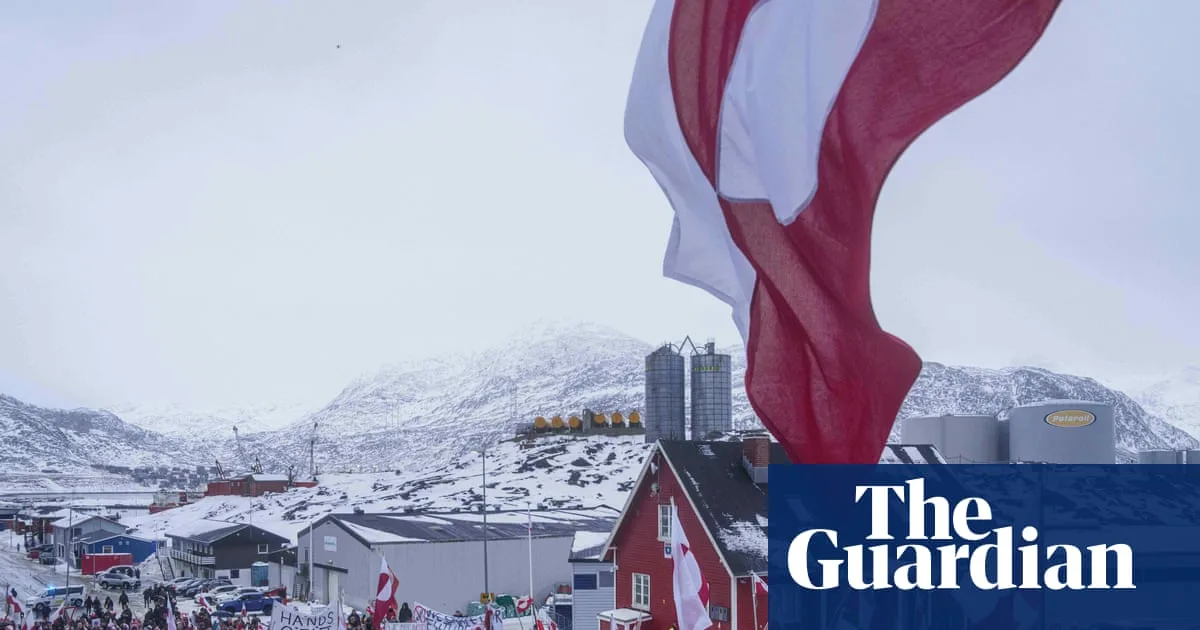
Protests erupted outside the US consulate in Nuuk, Greenland, on 17 January 2026, as local citizens demonstrated against President Trump's aggressive attempts to acquire the territory. The scene, captured by photographer Alessandro Rampazzo, symbolises a fracture in transatlantic relations that now demands a drastic British response.
A Trade War, Not an Invasion
The immediate threat of a military invasion, which last week prompted Denmark to deploy troops to Greenland, has receded. Instead, the White House has pivoted to launching a severe trade war. This economic offensive is designed to cripple European industries and break political will, directly undermining Britain's fragile economic recovery just months after signing a trade deal intended to shield it from such arbitrary actions.
For Prime Minister Keir Starmer, who has diligently avoided choosing between Europe and the US, the moment of reckoning has arrived. His strategy of swallowing personal and public discomfort to maintain the 'special relationship' has failed. Britain's recent participation in a US-led military operation against a Russian tanker did nothing to protect it from presidential wrath when it later sent a single officer to Greenland in symbolic support of NATO ally Denmark.
The Death of the Old Alliance
The clear message is that the traditional Western alliance, as understood for decades, is effectively dead. Under President Trump, the United States can no longer be reliably considered an ally. The president operates on a binary principle: you are either fully compliant or you are an adversary. Attempting to 'ride two horses' is impossible when one is, as the situation proves, a 'mad bucking bronco'.
Europe's initial reaction will be to seek a negotiated compromise to save face, protect jobs, and crucially, preserve US security guarantees for Ukraine. The Danish foreign minister is due in Downing Street shortly to discuss options. While no deal with this administration is trustworthy, the process of negotiation buys valuable time—especially with a 79-year-old president facing declining domestic popularity and potential constraints from the upcoming midterm elections.
The Urgent Need for an Escape Plan
In the longer term, however, the UK and Europe must urgently formulate an escape plan. The dynamic mirrors that of an abusive relationship: allies tiptoe around the US, avoiding triggers, yet the anger always finds a new excuse. The only sustainable solution is to plan a safe exit.
This exit requires careful strategy. Smaller democracies still rely on the US for defence, economic prosperity, and as a bulwark against other malign powers. They must construct alternative political, military, and trade structures before burning down the old ones. For Britain, this could mean finally accepting that Brexit died with the old world order and forging a new, deep alliance with European neighbours—likely stopping short of full EU re-entry, which would take a decade.
The most challenging aspect will be the monumental shift in spending it necessitates. A nation with public services on their knees must now contemplate investing billions more in defence at the expense of everything else—a politically toxic choice no prime minister will make until absolutely forced.
Complicating everything is the need to separate the president from the country. Trump will not last forever, and a conclusive, permanent breach with the US makes little sense while there is hope of a more reasonable successor in 2028. The epoch-defining question for Western governments is not about the US under Trump, but whether America itself is lost as a partner for a generation.
Until that is resolved, the only viable strategy is to play for time. But the planning for an escape must begin now. The protests in Nuuk are not just about Greenland; they are a stark warning that the rules of the game have fundamentally changed.




