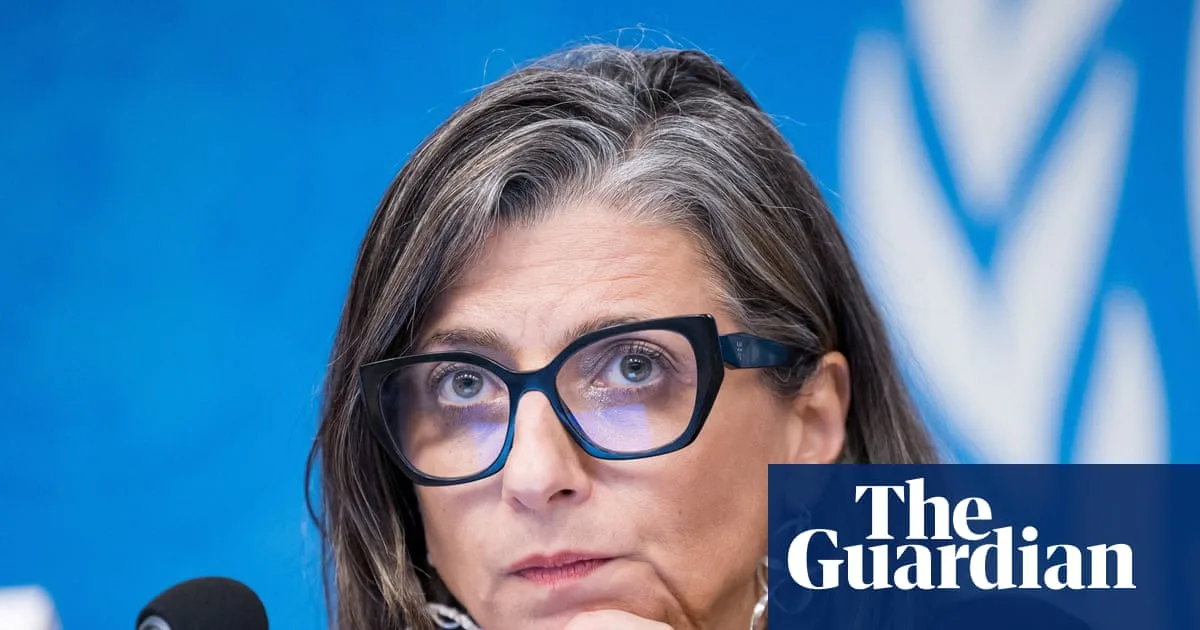
UN Investigator's Family Sues Trump Over Sanctions for Israel Criticism
Family Sues Trump Over Sanctions for UN Investigator

Family of UN Human Rights Investigator Files Lawsuit Against Trump Administration Over Sanctions

The family of independent United Nations investigator Francesca Albanese has initiated legal action against the Trump administration, challenging U.S. sanctions imposed on her last year due to her criticism of Israel's policies during the conflict with Hamas in Gaza. The lawsuit, filed on Wednesday in the U.S. District Court in Washington, argues that these penalties infringe upon the First Amendment rights of free speech and expression.

Legal Arguments and Family Impact

In the court documents, Albanese's husband and minor child detailed the severe consequences the sanctions have inflicted on their family's daily life and professional activities. Notably, the sanctions have hindered their ability to access their home in the nation's capital, Washington, D.C., causing significant personal and financial strain. The lawsuit emphasizes that Albanese's expression of her views regarding the Israeli-Palestinian conflict and the work of the International Criminal Court (ICC) constitutes core First Amendment activity. The ICC has previously issued arrest warrants against Israeli officials, including Prime Minister Benjamin Netanyahu, over allegations of war crimes.

The filing states, "At its heart, this case concerns whether Defendants can sanction a person — ruining their life and the lives of their loved ones, including their citizen daughter — because Defendants disagree with their recommendations or fear their persuasiveness." The White House and State Department have not provided immediate comments in response to requests for clarification on the matter.

Wide Pickt banner — collaborative shopping lists app for Telegram, phone mockup with grocery list

Background on Francesca Albanese and Her Role

Francesca Albanese serves as the U.N. special rapporteur for the West Bank and Gaza, appointed by the 47-member U.N. Human Rights Council in Geneva. Her mandate involves investigating human rights abuses in the Palestinian territories, and she has been vocal in describing Israel's actions in Gaza as "genocide" against Palestinians. Both Israel and the United States, which provides substantial military support to its ally, have vehemently denied these accusations. Prior to imposing sanctions in July, Washington criticized what it termed Albanese's "campaign of political and economic warfare" against the U.S. and Israel, following an unsuccessful pressure campaign to have her removed from her U.N. position.

Personal and Professional Repercussions

In an interview with The Associated Press shortly after the sanctions were enacted, Albanese, an Italian human rights lawyer, reflected on the personal and professional impact. She noted, "My daughter is American. I've been living in the U.S. and I have some assets there. So of course, it's going to harm me. What can I do? I did everything I did in good faith, and knowing that, my commitment to justice is more important than personal interests." Despite these challenges, the sanctions have not deterred Albanese from continuing her work. She has persisted in issuing critical reports on Israel's activities, including one focusing on what she described as the country's "genocidal economy" in Palestinian territories.

International Reactions and Ongoing Conflict

Israeli Ambassador to the United Nations Danny Danon responded to one of her reports last year, asserting, "She has taken the word 'genocide,' born from the ashes of the Holocaust, and turned it into a weapon — not to defend the victims of history, but to attack them." Meanwhile, the conflict in Gaza remains tense, with Israeli strikes repeatedly disrupting a U.S.-brokered ceasefire deal from October 10. While there has been some progress, such as the reopening of the Rafah crossing, disagreements persist between Israel and Hamas over the timeline and scope of Israel's withdrawal from Gaza and the disarmament of the militant group.

Role of Special Rapporteurs and International Justice

Although special rapporteurs like Albanese do not formally represent the U.N. and lack official authority, their reports can amplify pressure on nations and inform prosecutors at the ICC and other venues handling transnational justice cases. This underscores the broader implications of such legal battles for international human rights advocacy and diplomatic relations.

Pickt after-article banner — collaborative shopping lists app with family illustration




