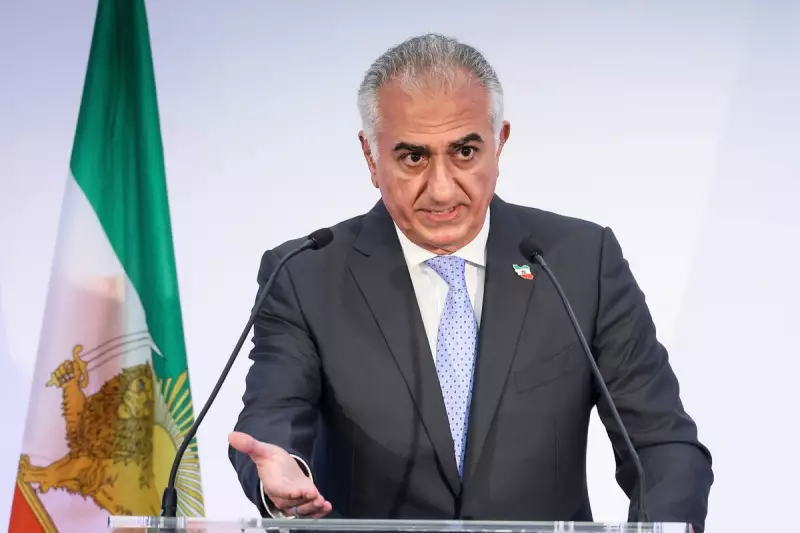
In a significant interview, the exiled heir to Iran's former monarchy has laid out a detailed vision for the country's future, emphasising a widespread public desire for freedom and systemic reform.
Pahlavi's Call for a New Iran
Reza Pahlavi, the eldest son of Iran's last Shah, Mohammad Reza Pahlavi, spoke candidly with Independent Persian on Friday 16 January 2026. His comments come amid a backdrop of sustained anti-government protests, where his name has reportedly been chanted by demonstrators in major cities like Tehran and Mashhad.
Pahlavi articulated a clear path forward for a nation he describes as being in a "deep pit" due to the current regime's policies. He stressed that rebuilding requires a methodical approach centred on three core pillars.

A Three-Pillar Plan for Recovery
"The process of rebuilding the country and climbing out of the deep pit this regime has unfortunately created – and the dire living conditions people face – requires a sound approach," Pahlavi stated. His proposed blueprint for Iran's future hinges on:
- A healthy economy to stabilise the nation and improve livelihoods.
- Full transparency in governance to rebuild public trust.
- The involvement of competent professionals irrespective of political background to lead the recovery.
The Urgency for Regime Change
When pressed on the timeline for potential regime change in Iran, Pahlavi's response was unequivocal and reflected the sentiment he attributes to the Iranian people. "The sooner, the better," he asserted. "People want to be free as soon as possible."
This statement directly addresses the core of the protest movements, framing the public's struggle not just as political dissent but as a fundamental quest for liberty. The interview positions Pahlavi as a figure seeking to channel this widespread discontent into a coherent plan for a post-theocratic state.
The discussion with Independent Persian underscores the continuing relevance of the exiled prince in Iranian opposition discourse. By focusing on pragmatic governance, economic repair, and the urgent public demand for freedom, Pahlavi's vision offers a contrasting future to the current Islamic Republic's rule.