Iran's exiled crown prince has issued a desperate plea for international intervention, accusing the regime in Tehran of perpetrating an ongoing 'slaughter' of its own citizens. Reza Pahlavi's stark warning comes amid a significant military move by the United States, signalling a dangerous escalation in tensions.
A Dire Plea from Exile
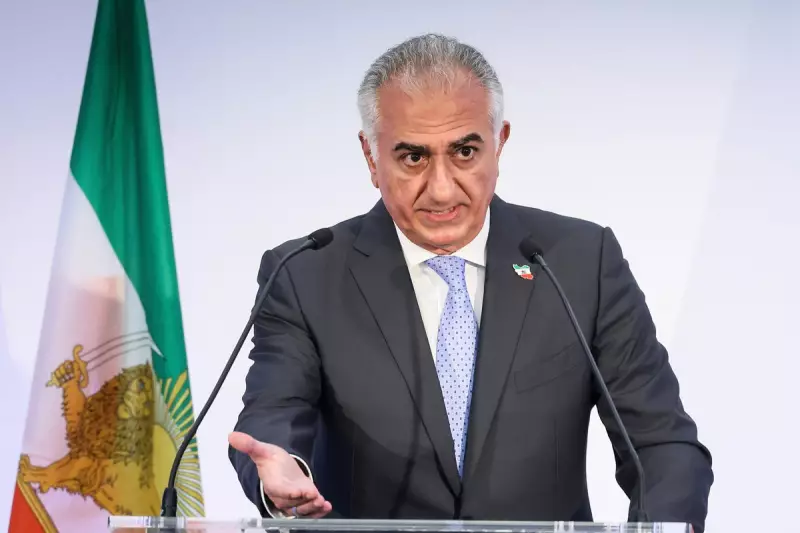
In a fresh appeal on Friday 16 January 2026, Reza Pahlavi, the son of Iran's last shah, presented horrifying statistics to highlight the brutality of the government's crackdown. He stated that the Islamic Republic is killing an Iranian protester 'every 14 seconds'. Pahlavi urgently called for global support, predicting the regime's imminent collapse and revealing that he believes 12,000 Iranians have been killed since the protests began.
The unrest, which originated from widespread economic discontent, has reportedly led to a death toll exceeding 2,500 from the recent crackdown alone. "The slaughter of protesters has not stopped," Pahlavi declared, framing the situation as a humanitarian crisis requiring immediate action from world powers.

US Military Posture and Diplomatic Warnings
The international response has taken a concrete military form. The United States has deployed the nuclear-powered USS Abraham Lincoln aircraft carrier to the Middle East, a powerful symbol of force clearly directed at Tehran. This deployment underscores the severe deterioration in relations and the potential for broader conflict.
Former US President Donald Trump issued a stark warning to the Iranian leadership, threatening "grave consequences" for any further bloodshed. While the Trump administration reportedly received assurances that some scheduled executions were halted, it maintained that all options remain on the table. This hardline stance places immense pressure on the Iranian regime amid the domestic turmoil.
Information Blackout and Sustained Unrest
Inside Iran, the regime's strategy to quell dissent has relied heavily on severing communication lines. A sweeping internet and phone blackout imposed by the authorities has largely suppressed the ability to organise widespread protests. This digital siege has made verifying events on the ground exceptionally difficult for outside observers and for Iranians trying to share information.
Despite this suppression, a heavy military and security presence remains visible across the country. Isolated incidents of unrest continue to be reported, indicating that the underlying grievances fueling the protests are far from resolved. The combination of physical force and digital censorship presents a formidable challenge for the protest movement, even as its exiled figurehead calls for "urgent help" from abroad.
The situation presents a critical test for international diplomacy, balancing calls for humanitarian intervention against the risks of a direct confrontation with a regime that appears to be fighting for its survival.